
Your gut is home to over 100 trillion microorganisms, ten times more than the number of cells in your body. This invisible ecosystem, called the gut microbiota , influences a significant part of your health: digestion, immunity, mood, stress management, and even sleep quality. Understanding how it works, what disrupts it, and how to protect it is one of the keys to good overall and lasting health.
What is the gut microbiota?
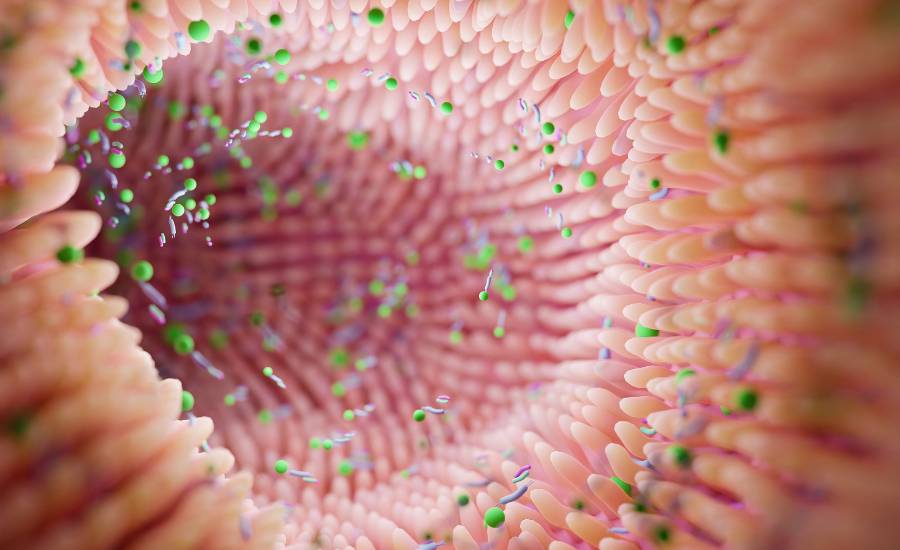
The term "microbiota" refers to all the microorganisms—bacteria, viruses, fungi, yeasts, and parasites—that colonize a given environment. The gut microbiota , also called gut flora, is the most studied and most densely populated in the human body. It resides primarily in the small intestine and colon and is now recognized by the scientific community as an organ in its own right, given its extensive influence on all bodily functions.
The microbiota begins to form at birth, when the infant comes into contact with the first maternal bacteria, and continues to diversify throughout childhood. As development progresses, the immune system learns to distinguish harmless microorganisms from pathogens, and a stable microbial balance is eventually established. Once this balance is reached, the composition of the microbiota remains relatively stable, but it is not immune to disruption.
What is the role of the gut microbiota in the body?
The gut microbiota performs functions that go far beyond simple digestion. It participates in the fermentation of dietary fiber and the production of short-chain fatty acids (SCFAs), including butyrate, a compound essential for the integrity of the intestinal lining. It synthesizes certain vitamins (notably B12 and K2) and facilitates the absorption of nutrients into the bloodstream.
Its role in immunity is equally fundamental. Beneficial bacteria form a protective barrier along the digestive tract, preventing pathogens from taking hold. They do this by occupying space, monopolizing available nutrients, and secreting bactericidal substances that neutralize harmful microorganisms. A diverse and balanced microbiota is therefore synonymous with a stronger immune system.
More recently, research has highlighted the importance of the gut-brain axis: the microbiota constantly communicates with the central nervous system via the vagus nerve and influences the production of neurotransmitters such as serotonin, 90% of which is synthesized in the gut. An imbalanced microbiota can therefore have direct repercussions on mood, anxiety, and stress resistance.
What factors disrupt the gut microbiota?
Intestinal dysbiosis occurs when the balance of the gut microbiota is disrupted, either by a reduction in the number of beneficial bacteria or by the proliferation of pathogenic strains. This situation can result from several everyday factors, often cumulative.
Diet is the primary factor. A diet low in fiber and high in ultra-processed foods deprives beneficial bacteria of their preferred nutrients, reducing their diversity and vitality. Excess sugar is particularly problematic: it promotes the proliferation of fungi and pro-inflammatory bacteria at the expense of protective strains, gradually degrading the quality of the gut flora.
Antibiotics are another major factor contributing to this imbalance. While essential in treating certain infections, they don't distinguish between beneficial and harmful bacteria: they eliminate both equally. The microbiota can usually recover within a few weeks after a single course of antibiotics, but prolonged or repeated treatments can leave lasting effects on microbial diversity.
Finally, chronic stress affects the gut microbiota via the gut-brain axis: it promotes intestinal inflammation, increases mucosal permeability, and stimulates the virulence of certain pathogenic bacteria. Conversely, a depleted microbiota makes the body more vulnerable to stress—a vicious cycle well-documented by neuroscience.
How to protect and rebalance your gut microbiota?
The good news is that the gut microbiota is malleable. A few targeted adjustments to diet, lifestyle, and supplementation can restore its balance and preserve its diversity in the long term.
Increase your consumption of fiber-rich foods
Dietary fiber is the preferred fuel for beneficial gut bacteria. It acts as a natural prebiotic: by fermenting it, these beneficial bacteria produce SCFAs (short-chain fatty acids), including butyrate, which nourishes the cells of the intestinal lining, reduces inflammation, and prevents dysbiosis. Sufficient daily fiber intake is therefore one of the cornerstones of protecting the gut microbiota.
Among the most effective foods are vegetables rich in inulin, such as artichokes, asparagus, and leeks, as well as bananas (especially unripe ones), barley, rye, chicory root, and chia and flax seeds. The goal is to achieve maximum plant diversity on the plate: the more varied the fiber sources, the more microbial diversity is stimulated.
Incorporating probiotics into your diet
Probiotics are live microorganisms that, when consumed in sufficient quantities, have a beneficial effect on the gut microbiota. They strengthen the barrier function of the microbiota, modulate the immune response, and promote the digestion of hard-to-digest foods. Certain strains have also shown beneficial effects on the symptoms of irritable bowel syndrome in several clinical trials.
Natural food sources of probiotics include fermented yogurts, fermented milks, unpasteurized aged cheeses, and fermented foods such as kefir, kimchi, or raw sauerkraut. It is also possible to take a course of probiotics in the form of dietary supplements, choosing strains suited to your specific situation (post-antibiotic imbalance, irritable bowel syndrome, etc.).
Limit sugar and ultra-processed foods
A diet high in refined sugars is one of the most silent enemies of the gut microbiota. Sugar promotes the proliferation of fungi (especially Candida) and pro-inflammatory bacteria, while depleting populations of beneficial bacteria. It gradually disrupts the gut flora without symptoms appearing immediately, which is why this risk factor is often underestimated.
Reducing ultra-processed products and prepared meals that concentrate not only sugar but also additives, preservatives and emulsifiers potentially harmful to the microbiota is a concrete and impactful measure to preserve intestinal bacterial diversity.
Take saffron gummies to support your gut microbiota and emotional balance
THE Formulated with the patented Safr'Inside™ extract, these gummies work on two levels: mood and gut microbiota. Safr'Inside™ has a documented prebiotic effect, stimulating the growth of beneficial bacteria, including Akkermansia, and helping to restore a healthy microbial balance. This modulation of the microbiota strengthens the gut-brain axis and improves the body's resistance to stress, thus contributing to better emotional regulation. The gummies also contain vitamin B6, which supports the proper functioning of the nervous system. A natural and holistic approach to simultaneously support digestive health and emotional balance.
Learn to better manage your stress
Addressing stress also means addressing the gut microbiota. Chronic stress maintains a low-grade inflammatory state in the intestines and weakens the mucosal barrier, paving the way for increased intestinal permeability and the proliferation of pathogenic bacteria. Conversely, restoring a balanced microbiota helps reduce sensitivity to stress, as it improves the production of intestinal serotonin and the gut-brain axis.
On a practical level, numerous stress-relieving activities such as yoga, meditation, heart coherence exercises, and walks in nature have demonstrated their ability to reduce cortisol levels and limit their harmful effects on the gut microbiota. Herbal medicine also offers complementary solutions: certain adaptogenic plants support stress resistance while also having a beneficial effect on the digestive system.
Délicure food supplements do not cause any side effects or addiction. To maximize their effectiveness, they should be used in conjunction with a balanced diet and a healthy lifestyle .
Frequently asked questions about the gut microbiota
What are the signs of an unbalanced gut microbiota?
A disrupted gut microbiota typically manifests as recurring digestive issues such as bloating, constipation, diarrhea, and abdominal pain, but also as persistent fatigue, increased susceptibility to infections, mood swings, or sensitive skin. These signs may indicate gut dysbiosis and warrant careful attention to diet and lifestyle.
How long does it take to rebalance your gut microbiota?
The gut microbiota can begin to change within a few days following a dietary change, but a lasting restoration of its diversity generally takes several weeks to several months. A course of probiotics combined with an increase in dietary fiber accelerates this process. After a course of antibiotics, the recovery time varies between 4 and 8 weeks depending on the individual.
What is the difference between probiotics and prebiotics?
Probiotics are beneficial live microorganisms obtained directly through food or supplements (yogurt, kefir, supplements). Prebiotics are indigestible dietary fibers that nourish and stimulate the growth of beneficial bacteria already present in the gut. The two are complementary: prebiotics enhance the effect of probiotics.
Does the gut microbiota influence mood and mental state?
Yes. The gut and brain communicate constantly via the gut-brain axis, notably through the vagus nerve and neurotransmitters. Approximately 90% of serotonin, the "feel-good" hormone, is produced in the gut. A depleted gut microbiota can therefore contribute to anxiety, mood disorders, and increased vulnerability to stress.