
the benefits of turmeric
Turmeric ( Curcuma longa ), nicknamed "Indian saffron," has been used for centuries in cooking and traditional medicine for its numerous health benefits. This intensely orange-yellow root owes its properties to a major active ingredient: curcumin. A powerful antioxidant, natural anti-inflammatory, and digestive aid, turmeric's promises are many, from relieving joint pain and facilitating digestion to protecting the body from external aggressors. But what does science say? What exactly are the health benefits of turmeric, and how can we best enjoy them without risking side effects? In this article, we'll cover everything you need to know about turmeric, the golden spice with medicinal virtues, from a health and wellness perspective.
Turmeric, a powerful natural anti-inflammatory
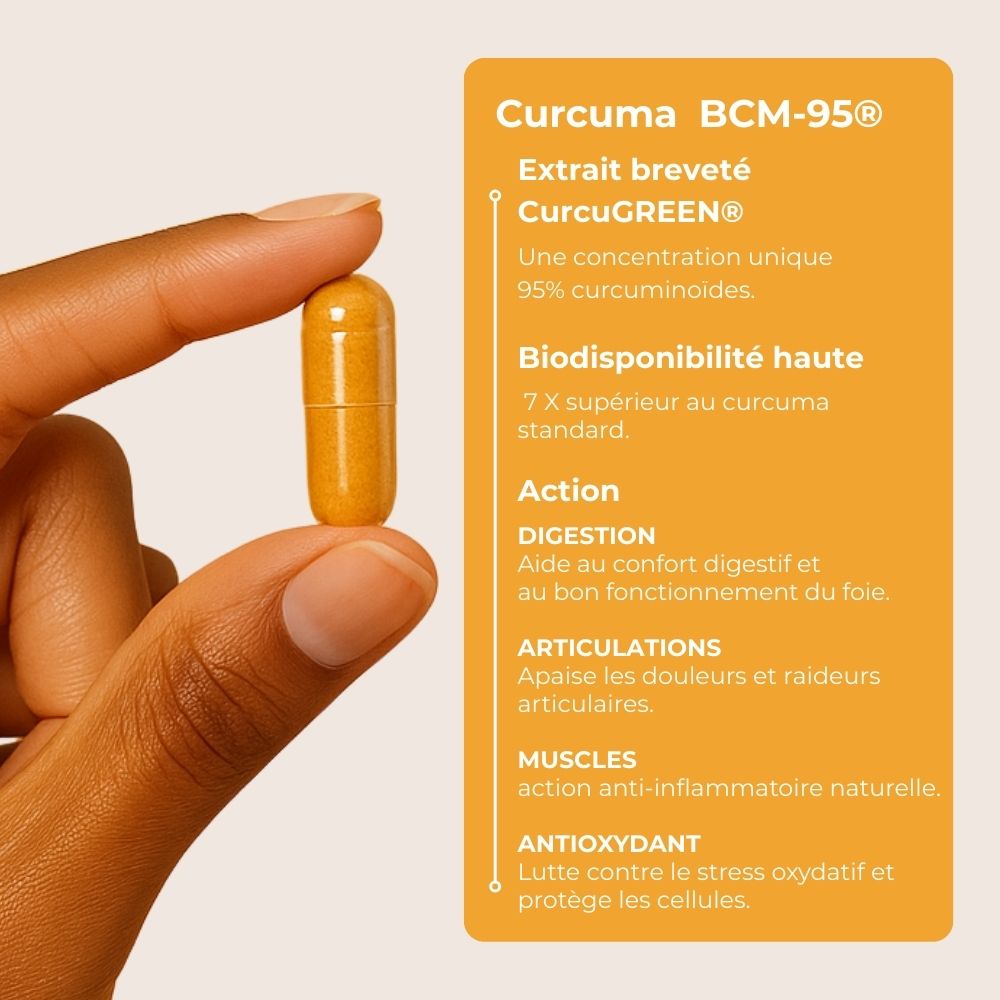
Turmeric is primarily known for its anti-inflammatory properties . The curcumin it contains helps inhibit certain pro-inflammatory molecules in the body. This makes it a valuable ally against chronic joint pain . Several clinical studies have evaluated the effect of curcumin in diseases such as osteoarthritis and rheumatoid arthritis. A 2016 meta-analysis concluded that a dose of approximately 1 g of curcumin per day can provide modest but real relief from joint pain and stiffness in osteoarthritis patients. In practice, this means that turmeric can help reduce joint inflammation and improve mobility, even if it is not a miracle cure. Furthermore, due to a lack of sufficient evidence, the EFSA (European Food Safety Authority) does not authorize turmeric-based supplements to officially claim to maintain joint health. However, many people experience relief from inflammatory pain (tendinitis, muscle aches, etc.) by regularly consuming turmeric. Its traditional use as a pain reliever dates back centuries. If you suffer from painful knees or frequently tense muscles, a course of turmeric could help soothe these discomforts naturally—in addition to appropriate medical treatment, of course.
Positive effects on the brain: memory and mood
A lesser-known fact is that turmeric also has an effect on brain health .
Recent studies suggest that regular curcumin consumption may improve certain cognitive functions and boost mood. For example, an American study conducted at UCLA showed that a highly bioavailable curcumin supplement taken for 18 months improved the memory of older adults with mild memory problems, compared to a placebo . Participants receiving curcumin scored higher on verbal and visual memory tests after just a few weeks of use. Researchers attribute this effect to curcumin's anti-inflammatory and antioxidant properties, which improve cerebral blood flow and reduce micro-inflammation in neuronal tissue. In parallel, other studies have observed a link between curcumin and a reduction in depressive symptoms (in people with mild depression): curcumin may increase levels of certain neurotransmitters (serotonin, dopamine) and modulate the stress response.
Of course, turmeric is not a substitute for antidepressant medication or therapy, but it can provide natural support for a more stable mood and a better-protected brain. In Ayurveda (Indian medicine), turmeric is known to "nourish brain cells" and is traditionally used to improve mental clarity. So, whether it's to preserve memory as you age or to reduce mild anxiety , adding a little turmeric to your daily routine is a worthwhile avenue to explore – alongside other healthy habits (intellectual activity, meditation, etc.). The benefits for the brain are subtle but very real, according to science: "modest but significant," to quote the authors of the American study .
Antioxidant properties for healthy aging
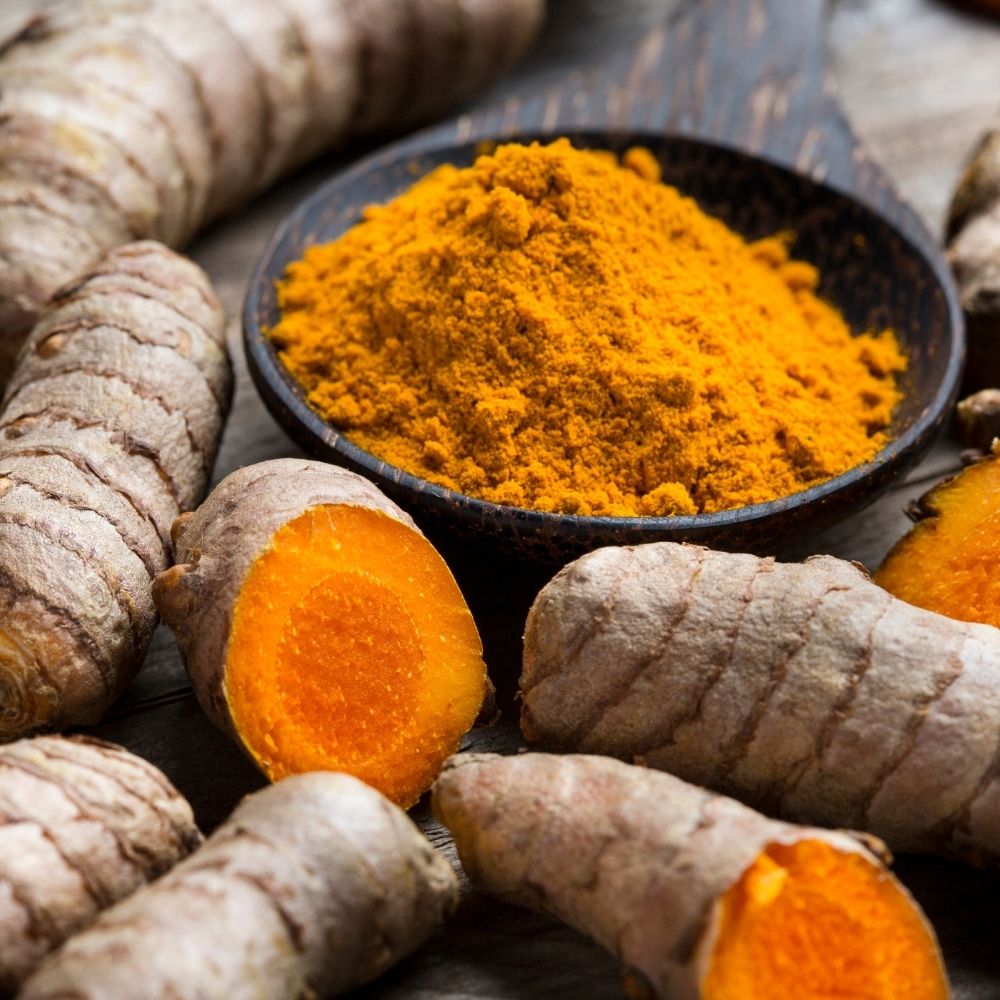
Turmeric is one of the "superfoods" rich in antioxidants . Curcumin helps neutralize free radicals responsible for cellular oxidative stress . In short, consuming turmeric helps protect our cells from premature aging induced by toxins, pollution, UV rays, and other factors. Several health benefits of turmeric stem from this antioxidant effect: it may support the immune system (by helping it neutralize inflammatory molecules) and contribute to the prevention of certain chronic diseases linked to oxidative stress (cardiovascular and neurodegenerative diseases, etc.). Research is underway on the anticancer potential of curcumin: in the laboratory, it can block the proliferation of various tumor cells.
However, caution is advised: these anti-cancer effects have not yet been demonstrated in humans at realistic doses (due to low bioavailability). Nevertheless, incorporating turmeric into a balanced diet is a natural boost for staying healthy longer .
It can be seen as a natural anti-aging agent , which helps the skin to preserve itself (in fact, in some cultures, turmeric is applied as a face mask for a radiant complexion) and the body in general to better resist the aggressions of daily life.

Turmeric, your daily digestive ally
From a digestive standpoint, turmeric is a valuable ally for the stomach and liver. In Ayurvedic medicine, this spice is prized in traditional preparations to support digestion and post-meal comfort.
In fact, it is recognized that turmeric naturally stimulates the production of bile by the liver, which facilitates the digestion of fats and promotes harmonious transit.
Consuming turmeric can therefore support digestive comfort on a daily basis.
Its antioxidant properties also support liver cells and contribute to maintaining liver functions (detoxification, metabolism).
Whether for improving daily digestion or as part of a detox program, this spice is a valued ally for digestive comfort . It's worth noting that classic turmeric is better absorbed when consumed with a fat (oil, coconut milk, etc.) and a pinch of black pepper – a combination to remember to maximize its digestive benefits.
Other potential benefits of turmeric
The list of benefits attributed to turmeric is long! Among those often cited (with varying degrees of evidence) are:
- Cardiovascular support : Turmeric may help lower LDL cholesterol levels and prevent the oxidation of this cholesterol (a factor in atherosclerosis). It may also promote the health of the vascular endothelium. In India, it is considered to "protect the heart."
- Anti-diabetic effect : some research indicates improved insulin sensitivity and lower blood sugar levels with curcumin, which could be useful in preventing type 2 diabetes. Again, this remains complementary to a suitable lifestyle.
- Skin benefits : Thanks to its antibacterial and soothing properties, turmeric is used topically for acne , eczema, or psoriasis (in dermatological preparations). Oral consumption may also help reduce skin inflammation (some "healthy skin" supplements contain it).
- Immune system support : In Ayurveda, turmeric is a rasayana (restorative) that strengthens vital energy. Its antioxidants and anti-inflammatory properties contribute to a balanced immune system , ready to defend the body. In fact, a hot drink with turmeric, ginger, and lemon is often recommended for colds to boost immunity.
- Antimicrobial properties : Curcumin has shown inhibitory effects on certain bacteria and fungi in laboratory settings. Turmeric is considered a "natural antiseptic" in Indian traditional medicine (the powder is sprinkled on wounds to promote healing and prevent infection).
Of course, all these effects do not replace consulting a doctor in case of a diagnosed illness. Turmeric is a fantastic health aid , but not a miracle cure . It can be used preventively or as a mild support, as part of a healthy lifestyle .
How to consume turmeric to benefit from its properties?
You can incorporate turmeric into your daily diet and/or take it as a dietary supplement . Here are some tips for using it effectively:
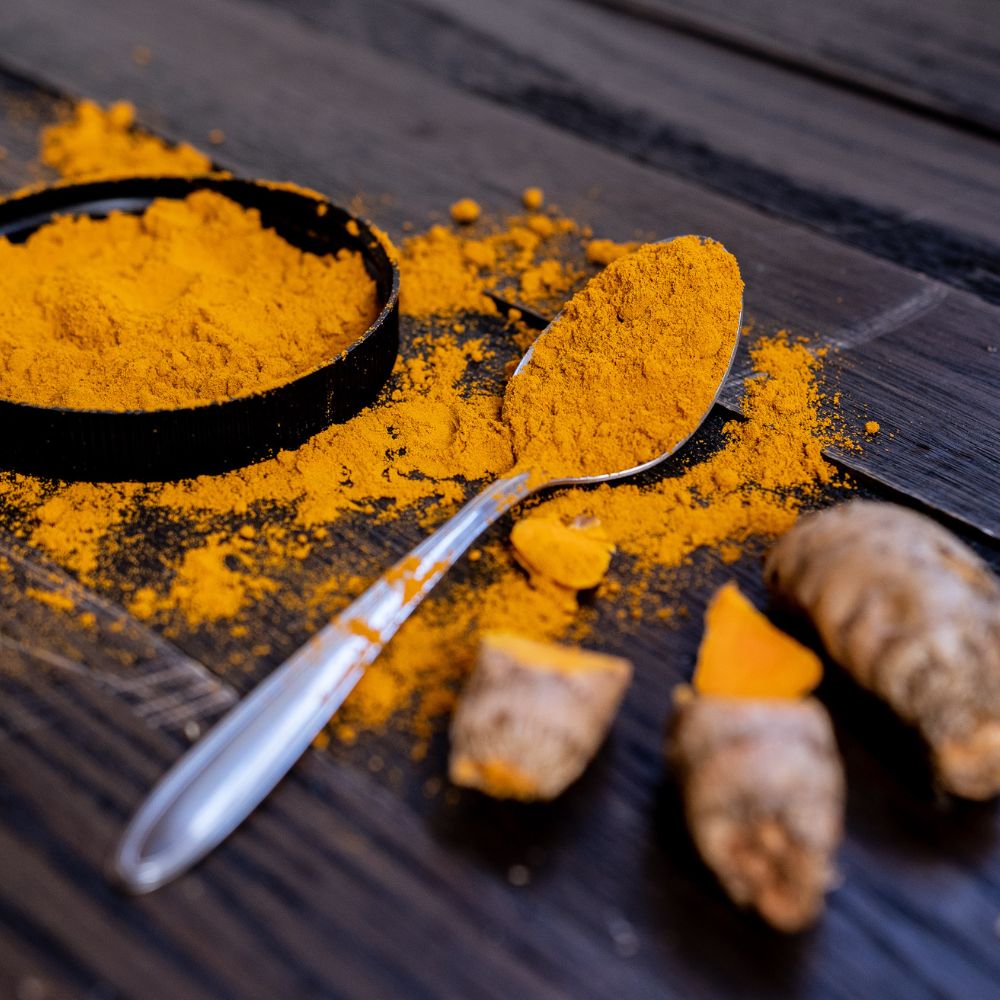
- In the kitchen : Use turmeric powder in your dishes (curries, sauces, soups, rice, smoothies, etc.). Always add a pinch of black pepper and ideally a source of fat (olive oil, coconut milk, etc.) to improve its absorption (airzen.fr ). Freshly grated turmeric can also enhance juices and infusions. For maintenance, aim for about 1/2 to 1 teaspoon of turmeric powder per day . Be careful not to overheat it (add it at the end of cooking) to preserve its beneficial properties.
- As a drink : The famous golden milk recipe (hot milk mixed with 1 tablespoon of turmeric, pepper, ginger, and honey) is a pleasant way to consume turmeric daily. You can also prepare digestive infusions after meals (turmeric + ginger + lemon).
- As a concentrated supplement : If you are aiming for a more pronounced therapeutic effect (for example, to relieve osteoarthritis or irritable bowel syndrome), taking high-dose turmeric capsules is recommended. Look for a product containing a standardized, highly absorbable extract (for example, curcumin + piperine, or patented complexes). Clinical studies often use dosages of 500 mg to 1 g of curcumin per day . Be sure to start gradually (for example, 250 mg/day and then increase) to test your tolerance, and take the capsules with a meal (since curcumin is fat-soluble, the presence of fat in the meal promotes its absorption).
Note: Always consult the recommended dosage on the product packaging. If in doubt, seek advice from a healthcare professional, especially if you are undergoing medical treatment (see precautions below).
Curcugreen BCM-95: for optimal absorption
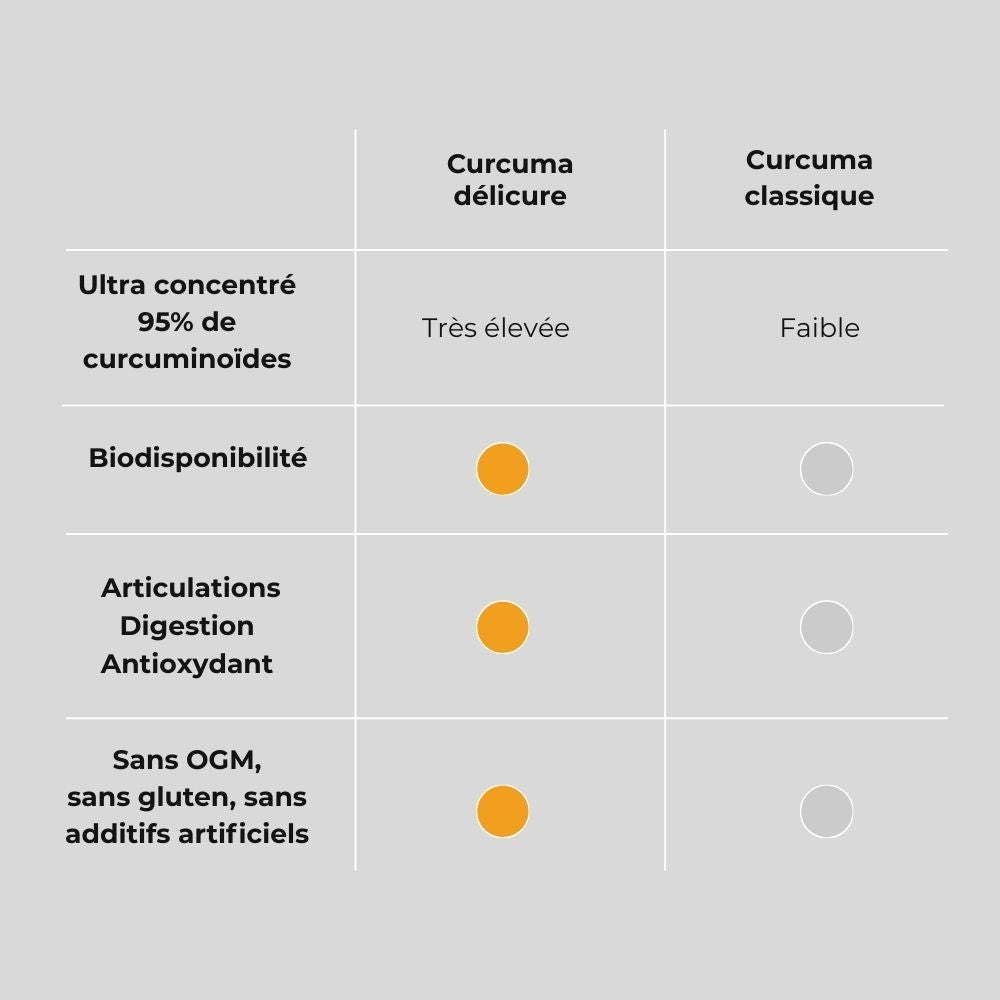
To fully benefit from all the advantages of turmeric, it's important to ensure good absorption of curcumin by the body. Curcumin alone has very low bioavailability: it's poorly absorbed and quickly eliminated. You would need to consume several grams of turmeric powder (often with pepper) to obtain a significant effect. This is precisely what Curcugreen® BCM-95® offers: an innovative form of highly bioavailable turmeric.
Thanks to its patented formulation combining curcuminoids and natural turmeric essential oils, Curcugreen BCM-95 offers up to 35 times greater absorption than a standard extract. Its profile has been documented by numerous studies, and this formula is recognized for its quality.
Furthermore, scientific studies highlight the excellent tolerability of Curcugreen BCM-95, even at high doses over the long term, making it a popular long-term supplement. It is also available in easy-to-take Curcugreen turmeric capsules, free of unnecessary additives.
His profile has been documented by numerous studies . Available in the form of It greatly facilitates daily intake, making the traditional uses of turmeric accessible to all. With Curcugreen BCM-95, it becomes simpler than ever to integrate this precious spice into your daily life.
Precautions for use and side effects
Turmeric is generally safe in culinary doses, but its concentrated use requires caution.
Side effects : High doses may cause dry mouth, bloating, heartburn, nausea, or vomiting . Stick to a moderate dosage (e.g., 500 mg of curcumin) and reduce or space out doses if discomfort occurs.
Interactions : Curcumin may enhance the effects of anticoagulants or interact with certain anti-inflammatory and antidiabetic medications. If you are taking any medication, consult your doctor.
Contraindications : Not recommended for pregnant or breastfeeding women, children under 18 years of age, and in cases of gallstones, bile duct obstruction, or active ulcer.
Rare hepatotoxicity : A few isolated cases of liver damage have been reported. Stop taking the medication if you experience extreme fatigue or jaundice.
Supplement quality : Choose a certified product (e.g., BCM-95®), additive-free, standardized, and easily absorbed. Délicure guarantees 100% natural, vegan capsules, free of GMOs and colorings.
When properly dosed and controlled, turmeric remains a safe ally in herbal medicine.