
Burnout, or professional exhaustion syndrome, is a state of intense physical, emotional, and mental fatigue, often linked to prolonged exposure to work-related stress. According to the WHO, it is classified as a work-related problem, not a disease. It manifests itself through a range of diverse symptoms and affects several aspects of daily life. Recognizing these signs early is essential to prevent serious health consequences (including mental and physical health).
-
Intense and chronic fatigue
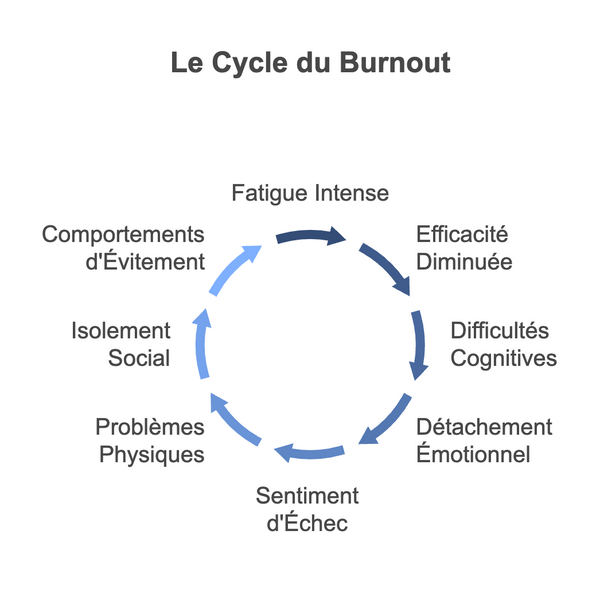
One of the first signs of burnout is persistent fatigue. This isn't simply feeling tired after a long day at work, but an overwhelming fatigue that doesn't disappear, even after rest. People feel constantly exhausted, whether physically, mentally, or emotionally.
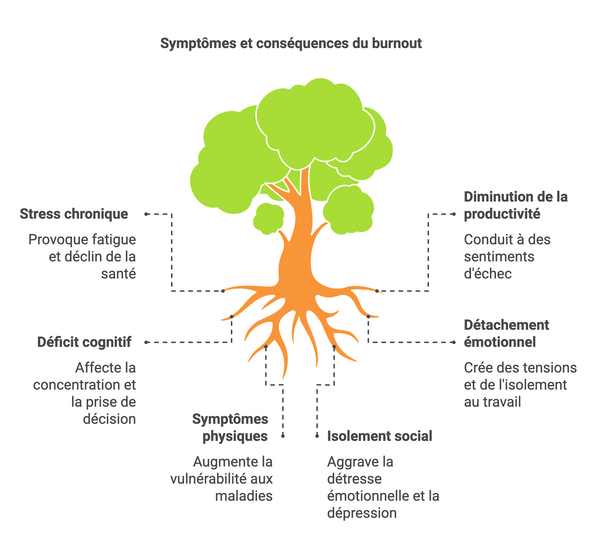
Affected employees may feel unable to cope with their day, even with simple tasks. This fatigue can also be exacerbated by constant stress, which disrupts sleep, leading to insomnia or frequent awakenings during the night, thus increasing exhaustion. Stress is a major contributing factor to burnout, and when it becomes chronic, it can negatively impact mental and physical health, increasing the risk of burnout.

-
Decreased professional efficiency
Burnout leads to a loss of productivity. Tasks that were once simple become complex, and concentration decreases. Affected individuals may take significantly longer to complete tasks because their ability to concentrate and make decisions is impaired.
This decreased efficiency often generates feelings of failure or incompetence. Work, once a source of pride, becomes a source of anxiety. In many cases, this situation can lead to taking time off work. Taking time off allows individuals to step back, rest, and focus on their health. Such periods of leave are often necessary to prevent symptoms from worsening and to allow time to implement effective preventative measures.
-
Cognitive impairment and lack of concentration
Exhaustion also affects cognitive function. People experiencing burnout have difficulty concentrating or remembering information. They may lose their train of thought or feel confused when faced with complex tasks. This impairment of mental abilities is one of the most frustrating signs for those suffering from burnout, as it directly impacts the quality of their work.
-
Emotional detachment
Another common symptom is emotional disengagement. People experiencing burnout may feel detached from their work, even desensitized. They may lose all interest in projects they were once passionate about and become cynical or indifferent.
Cynicism, irritability, and sarcasm may also appear, especially towards colleagues or superiors. This can create tension in the workplace and increase isolation.
-
Feelings of failure or incompetence
Faced with these difficulties, the feeling of failure becomes pervasive. Individuals experiencing burnout often feel they are no longer up to their responsibilities, which fuels a loss of self-confidence. This decline in self-esteem is compounded by the inability to perform tasks that were once simple. This feeling of powerlessness is particularly insidious, as it can lead to a general sense of worthlessness, even in their personal lives.
-
Physical problems
Burnout isn't just a psychological issue. Physical symptoms can also appear. These include headaches, muscle pain, tension in the neck or shoulders, and digestive problems (bloating, stomach aches). Some people may also experience palpitations or difficulty breathing.
Furthermore, the physical exhaustion associated with burnout weakens the immune system, which can make the person more vulnerable to infections or common illnesses.
-
Social isolation
Individuals experiencing burnout often tend to withdraw into themselves. This can manifest as a decrease in social interactions, both personal and professional. They avoid discussions with colleagues or friends because they often feel misunderstood or judged. This isolation only exacerbates their emotional distress and can lead to more serious problems such as depression.
-
Avoidance behaviors
People experiencing burnout often try to avoid stressful situations, frequently taking time off or developing avoidance behaviors at work. This can include prolonged or repeated absences, reduced working hours, or decreased involvement in projects.
Psychological factors and the risk of depression
Burnout is often associated with psychological factors, such as anxiety, a loss of control over one's professional life, and a persistent feeling of failure. These elements can lead to a significant drop in self-esteem and increase the risk of depression. People experiencing burnout are more vulnerable to depressive episodes because they are often overwhelmed by chronic stress and a sense of helplessness. The risk of depression is particularly concerning because it can have serious consequences for mental health and may require urgent medical attention.
What to do in the face of burnout?
If you or someone you know is showing these signs, it is crucial to act quickly. Burnout, although it may seem like simple, temporary fatigue, can have serious consequences for physical and mental health if nothing is done to prevent or treat it.
Consult a professional
A general practitioner or psychologist can help you understand the source of your distress and guide you toward appropriate solutions. In some cases, a psychiatrist may also be involved, especially when symptoms of depression or severe anxiety are present. The doctor's role is to assess your overall health, suggest sick leave if necessary, and refer you for appropriate follow-up care, sometimes including medication. The psychiatrist, on the other hand, is qualified to diagnose mental health disorders associated with burnout and offer specialized treatment, which is essential for comprehensive and effective care.
Reorganizing one's work
If possible, discussing solutions to lighten the workload with your manager, including possibly a temporary leave of absence or more flexible hours, can be beneficial. Dialogue is essential to finding a compromise.
Taking care of oneself
Incorporating activities that allow you to recharge is essential: sports, meditation, outings with friends, creative pursuits, or even spending time in nature. Relaxation and regular breaks help reduce pressure and allow you to reconnect with yourself. The goal is to find moments of decompression to release stress and strengthen your resilience in the face of daily challenges.
Reconnecting with one's values
Sometimes, burnout occurs when we've lost sight of the meaning in our work. Taking a step back and redefining what truly matters can help us regain motivation and clarity of mind.
Burnout is an increasingly common problem in modern societies. Recognizing its symptoms is crucial to preventing the situation from worsening. Prompt intervention, combined with lifestyle changes, can help restore balance and prevent more severe exhaustion. If you experience these symptoms, don't hesitate to consult a professional for the necessary support.