
Every month, many women experience discomfort related to their periods: headaches, back pain, abdominal cramps, digestive issues, or mood swings can all disrupt their daily lives. Nearly one in two women is affected by painful periods. In response to this, several natural approaches, including CBD, are gaining increasing interest.
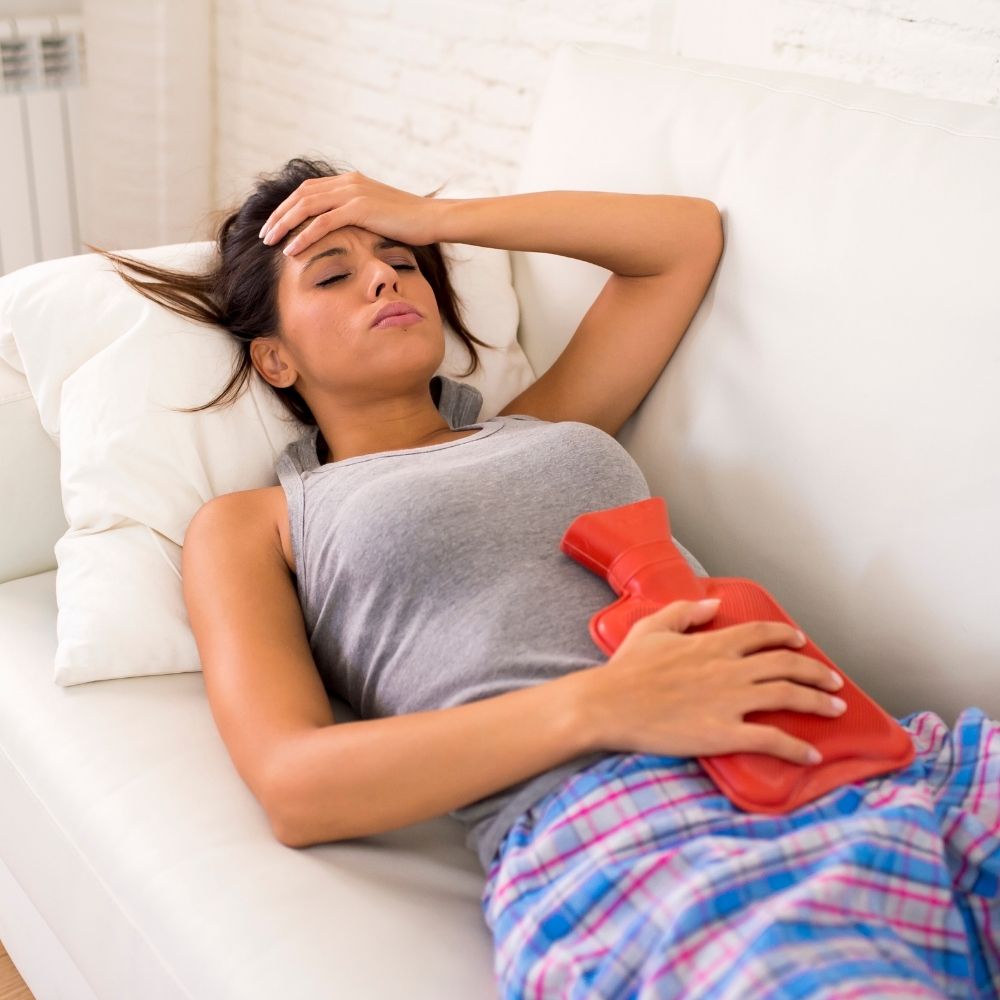
Why can periods be painful?
During menstruation, the uterus contracts to facilitate blood flow, which can cause varying degrees of pain in the lower abdomen. These contractions are primarily linked to the presence of prostaglandins, compounds that play a role in inflammation and menstrual pain.
These pains can sometimes be linked to a more serious condition, such as endometriosis, a chronic gynecological disease that affects one in ten women, according to Inserm (the French National Institute of Health and Medical Research). This disease is characterized by the growth of tissue similar to the uterine lining outside the uterus, near other organs. In cases of intense, unusual, or debilitating menstrual pain, a medical consultation is recommended to rule out this possibility and consider appropriate treatment.
Premenstrual syndrome, which manifests as irritability, anxiety, breast pain or headaches in the days leading up to menstruation, is also the subject of research aimed at better understanding its hormonal and inflammatory mechanisms.

What is CBD?
CBD (cannabidiol) is a molecule extracted from hemp, belonging to the cannabinoid family. Unlike THC , CBD does not produce a psychotropic effect and is not associated with a risk of addiction, making it a legal substance in France provided that the regulations in force regarding THC content are respected.
CBD is the subject of much research exploring its potential role in relaxation, stress management and general comfort, but no health claims have yet been validated by European health authorities.

CBD and menstrual pain: what does the research say?
CBD interacts with the body's endocannabinoid system, particularly via CB1 and CB2 receptors, which are involved in regulating pain and inflammation. Preliminary research has identified the presence of cannabinoid receptors in uterine cells, leading some researchers to explore a possible role for CBD in menstrual comfort.
It is important to emphasize, however, that this research remains in an exploratory stage, and no large-scale clinical study has yet confirmed the effectiveness of CBD specifically for menstrual pain. Therefore, CBD should not be presented as a validated treatment, but rather as one possible approach among other methods of providing relief, to be used with caution and after consulting a doctor in cases of significant or recurring pain.
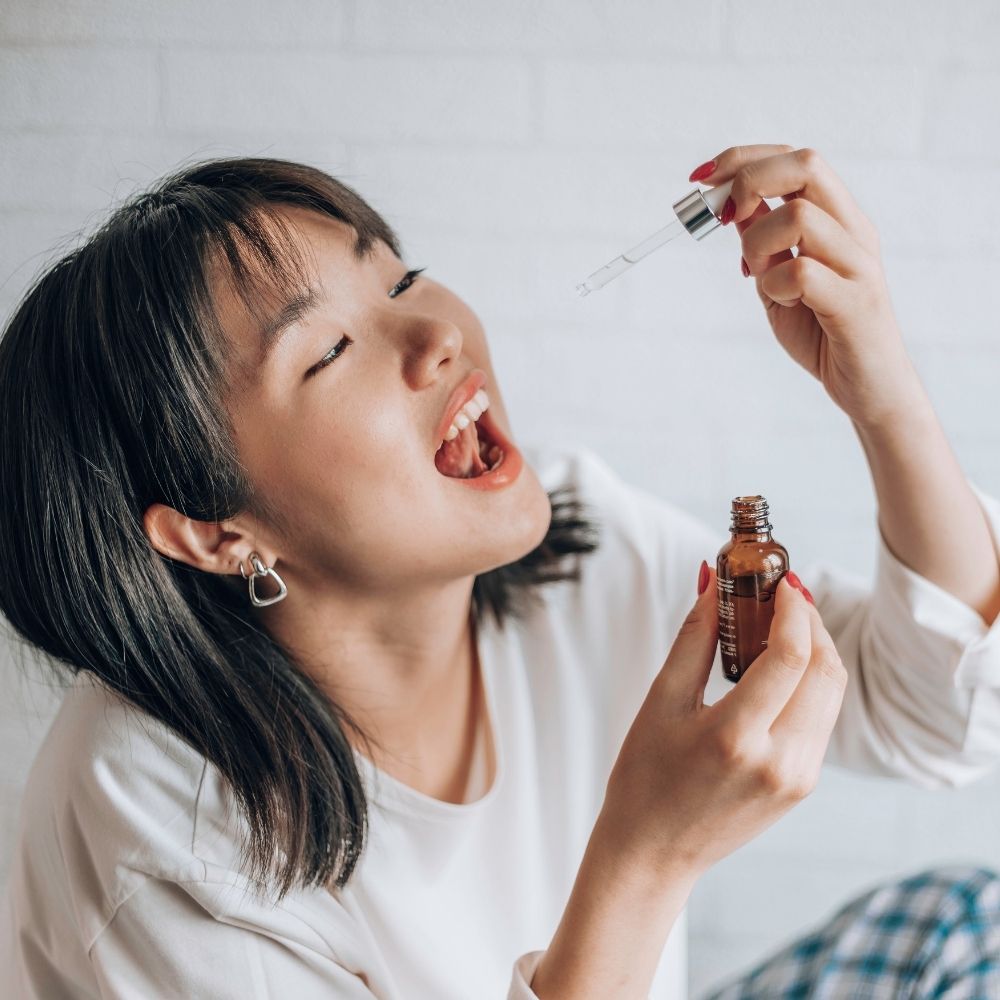
In what form should I try CBD?
CBD is available in various forms: oils, capsules, infusions, or gummies, to suit individual preferences. Sublingual oil, placed under the tongue, is generally considered one of the forms that allows for relatively rapid absorption through the mucous membranes.
For those interested in a complementary herbal approach, fennel and yarrow are traditionally used in herbal medicine to support women's comfort, although these uses are based primarily on tradition rather than robust clinical studies.
How to use CBD safely?
For those wishing to try CBD, it is generally advisable to start with low doses, such as a few drops of oil once or twice a day, and gradually increase the dose if necessary, without exceeding the manufacturer's recommended dosage. CBD can be taken at different times of the day depending on individual needs and tolerance. For more information on dosage habits, our article "When to Take CBD During the Day" provides further details.
Precautions for use
Before using CBD, especially for recurring or debilitating menstrual pain, it is essential to consult a doctor to rule out an underlying cause such as endometriosis, which requires specific treatment. CBD should never delay seeking medical help for unusual pain.
Pregnant or breastfeeding women, as well as individuals undergoing medical treatment, should consult a healthcare professional before consuming CBD due to potential interactions. CBD products are intended for adults only.
Frequently asked questions about CBD and painful periods
Can CBD replace treatment for menstrual pain?
No, CBD is not approved by any health authority as a treatment for menstrual pain. In cases of severe or recurring pain, a medical consultation remains essential to identify the cause and consider appropriate treatment.
At what point should period pains become a cause for concern?
Pain that intensifies over time, is not relieved by usual painkillers, or is accompanied by other symptoms (heavy bleeding, pain during intercourse) should be the subject of a medical consultation, in particular to rule out endometriosis.
Does CBD have any known side effects?
CBD is generally well tolerated, but may cause mild drowsiness or digestive issues in some people. It can also interact with certain medications, so it's important to consult a healthcare professional if you are currently taking any medication.