
With the return of cold weather and winter, hair tends to become duller, drier , and more brittle. It also experiences a normal and temporary phenomenon known as "seasonal hair loss" or "seasonal alopecia."
To preserve the full health and beauty of hair, it is essential to improve your daily routine to adapt to the climate and environment.
Why does winter damage hair?
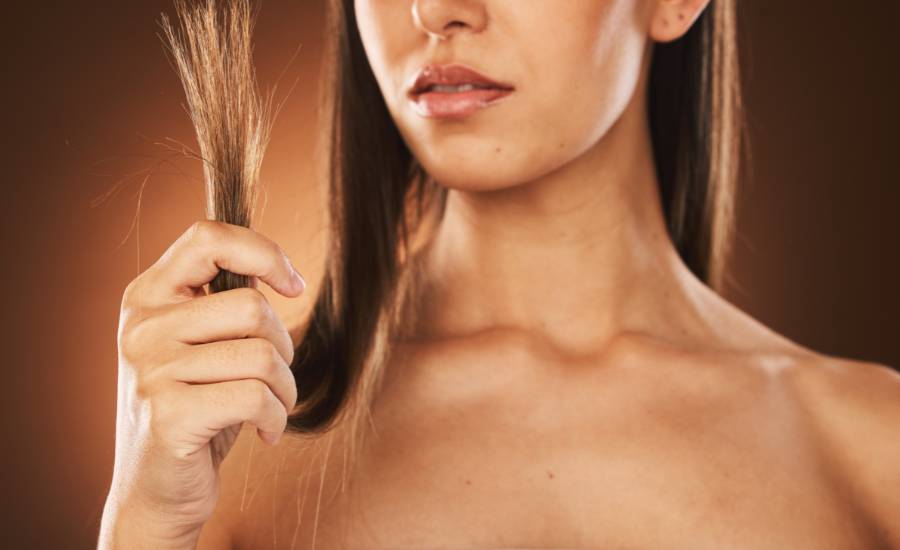
Winter is a harsh time for hair; several factors disrupt its balance. Among these are:
– The environment
Environmental factors such as cold, wind, rain, and snow have a direct impact on hair. They can damage the hair fiber, making it more vulnerable, drier, and more brittle.
Cold, dry air causes the hair cuticle to lift slightly, preventing moisture from being retained within the hair shaft. Hair becomes drier, more brittle, and frizzes more easily.
Furthermore, at the scalp level, vasoconstriction of blood vessels occurs. This results in a decrease in the amount of blood reaching the hair roots, which disrupts the function of the sebaceous glands and their sebum production. As a result, the hair becomes more fragile and less hydrated.
– Heating appliances
It's important to know that hair is composed primarily of keratin , making up 90% of its structure. Keratin acts as a protective film, giving hair strength and shine.
The heat emitted by heating appliances such as hair dryers, straighteners or curling irons alters and destroys the keratin present in the hair fiber.
Hair therefore becomes rough and dry because it will have lost all moisture, split ends may appear on the tips and lengths.
– Festive meals
The holiday season is often synonymous with excess, particularly with rich, fatty, and sugary meals. These can be harmful to hair.
Indeed, fat and sugar can weaken hair and damage the blood vessels in the scalp, which supply oxygen to the hair follicles. Reduced oxygen supply means fewer nutrients reach the hair follicles, leading to hair loss and disrupting the growth process.
– The water is too hot
Excessively hot water in the shower, as well as temperature variations between indoors and outdoors, significantly damage hair.
First, hot water can strip the skin of the scalp and irritate it. Its proper functioning can be disrupted, leading to itching or dandruff.
Furthermore, hot water removes the hair's natural protection, making it more fragile, drier , and more sensitive to environmental factors.
– Friction against clothing
The constant friction of winter clothing such as wool sweaters and scarves can damage hair and make it static.
Furthermore, excessive hat wearing can prevent the scalp from getting enough oxygen and cause excessive sweating. This results in greasy, sticky hair.
All these factors weaken and damage hair during the winter. Fortunately, there are solutions to remedy this and prevent further damage during this period.
Tips for taking care of your hair in winter
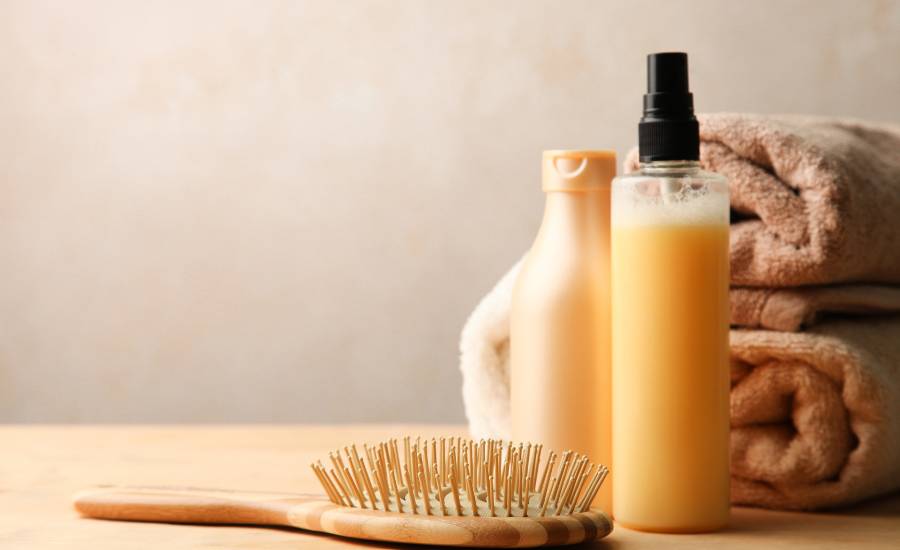
Here are some simple and accessible tips to adopt in your routine to take care of your hair in winter:
– Performing natural treatments
To better combat the effects of winter, nourishing and hydrating your hair are essential steps. For this, it is highly recommended to use treatments based on plant oils .
Coconut oil, castor oil, avocado oil, and argan oil are excellent allies for hair. These oils strengthen the hair fiber and effectively protect it from external aggressors.
To reap their benefits for your hair, ideally you should do an oil treatment once a week, leaving it on for at least 3 hours throughout your hair (scalp, lengths, and ends). When rinsing in the shower, it's recommended to use a gentle, sulfate- and silicone-free shampoo to avoid damaging your hair.
– Limit the use of heating appliances
As mentioned previously, heating appliances used too often damage and weaken the hair fiber.
It is therefore advisable to limit blow-drying, to let your hair air dry as often as possible, or to use the "cold" setting on the hairdryer.
– Trim the tips
Trimming the ends of your hair is a good thing for the health and beauty of your hair, especially when it is dry, brittle and damaged .
It is advisable to trim the ends regularly, every 3/4 of a month, to eliminate split and thinned ends, and thus start off on a good footing.
– To have a healthy and balanced diet
Having a healthy and balanced diet is essential for maintaining beautiful hair.
Conversely, a diet lacking in variety and high in sugar and fat results in dull, brittle hair, as well as an imbalance in the scalp. This is because the scalp receives nutrients from the bloodstream that reach the hair roots.
Vitamins , trace elements, and proteins all contribute to healthy hair. Therefore, it's important to eat plenty of fruits and vegetables, dried fruits (almonds, walnuts, hazelnuts, etc.), oily fish, eggs, and white meat.
– Protecting your hair
To effectively protect your hair from friction against clothing, it's necessary to wear protective hairstyles. Among these, braids or wearing a silk scarf are ideal for preserving hair from external damage.
In addition, to avoid hair rubbing against the pillow during the night, it is best to opt for a satin or silk pillowcase.
Protecting your hair also involves choosing gentle, hair-friendly products (shampoo, conditioner, mask, etc.). These products should not contain sulfates, silicones, parabens, or harsh surfactants.
– Take dietary supplements for hair beauty
Hair also needs to be nourished from within to stay healthy. In fact, an insufficient intake of vitamins, particularly in cases of dietary imbalance, can be one of the causes of hair loss and slowed growth.
Taking targeted, nutrient-based dietary supplements for hair health is therefore highly recommended. These will effectively and lastingly improve the appearance of your hair.
Delicure's "Radiant Hair" gummies
These They are rich in B vitamins (B6, B8, B9, and B12) and vitamin E, essential for maintaining healthy hair. They also contain trace elements such as zinc and selenium, which are equally vital for preserving hair's beauty. Finally, they contain bilberry extract, which stimulates blood microcirculation in the scalp, thus promoting faster hair growth.
This 100% natural product is therefore ideal for effectively combating the discomforts caused by winter. A 3-month course of treatment is recommended for optimal results.
—