
Waking up unable to move, sometimes with disturbing hallucinations: sleep paralysis can be a terrifying experience for first-timers. Yet, this phenomenon is benign, well-documented, and often preventable. Understanding its mechanisms is the first step to preventing it.
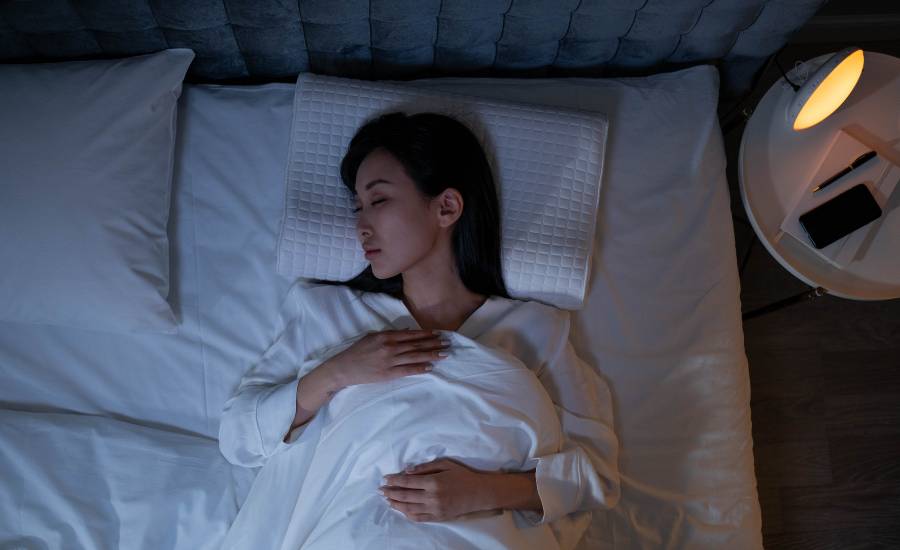
What is sleep paralysis?
Sleep paralysis is a parasomnia characterized by a temporary inability to move or speak when falling asleep or waking up, while consciousness remains intact. It occurs during the transition between REM sleep and wakefulness. During REM sleep, the brain sends a signal of muscle atonia to prevent the body from repeating dream movements. Sleep paralysis corresponds to an abnormal persistence of this atonia after returning to consciousness. To understand what happens in each sleep phase, our article on the different sleep stages details the mechanisms involved.
An episode typically lasts from a few seconds to two minutes, rarely longer. The person remains fully aware of their surroundings: they perceive sounds, see the room, and breathe normally. It is precisely this intact consciousness combined with the inability to move that makes the experience so disturbing.
The associated symptoms
Besides the inability to move, sleep paralysis is frequently accompanied by other symptoms. Chest tightness and a feeling of suffocation are reported by a majority of people, probably related to the altered perception of diaphragmatic breathing in a state of atonia. Hypnagogic (when falling asleep) or hypnopompic (upon waking) hallucinations are present in 75% of episodes: these can be visual (presence of a silhouette, shadows), auditory (voices, noises), or tactile (sensation of pressure on the chest).
These hallucinations are explained by the partial overlap of the dream state and the waking state: the brain continues to generate dream images even after consciousness has returned. They are harmless but can leave a strong emotional impact. Our article on sleep paralysis and its natural solutions explores this topic in more detail.
Who is affected and why?
Sleep paralysis affects approximately 8% of the general population recurrently, according to a meta-analysis published in Sleep Medicine Reviews . It can occur at any age but often begins in adolescence or early adulthood.
The best-documented contributing factors are sleep deprivation and irregular schedules, which disrupt sleep cycles and increase REM sleep pressure. Sleeping on your back is an established risk factor: episodes are significantly more frequent in this position. Chronic stress and anxiety increase REM sleep fragmentation. Alcohol consumption or the use of certain medications can also disrupt sleep architecture.
In rare cases, recurrent and severe sleep paralysis can be associated with narcolepsy. If episodes are very frequent and accompanied by other symptoms (sudden daytime sleepiness, loss of muscle tone triggered by emotions), a consultation at a sleep center is recommended.
How to prevent sleep paralysis?
The most effective measure is to establish a regular sleep schedule: going to bed and waking up at fixed times, even on weekends, stabilizes the circadian rhythm and reduces incomplete transitions between REM sleep and wakefulness. An adult needs 7 to 9 hours of sleep per night. Our article on the ideal amount of sleep specifies these needs according to age.
Changing position is a simple yet effective intervention. Sleeping on your side rather than your back significantly reduces the frequency of episodes. A pillow placed behind your back can help maintain this side-lying position. Our guide to the best sleeping position details the benefits of each posture.
Stress management plays a central role. Relaxation techniques practiced in the evening (heart coherence exercises, meditation, gentle stretching, a warm bath) facilitate the transition to sleep. Our article on breathing techniques to improve sleep details several accessible methods.
From an environmental perspective, a cool (16-18°C), dark, and quiet bedroom limits micro-awakenings during REM sleep. Avoiding screens an hour before bedtime and eliminating stimulants after 4 p.m. helps stabilize sleep cycles. Certain plants, such as valerian, passionflower, or linden, can complement these measures by promoting more peaceful sleep. Our selection of the best plants for sleep outlines their properties.
What to do during an episode
Knowing what to do during an episode significantly reduces the anxiety it generates. The first rule is not to panic: the episode is benign and will resolve spontaneously within seconds to minutes. Resisting by forcing the movement often worsens the feeling of tightness or pressure.
Techniques that help you exit the episode more quickly include: focusing on a minimal movement (wiggling a finger, your toes), practicing controlled and deep breathing, and voluntarily blinking (often the only accessible muscles). Concentrating on a fixed visual point in the room helps to ground your awareness in reality and dispel hallucinations.
Frequently asked questions about sleep paralysis
Is sleep paralysis dangerous?
No. Despite the sensation of suffocation, breathing remains functional throughout the episode. Isolated sleep paralysis poses no risk to physical health. However, it can generate anticipatory bedtime anxiety if it is recurrent, which can worsen sleep disturbances. In this case, psychological support or a consultation with a sleep specialist can be helpful.
Is it possible to experience sleep paralysis every night?
Very frequent episodes (several times a week) are rare and should be reported to a doctor. They may indicate underlying narcolepsy or a severe anxiety disorder. Occasional sleep paralysis (a few times a year), on the other hand, is very common and does not require a consultation if it is not debilitating.
Can children experience sleep paralysis?
Yes, although it's less common before adolescence. In children, the most frequent parasomnias are night terrors and sleepwalking, which occur during deep slow-wave sleep. Sleep paralysis in a young child warrants a medical evaluation to rule out a neurological condition.