
Stress is a normal physiological response to the challenges of daily life. It's when it becomes chronic that it becomes a problem: elevated heart rate, muscle tension, sleep disturbances, irritability. The good news is that several natural approaches can effectively relieve it without resorting to medication.
Recognizing the signs of chronic stress
The first step in managing stress is learning to identify it before it becomes chronic. Physical signs are often the earliest: rapid heartbeat, tension in the neck or shoulders, headaches, unexplained fatigue, digestive problems. Emotional signs follow: irritability, anxiety, difficulty concentrating, loss of motivation.
Keeping a stress diary for two weeks helps identify triggering situations and recurring patterns. This awareness is often enough to reduce the intensity of the stress response, as it transforms an automatic reaction into a conscious process.
Physical activity: the most powerful lever
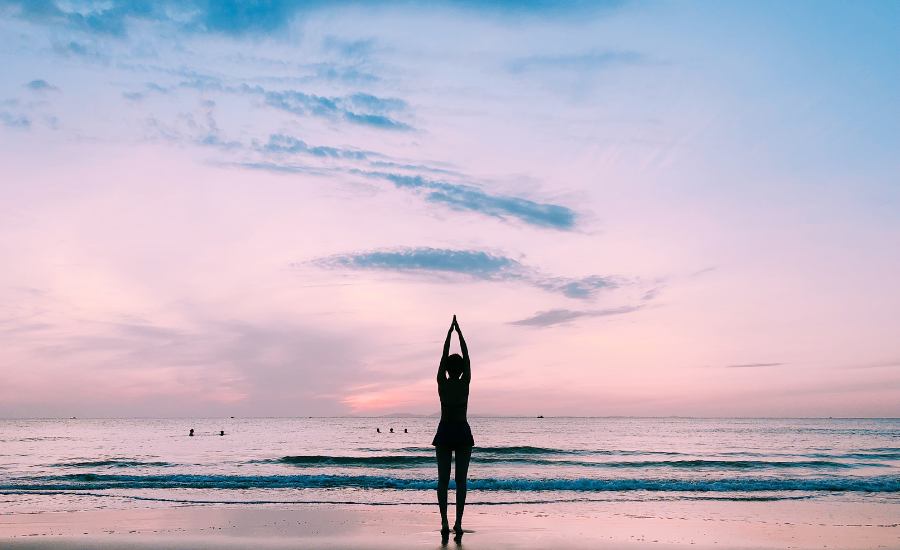
Physical exercise is one of the best-documented stress relievers. It acts on several mechanisms simultaneously: the release of endorphins and serotonin, the reduction of cortisol, and the improvement of sleep quality. Studies show that 30 minutes of moderate activity, three times a week, reduces anxiety symptoms in a way comparable to short-term psychotherapy.
No need to join a gym: a brisk 20-minute walk outdoors, a stretching session, or a bike ride is enough to trigger these effects. Yoga deserves special mention: it combines movement, breathing, and concentration, making it a particularly effective tool for stress management. Regularity matters more than intensity. Our article on the best stress-relieving activities presents other options suitable for all levels.
Meditation: acting directly on cortisol
Meditation is the approach whose effects on stress are best validated by research. A meta-analysis published in JAMA Internal Medicine, covering 47 clinical studies, confirms that regular meditation practice significantly reduces cortisol and increases the production of serotonin and oxytocin.
The principle is simple: by focusing attention on breathing or bodily sensations, you interrupt the flow of anxious thoughts that perpetuate stress. A few minutes a day is enough to notice the effects. Mindfulness meditation involves observing your thoughts and sensations without judging them or trying to change them. Transcendental meditation uses a mantra repeated mentally. Both approaches are effective: choose the one that suits you best and practice regularly.
Anti-stress diet and the role of magnesium
Certain nutrients play a direct role in stress regulation. Magnesium is the most important: it participates in over 300 enzymatic reactions in the body, including the regulation of the nervous system. A magnesium deficiency amplifies the stress response and creates a vicious cycle (stress increases urinary magnesium loss, which worsens anxiety). It is found in spinach, almonds, dark chocolate, and legumes.
Caffeine and alcohol should be limited: they stimulate adrenaline secretion and disrupt sleep cycles, two factors that worsen chronic stress. Hydration is also important: even mild dehydration raises cortisol levels. For a comprehensive approach, our article on magnesium bisglycinate details its effects on stress and the most readily absorbed forms.
Sleep: an essential condition for recovery
Stress and sleep have a two-way relationship: stress disrupts sleep, and lack of sleep amplifies sensitivity to stress. An adult who sleeps less than 6 hours has significantly higher cortisol levels than someone who sleeps 8 hours. Establishing fixed bedtimes and wake-up times, even on weekends, is one of the most effective ways to stabilize this cycle. Our article on the links between stress and sleep disorders explores this vicious cycle in detail.
Plants and relaxation techniques
Several plants are well-documented for their effects on stress and anxiety. Rhodiola rosea is an adaptogenic plant that helps the body resist physical and mental stressors. Valerian and passionflower act on nervous tension and promote relaxation. Lemon balm reduces mild to moderate anxiety. These plants can be consumed as herbal teas, capsules, or extracts, ideally in courses of 4 to 8 weeks to observe their full effect.
Aromatherapy is a useful complement: lavender, Roman chamomile, and bergamot have documented calming effects when inhaled. A few drops in a diffuser for 15 minutes in the evening can help promote relaxation before bedtime. Soft music (slow tempo, low frequencies) also produces a measurable relaxing effect on heart rate.
Frequently Asked Questions about Natural Stress Relief
What is the fastest way to calm stress?
Slow breathing is the quickest technique: inhale for 4 seconds, hold for 2 seconds, exhale for 6 seconds, repeated 5 to 6 times. It activates the parasympathetic nervous system in less than 3 minutes and noticeably reduces heart rate. It's a technique that can be used anywhere, without equipment, in stressful situations.
Can chronic stress be cured naturally?
Mild to moderate chronic stress responds well to natural approaches: regular physical activity, meditation, improved sleep, a suitable diet, and adaptogenic herbs. For severe chronic stress or stress associated with diagnosed anxiety disorders, professional support (psychotherapy, medical follow-up) is recommended in addition to natural approaches.
How long does it take to reduce stress naturally?
The first effects of meditation and physical exercise are felt after 2 to 3 weeks of regular practice. Adaptogenic herbs generally require 4 to 6 weeks to produce their full effect. Lasting changes in stress management take 2 to 3 months of consistent practice.