
The beauty of hair depends, to a large extent, on a healthy scalp. It is therefore essential to pamper it to maintain healthy hair .
A healthy scalp results in stronger, thicker hair; whereas an irritated or damaged scalp weakens the hair, which also becomes thinner and duller.
Like the skin, the scalp can react to various factors in daily life. Dandruff , tightness, itching, or dryness may then appear.
Before treating your scalp, you need to know its nature and understand its reactions.
The scalp
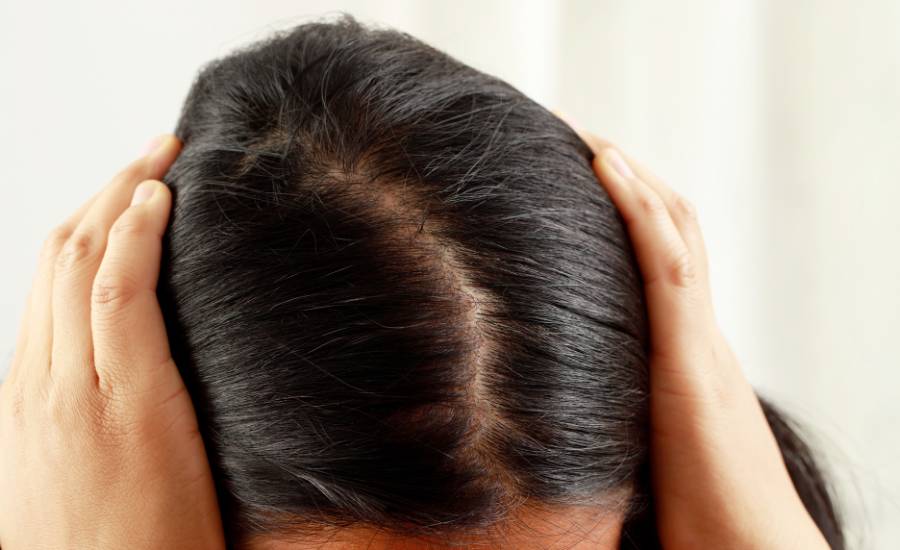
The scalp is the part of the skin that covers the skull, on which hair grows. On average, it contains between 100,000 and 200,000 hairs.
It plays several important roles; indeed, the scalp is a physical barrier against external attacks, an immunological protection, and a thermal insulator.
The scalp is composed of numerous hair follicles that produce hair . These follicles are connected to sebaceous glands, which play an essential role in the beauty of both hair and skin by producing and synthesizing sebum. Mixed with sweat, sebum forms a protective, lipid-rich layer on the scalp called the "hydrolipidic film," which makes hair supple and shiny.
The scalp also has sweat glands whose role is to secrete sweat and implement the mechanism of perspiration.
The scalp is supplied by a large number of blood vessels, which is explained by its high density of hair follicles. It also has nerve endings, which make it very sensitive to touch and the environment.
Like the skin , the scalp is made up of three layers that overlap from the surface to the depth: the epidermis, the dermis and the hypodermis.
On average, scalp cell renewal takes two weeks; however, it can be accelerated in cases of inflammation.
The causes of an unhealthy scalp
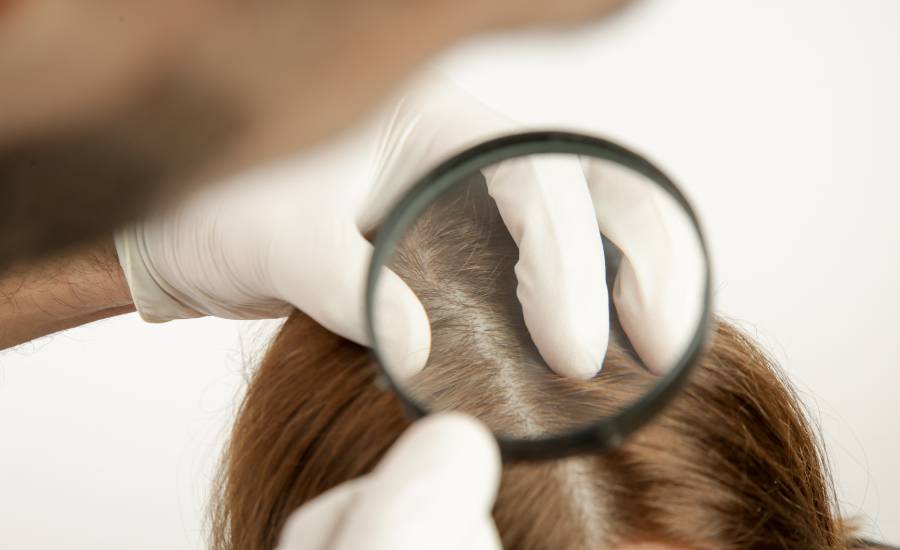
Several factors can cause scalp problems:
A parasite called "Malassezia Globosa"
“Malassezia Globosa” is a microorganism naturally present on the scalp. It feeds on the sebum secreted on the surface of the scalp.
In some people, this parasite can be irritating. It can weaken the skin's protective barrier and lead to inflammation and/or itching. As a reaction, the scalp accelerates cell renewal, which promotes the proliferation of dandruff.
A temperature that is too high
One of the main causes of scalp irritation is perspiration. When exposed to excessively high temperatures, it can become very irritating.
Wearing a hat increases scalp temperature and leads to increased perspiration.
Pollution
Pollution has a negative impact on the balance and health of the scalp. Indeed, airborne pollution particles settle and suffocate the scalp.
When a scalp can't breathe, it secretes excess sebum to protect itself. As a result, the scalp becomes oily more quickly, and the hair becomes greasy , shiny, and sticky.
Lifestyle
Poor diet, periods of stress, tobacco use, the menstrual cycle… all these factors influence the body as well as the quality of the scalp.
Finally, some antibiotics and medications prescribed for chronic diseases, or even hair dyes containing irritating and allergenic molecules, tend to unbalance and alter the condition of the scalp.
Solutions to soothe and care for your scalp
Fortunately, there are solutions to soothe and care for your scalp. Here are some tips for taking care of your scalp and, consequently, preserving the beauty and vitality of your hair:
Using hair products suited to your needs is essential: choosing the right shampoo is paramount. It removes impurities from the scalp (sebum, dust, pollution, dead skin cells) so it can breathe and remain healthy. Shampoo should be chosen according to your current needs: anti-dandruff, soothing, or strengthening. The key is to opt for a gentle formula, free of harsh sulfates, to avoid further irritating the scalp. The same applies to complementary treatments such as conditioner or hair masks.
Moisturize your roots regularly : just like your skin, your scalp needs hydration. In case of dryness, a mixture of aloe vera and jojoba oil can help restore the hydrolipidic balance while regulating sebum production.
Opt for natural treatments : plant oils (castor, coconut, argan) nourish and soothe the scalp, while green clay or apple cider vinegar purify and absorb excess sebum. These treatments should be applied once a week, before shampooing, to restore vitality and lightness to the hair.
Perform a weekly scrub : a gentle scalp scrub, based on sugar and vegetable oil, helps to remove impurities, stimulate blood circulation and prevent dandruff.
Massaging the scalp : a scalp massage, using fingertips or a suitable brush, activates microcirculation and promotes growth. It should be gentle to avoid overproduction of sebum.
Adopting a balanced diet is essential: hair follicles are nourished by nutrients present in the blood. A varied diet, rich in protein, fruits, vegetables, and healthy fats, helps maintain strong and shiny hair.
If, despite these treatments, itching or dandruff persists, it may be helpful to adopt a healthier lifestyle: restful sleep, physical activity, stress management , or to consult a dermatologist for targeted treatment.