
A study from the University of Pennsylvania* in the USA has shown that when you get little sleep, that is, less than the recommended eight hours, you are more dehydrated than others. This is thought to be due to a hormone released at the end of the night: vasopressin.
Hydration, a key factor in restful sleep
A large part of the population suffers from sleep disorders, until now this was attributed to underlying psychological reasons; but a primary factor would rather be due to a lack of hydration .
For example, people who sleep six hours a night have much more concentrated urine and are more dehydrated upon waking than those who sleep eight hours. According to the study's author, this is due to the release of a hormone: vasopressin, which is released towards the end of the night. This hormone is directly involved in the absorption of water by the kidneys and cells, and therefore in hydration in general.
So if you sleep less, you risk missing the vasopressin release window, which directly disrupts the body's hydration!
Dehydration negatively affects the body and is responsible for decreased cognitive and physical performance, as well as mood disorders. Early signs of dehydration include thirst and a dry mouth, decreased urine volume with dark urine, fatigue , and headaches . In more advanced cases, dehydration can manifest as fever and, sometimes, sunken eyes, behavioral changes, or loss of consciousness. In severe cases, dehydration can be fatal. (vidal.fr)
Chronic dehydration, on the other hand, can have much more serious consequences, such as significant urinary or kidney problems. This study therefore suggests drinking more water throughout the day to promote longer, more restful nights.
It's also possible to use drinks that promote better hydration. For example, Hydratis tablets are rich in electrolytes (magnesium, potassium, manganese, sodium, etc.) and allow for better water absorption by our bodies, thus helping to prevent dehydration, which can occur particularly at night. You can therefore take Hydratis before going to bed so you don't get thirsty while sleeping and have to wake up to drink. Hydratis products also have excellent customer reviews .
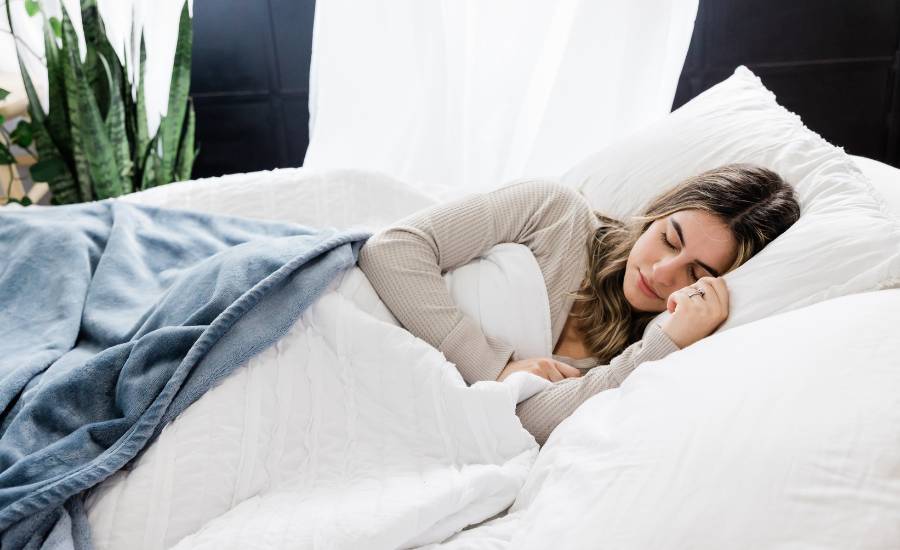
Some tips for sleeping better
According to recent surveys, two-thirds of French people report a lack of sleep, and one in two has difficulty falling asleep or wakes up during the night. To combat this, here are 8 tips to adopt to end insomnia:
Respect your natural rhythm
Sleep needs regularity, which is why you tend to get up early on weekends, even without an alarm. By alternating your bedtimes from one day to the next, you disrupt your circadian rhythm and make it even harder to get up.
Turn off your mobile phone
Screens in general emit blue light, which reduces the production of melatonin, the sleep hormone. This makes it harder to feel tired, delaying sleep onset and leading to shorter nights. Furthermore, phone alerts, or even the fear of receiving alerts, prevent you from fully relaxing and falling asleep peacefully.
Quick tip: put your phone in “dark mode” at night, it emits less blue light.
Be active during the day
Moving around during the day allows the body to accumulate physical fatigue, which promotes falling asleep faster and enjoying more restful sleep. However, there's no point in overdoing it; the intensity of the activity plays no role here.
Contrary to popular belief, engaging in physical activity in the evening does not prevent sleep, provided it is not too intense. Therefore, opt for a walk or stretching exercises rather than a jog, for example.
Being in contact with natural light
The circadian rhythm, the part of the brain that regulates sleep cycles, is very sensitive to daylight and the alternation of day and night. Therefore, insufficient exposure to light during the day makes it difficult to fall asleep. When you are indoors, open your curtains and windows as often as possible and choose a workspace that receives sunlight. In winter, make a point of going outside for fresh air when the light is at its strongest.
Adjusting the temperature of your room
According to a study, the ideal bedroom temperature for a good night's sleep is between 16 and 18°C. This allows the body to slightly lower its internal temperature, promoting restful sleep. Indeed, a room temperature that is too high can cause night sweats and perspiration, reducing the body's hydration. Therefore, remember to lower the heating half an hour before going to bed, and if you get a little cold during the night, use a thicker blanket to wrap yourself in. In summer, create cross-ventilation in your bedroom during the coolest hours to regulate the temperature.
The importance of dinner
Eating a heavy or spicy meal before bed disrupts sleep quality. Digestion is a physiological process that requires a lot of energy, preventing the body from resting properly.
Conversely, a light meal can lead to feelings of hunger during the night, which may wake you up. Therefore, aim to eat dinner at least an hour before bedtime to allow your body time to digest. Opt for slow-release carbohydrates such as pasta or legumes, as well as leaner white meats.
Relaxing before going to sleep
Each evening, take some time to relax and disconnect from daily stress. Ideally, read a few pages of a book or magazine; you can also do a breathing exercise or meditation. However, be wary of sleep apps, as they require you to keep your phone on all night. Avoid watching emotional or violent content that can keep you awake by generating anxiety or excitement.
Sleep supplements
Dietary supplements can be a valuable aid to falling asleep, as is the case with… Délicure. Délicure is a French laboratory specializing in food supplements. It is renowned for its high-quality, natural gummies produced responsibly.
Their apple-flavored sleep aid is rich in herbs, vitamins, and melatonin. This vegan product promotes faster sleep onset and improves sleep quality without causing dependency.
Among other things, melatonin is a hormone naturally present in the body that plays a role in our circadian rhythm. It gradually increases in the evening, reaching a peak around 2-3 a.m., then decreases until waking.
Thus, taking melatonin just before bedtime allows for faster sleep onset and regulation of sleep cycles.
It is combined here with passionflower, a natural sleep aid that facilitates sleep without causing dependence; poppy, which reduces nervousness and thus acts as a sedative; and linden, which soothes to promote falling asleep and restful sleep. Therefore, this sleep treatment is also suitable for people with irregular schedules or recovering from jet lag.
To optimize your sleep, it is key to maintain good hydration levels , a healthy lifestyle, and, if necessary, take the .
* https://academic.oup.com/sleep/article/42/2/zsy210/5155420
—