
Essential oils are concentrated plant-based active ingredients with targeted properties: antiseptic, vasodilatory, sebum-regulating, and nourishing. A few drops diluted in a carrier oil or shampoo make them one of the most effective natural hair care treatments available. However, choosing the right oil for your specific needs is crucial. Here's a guide for each use.
Which essential oils can regulate sebum?
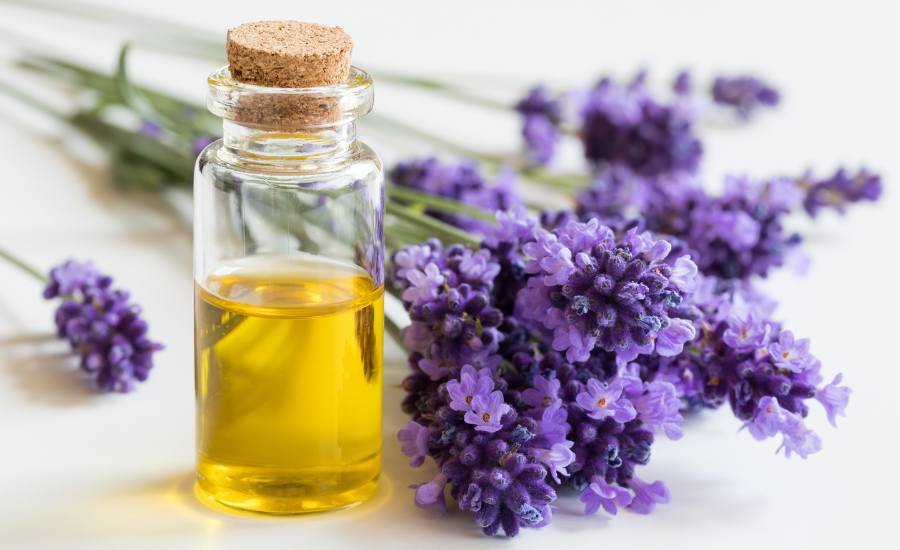
Excess sebum weighs down hair and makes it greasy the day after shampooing. Conversely, a lack of sebum dries out the hair fiber and causes itching. Several essential oils naturally regulate sebum production.
Ylang-ylang essential oil is the most effective for regulating sebum, thanks to its purifying and antioxidant properties. It also combats free radicals responsible for premature scalp aging. For very oily hair, citrus essences (lemon, bergamot, grapefruit) and Atlas cedar essential oil are particularly suitable: their lipolytic properties dissolve the oily film that weighs down the hair. For further advice on oily hair, our article "How to Get Rid of Oily Hair" offers a complete routine.
Which essential oils are effective against dandruff and irritations?
Dandruff is caused by the overgrowth of a fungus naturally present on the scalp, Malassezia, which is exacerbated by excess sebum or an irritated scalp. Antiseptic, antibacterial, and antifungal essential oils offer an effective natural solution.
Tea tree essential oil is the gold standard for natural antifungal treatments for the scalp: several studies have documented its effectiveness against Malassezia. Palmarosa essential oil complements this action with its antibacterial and moisturizing properties. In cases of irritation or itching without visible dandruff, true lavender essential oil is more suitable: soothing and healing, it calms sensitive scalps. To understand the origin of dandruff and choose the appropriate treatment, our article"Where Does Dandruff Come From?" provides a comprehensive overview.
Which essential oils stimulate hair growth?
Hair growth depends largely on the vascularization of the scalp: the more blood flows to the hair follicles, the more nutrients necessary for keratin synthesis are available. Several essential oils act as natural vasodilators.
Peppermint essential oil is the most well-documented for stimulating scalp microcirculation: a study published in Toxicological Research (2014) showed that it significantly increased the thickness and number of hair follicles. Rosemary cineole essential oil is also very effective—a 2023 study published in Skinmed even showed results comparable to minoxidil (the gold standard medical treatment for hair loss). Ginger essential oil and black pepper round out this selection with their vasodilating and toning properties. For practical advice on stimulating hair growth, our article "5 Tips to Promote Hair Growth" offers a complete routine.
Which essential oils are effective against hair loss?
Hair loss can have many causes: stress, nutritional deficiencies, hormonal imbalances, and genetic factors. Essential oils do not treat the underlying causes, but they can strengthen the hair follicle and tone the scalp to limit hair loss.
Atlas cedar is the aromatherapy benchmark for hair loss: it tones the scalp and stimulates capillary circulation. Himalayan spikenard acts on the scalp's hormonal regulation and strengthens the roots. Cajeput , with its stimulating properties, effectively complements these two oils. In cases of stress-related hair loss, our article "How to Slow Down Stress-Related Hair Loss" offers comprehensive approaches that include stress management.
Which essential oils will make your hair shine?
Hair shine depends on the condition of the cuticle scales: tightly closed and smooth, they reflect light well; open and damaged, they diffuse it and give a dull appearance. Certain essential oils tighten the scales and restore natural shine.
Ylang Ylang III and Rosemary Cineole essential oils are ideal for dull hair. It's also possible to adapt the choice to the hair color: Matricaria Chamomile essential oil revives the golden highlights of blonde hair, while Cinnamon essential oil (to be used very diluted — max 0.5% — as it is very caustic to the skin) enhances brown and chestnut shades.
How to use essential oils on hair?
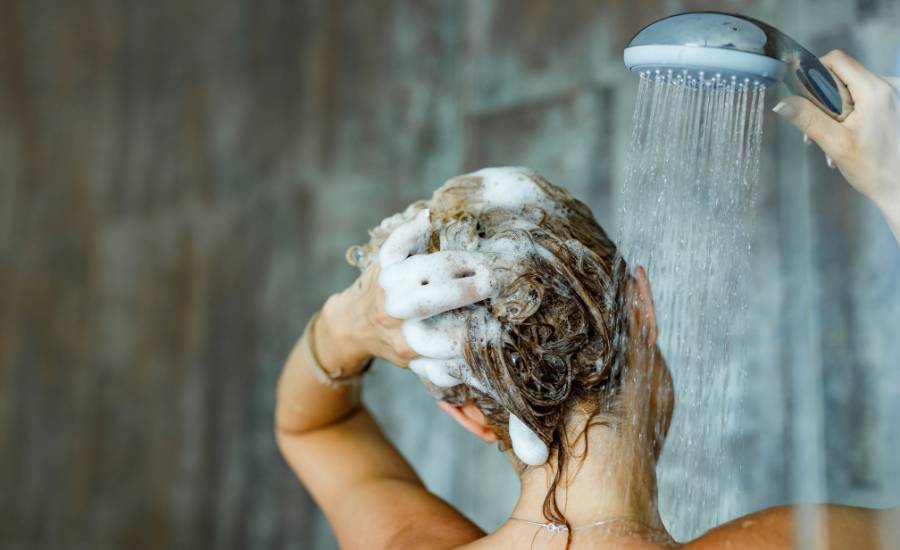
Essential oils should never be applied undiluted to the scalp: if too concentrated, they can cause burns, irritation, or allergic reactions. They must always be diluted in a carrier oil—a vegetable oil—at a maximum concentration of 2 to 3% (approximately 10 to 15 drops per 30 ml of vegetable oil).
As a pre-shampoo oil treatment: mix one tablespoon of a carrier oil suited to your hair type with 5 to 10 drops of an essential oil chosen according to your specific needs. Apply to your entire hair and scalp, massaging for 5 minutes. Leave on for at least 30 minutes (ideally several hours under a warm towel). Rinse with a gentle shampoo to remove any residue. To choose the carrier oil best suited to your hair type, our article on the best carrier oils for hair will guide you.
Adding it to your shampoo: Add 5 to 10 drops of essential oil to your usual 200ml bottle of shampoo and shake before each use. This is the simplest way to incorporate essential oils into your daily routine.
Important precautions: Essential oils are contraindicated for pregnant or breastfeeding women, children under 12 years of age, and people with epilepsy, asthma, or a history of skin allergies. Always perform a skin test (a few drops diluted in the crook of the elbow, wait 24 hours) before first use.
Frequently asked questions about essential oils for hair
Which essential oil can help hair grow faster?
Peppermint essential oil is the best documented for stimulating scalp microcirculation and accelerating hair growth. Rosemary cineole essential oil (CT cineole) is often combined with it for a synergistic effect. Diluted to 2% in castor oil (itself known to promote hair growth), they form the most effective duo.
Can essential oils replace medical treatment for hair loss?
No. Essential oils can support scalp health and reduce hair loss caused by external factors (stress, mechanical damage), but they do not treat medical causes (androgenetic alopecia, alopecia areata, severe deficiencies). In cases of significant hair loss, a dermatologist consultation is essential.
Can essential oils be used every day?
No. A weekly oil treatment is sufficient and recommended. Intensive daily use can saturate the scalp and, paradoxically, weigh down the hair. Adding it to your shampoo (diluted in 200 ml) can be done safely with every wash if the product is properly diluted.