
The human body has approximately 400 joints, which are constantly used throughout the day. From around the age of fifty, the aging of cartilage and joint tissues can make these joints painful. Joint pain is one of the most common health problems, and several natural approaches can effectively relieve it in addition to medical care.
What are the causes of joint pain?

Older people, those who are overweight, or those who engage in intensive sports are most affected. Osteoarthritis is the most common cause: it corresponds to the progressive wear and tear of articular cartilage. Arthritis refers to joint inflammation or infection, acute or chronic (rheumatoid arthritis, spondyloarthritis). Joint pain can also occur after an injury, tendinitis, or as part of certain illnesses (gout, Chikungunya, influenza).
How to recognize joint pain?
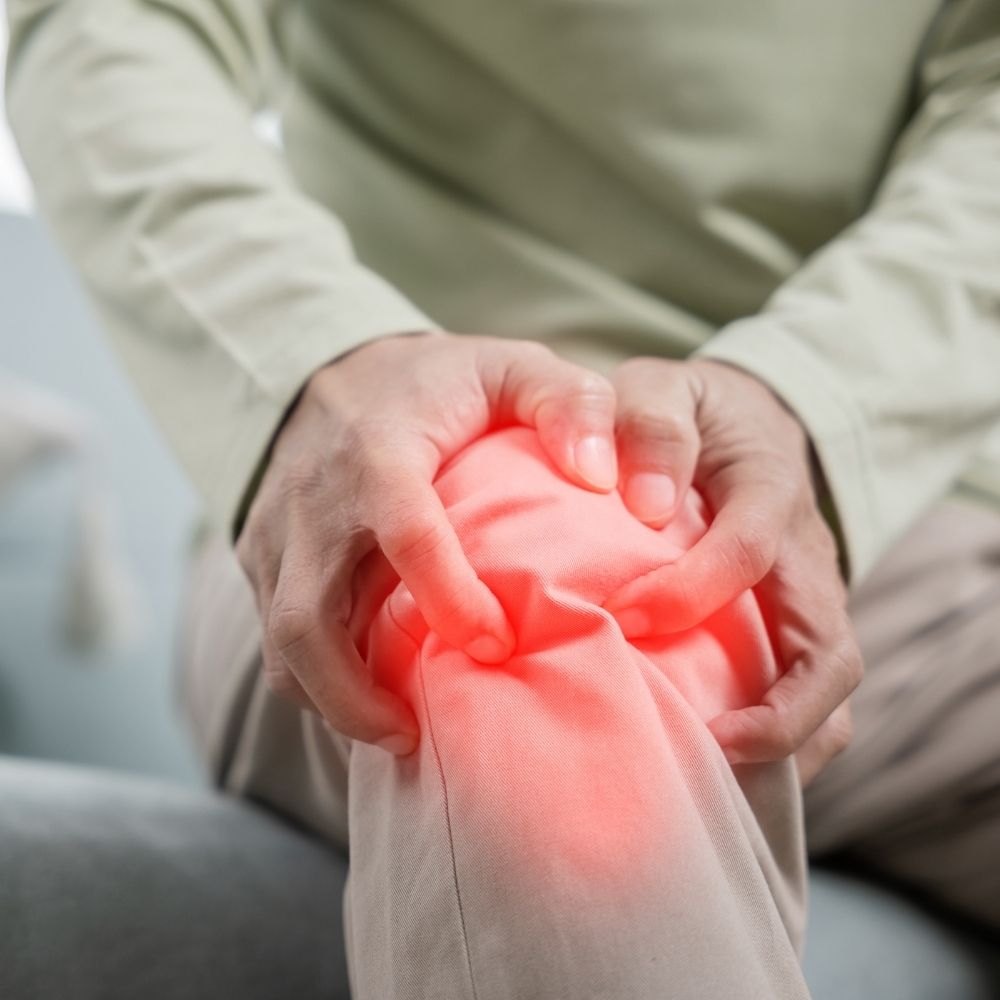
Symptoms vary depending on the cause, but the most common are: pain upon movement or at rest, morning stiffness, swelling or redness of the joint, and reduced range of motion. Pain is often more intense in the morning upon waking. Severe, recurring pain, accompanied by fever or fatigue, warrants immediate medical attention.
Natural remedies to relieve joint pain
These natural approaches can complement medical treatment or help manage mild to moderate pain. They do not replace a medical diagnosis.
Ginger infusion
Ginger is one of the best natural anti-inflammatories. Its gingerols and shogaols inhibit the same inflammatory pathways as some nonsteroidal anti-inflammatory drugs (NSAIDs). To make an infusion, boil a few slices of fresh ginger in water for 15 minutes. Drinking 2 to 4 cups a day may reduce pain and inflammation associated with arthritis, according to studies published in Arthritis & Rheumatology . Not recommended for pregnant women or people taking blood thinners.
Turmeric
Curcumin, the active ingredient in turmeric, is a powerful anti-inflammatory whose effectiveness in relieving joint pain has been documented by numerous clinical studies, particularly for osteoarthritis of the knee. It can be consumed in powder form in food (combined with black pepper to improve absorption) or in capsules. It is not recommended for pregnant women or people taking anticoagulants or with liver or gallbladder disease.
Green or red clay
Clay has analgesic and muscle-relaxing properties due to its thermal and remineralizing effects. Prepare a paste by mixing green or red clay with warm water, apply it to the painful area, and leave it on for 2 to 3 hours. Avoid use by pregnant women and children.
Lemon eucalyptus essential oil
Lemon eucalyptus essential oil contains citronellal, which has recognized anti-inflammatory properties for joint pain. Apply 4 drops diluted in a carrier oil and massage into the painful joint. Not recommended for pregnant women or children under 12 years of age.
Meadowsweet
Meadowsweet contains salicylic acid derivatives (the same as in aspirin) which give it recognized analgesic and anti-inflammatory properties. It is particularly recommended for rheumatism and joint pain. To make an herbal tea, infuse a few dried leaves in hot water. Contraindicated for people allergic to aspirin, pregnant women, and children.
Baking soda bath
Baking soda has a relaxing and anti-inflammatory effect in the bath. Pour 4 tablespoons into your bathwater and soak for about 30 minutes. Do not rinse afterward to preserve its effects. Avoid if you have high blood pressure (due to its high sodium content), are pregnant, or are a child under 5.
CBD
CBD acts on CB2 receptors in the endocannabinoid system, which are involved in modulating inflammation and pain. Preliminary studies suggest it may help reduce chronic joint pain, particularly in arthritis. Its use in sublingual oil, with formulas enriched with anti-inflammatory herbs (bay laurel, peppermint), offers an interesting complementary approach. To understand its mechanism of action, our article on the benefits of CBD oil presents the available data. For adults only; not recommended for those taking anticoagulants without medical advice.
Diet and joint pain
Diet plays a significant role in joint inflammation. Foods rich in omega-3 fatty acids (oily fish, nuts, flax seeds) have a documented anti-inflammatory effect. Antioxidants (colorful fruits and vegetables, berries) reduce oxidative stress, which is responsible for cartilage degradation. Conversely, refined sugars, alcohol, and saturated fats promote systemic inflammation. Maintaining a healthy weight is also essential: every kilogram lost significantly reduces the load on weight-bearing joints (knees, hips).
Frequently asked questions about joint pain
What is the difference between osteoarthritis and arthritis?
Osteoarthritis is a degenerative disease of the cartilage linked to aging and wear and tear. It is initially non-inflammatory but can lead to secondary inflammation. Arthritis refers to joint inflammation, often of autoimmune (rheumatoid arthritis) or infectious origin. Osteoarthritis is very common after age 50; arthritis can affect people of all ages.
Is ginger as effective as a drug-based anti-inflammatory?
For mild to moderate pain, ginger can produce effects comparable to low doses of ibuprofen, according to some studies. Its action is more gradual and less potent than NSAIDs for acute attacks. It is particularly beneficial for long-term daily use, with a better digestive tolerance profile than conventional anti-inflammatories.
Should you apply heat or cold to a painful joint?
Cold (ice cubes wrapped in a cloth) is recommended for acute and inflammatory pain (swelling, redness, heat) to reduce inflammation. Heat (a warm compress) is better suited for chronic pain and stiffness without active inflammation, as it promotes blood circulation and relaxes the surrounding muscles. If in doubt, cold is safer in the first 48 hours after a painful flare-up.