
How many hours of sleep do you really need? The answer varies depending on age, genetics, and lifestyle. There is no universally recommended amount, but rather ranges suggested by sleep experts, based on studies focusing on cognitive, cardiovascular, and metabolic health.
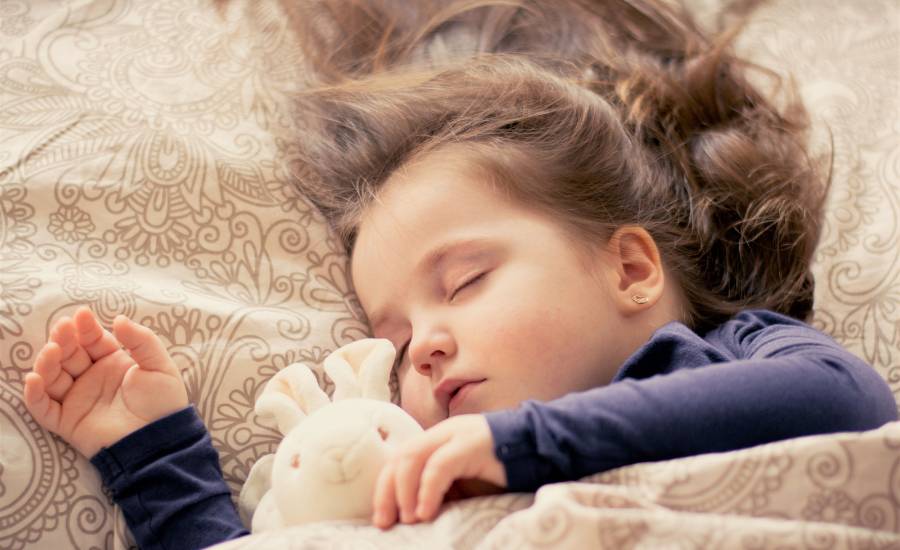
Recommended sleep duration according to age
Infants (0-2 years)
An infant needs 11 to 17 hours of sleep per day. Their sleep cycle lasts approximately 50 minutes (compared to 90 minutes in adults) and alternates between active sleep (movements of limbs and eyelids) and quiet sleep. Around 3 months of age, these two phases gradually evolve into the REM sleep and slow-wave sleep characteristic of the adult sleep cycle .
Children (3-12 years old)
Children need 9 to 13 hours of sleep. This amount is non-negotiable: during sleep, growth hormone secretion peaks, the brain consolidates school learning, and cognitive and motor skills develop. A child chronically sleep-deprived experiences difficulty concentrating, hyperactivity, and emotional problems.
Teenagers (13-17 years old)
Teenagers need 8 to 10 hours of sleep. Their biological clock is naturally shifted towards later hours (later bedtimes and wake-up times), which explains their difficulty getting up in the morning. This shift is physiological and not a matter of willpower. The sleep debt accumulated during the school week has documented effects on their cognitive performance and mood.
Adults (18-64 years old)
For an adult, the recommended amount of sleep is 7 to 9 hours per night. Chronically getting less than 6 hours significantly increases the risks: cardiovascular disease, type 2 diabetes, obesity, depression, and a weakened immune system. The optimal amount of sleep for each individual is the amount that allows them to wake up feeling refreshed and get through the day without daytime sleepiness.
Older people (65 years and over)
Sleep requirements decrease slightly with age, generally to between 7 and 8 hours. Deep sleep becomes shorter, the time it takes to fall asleep increases, and nighttime awakenings become more frequent. Short naps in the early afternoon can compensate for this lighter nighttime sleep without disrupting the evening sleep cycle.
How can you tell if you're getting enough sleep?
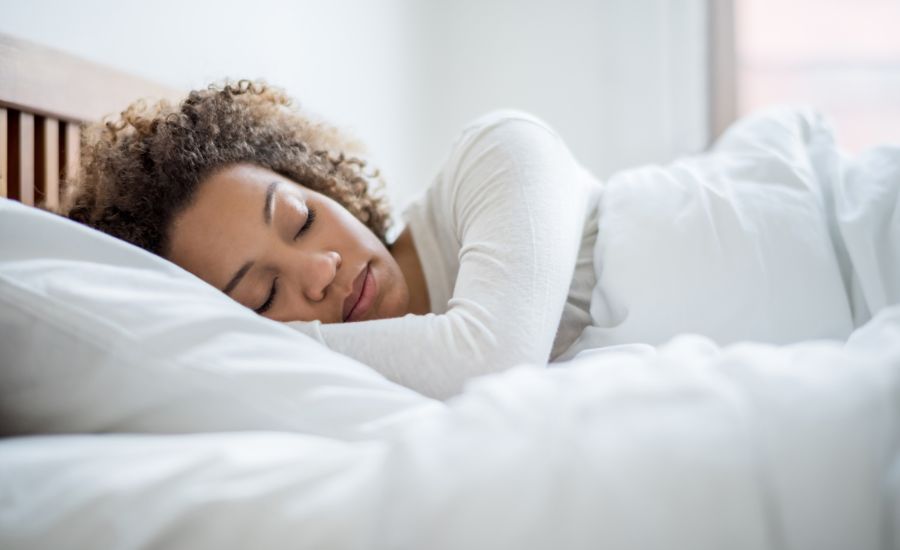
Sleep duration alone is not enough to assess sleep quality. Ask yourself these three questions: Do you feel refreshed upon waking, or tired? Do you experience periods of drowsiness during the day, particularly in the mid-afternoon? Do you have difficulty concentrating or maintaining your attention? If most of the answers are yes, your sleep is probably insufficient or of poor quality.
Quality trumps quantity: 6 hours of deep, uninterrupted sleep are more restorative than 9 hours of light sleep punctuated by awakenings. Stress is the primary cause of non-restorative sleep : it keeps the nervous system in a state of alert and prevents deep sleep phases from fully establishing themselves.
Tips for optimizing sleep duration and quality
A light dinner promotes sleep: heavy meals raise body temperature and slow digestion, two factors that delay sleep. Avoid caffeine, alcohol, and stimulants after 5 p.m. Avoid intense physical activity within three hours of bedtime: an elevated heart rate and body temperature delay sleep onset. However, yoga or meditation in the evening are beneficial.
The bedroom should be cool (16-18°C), dark, and quiet. Good bedding suited to your body type is an investment directly linked to sleep quality. Regular bedtimes and wake-up times, even on weekends, stabilize your circadian rhythm and gradually improve your ability to fall asleep. For a comprehensive program, our article on tips for sleeping well compiles the most effective habits.
Frequently asked questions about sleep duration
Are there such things as natural "short sleepers"?
Yes. A rare genetic mutation (DEC2 gene) allows some people to function perfectly well on 4 to 6 hours of sleep without any negative health effects. These truly short sleepers represent less than 3% of the population. Most people who boast about not sleeping enough are actually accumulating a chronic sleep debt, the effects of which are not always consciously perceived.
Can you die from lack of sleep?
Total sleep deprivation leads to death within weeks, as shown in animal studies. In humans, fatal familial insomnia, an extremely rare neurodegenerative disease, causes total sleep deprivation resulting in death. Under normal conditions, chronic sleep deprivation increases the risk of fatal illnesses (heart attack, stroke, cancer) without directly causing death.
Should we sleep more in winter than in summer?
The body's biological clock is sensitive to daylight. In winter, the reduced hours of sunlight can slightly increase the need for sleep (15 to 30 minutes on average). This is a natural phenomenon linked to the longer secretion of melatonin. Forcing the body to maintain the exact same schedule all year round without adjustment is a contributing factor to seasonal fatigue.