
Our body, or more precisely our immune system, is extremely dependent on our overall health, that is, the state of our physiological defenses, which are themselves primarily responsible for our well-being. But did you know that certain vitamins have properties that act directly on our immune system, on its maintenance, strengthening, or even optimization?
The immune system
Our immune system functions as a kind of large self-defense, surveillance and control system for our body and organism against the aggressions it faces on a daily basis.
It is composed of a complex and extensive network of various regulatory bodies or which can serve as "alerts" in order to warn of a malfunction, a deficiency or even an attack by pathogens.
The most important and influential are the lymphatic system, the thymus, the bone marrow, the spleen, the intestines, the skin, the mucous membranes, the immune cells, etc… All these agents of the body fight daily against bacteria, microbes, viruses, parasites, infections, viral (or other) diseases, etc…
Several factors contribute to weakening our immune system and exacerbating this loss of protection. These include various forms of stress, lack of physical activity, work-related overwork, lack of sleep, nutritional deficiencies and dehydration, alcohol consumption, smoking, excessive sugar intake, and more.
It is therefore crucial to maintain a sufficiently strong immune system to cope with all these external threats. A healthy diet, thanks to its vitamins and nutrients, already allows us to replenish our trace elements, strengthen, or even boost our defenses and immunity.
The main vitamins and minerals and their powers
Vitamin A is a fat-soluble vitamin that primarily contributes to maintaining healthy skin and mucous membranes, as well as strengthening the anatomical barriers of the non-specific immune system. It is found in dairy products, fruits, and vegetables.
Vitamin D, often called the "sunshine vitamin," plays a role in cell division in the body, as well as in the activation and response of white blood cells. It is found in foods such as fish, avocados, and mushrooms.
Vitamin C is a vitamin involved in many bodily processes to contribute to its normal functioning. It plays a key role in the body's recovery after intense or prolonged physical exertion. It is found in fruits and vegetables, particularly potatoes.
Vitamin B is a vitamin that regulates specific immune defenses. More specifically, vitamin B6 helps strengthen the immune system, while vitamin B9 (folic acid) and vitamin B12 contribute significantly to normal blood production. These vitamins are found in dairy products, meat, fish, and other animal products.
Iron is a component of many enzymes and protein complexes that contributes to the normal function of the immune system. In particular, it helps reduce the number of active macrophages and antibodies in the body. It is found in cereals, nuts, meat, and certain vegetables.
Copper is a trace element that contributes to the proper functioning of the immune system. In fact, it plays a role in the cell-mediated immune response. It is found in crustaceans, legumes, whole grains, nuts, cocoa, etc.
Selenium is a trace element that contributes to the normal function of the immune system. In fact, it produces and stimulates the production of antibodies. It is found in foods such as meat, fish, legumes, nuts, etc.
Zinc is a mineral that helps regulate metabolic processes in the body, as well as the immune response. It is found mainly in meat, eggs, dairy products, whole grain products, nuts, oilseeds, etc.
Dietary supplements
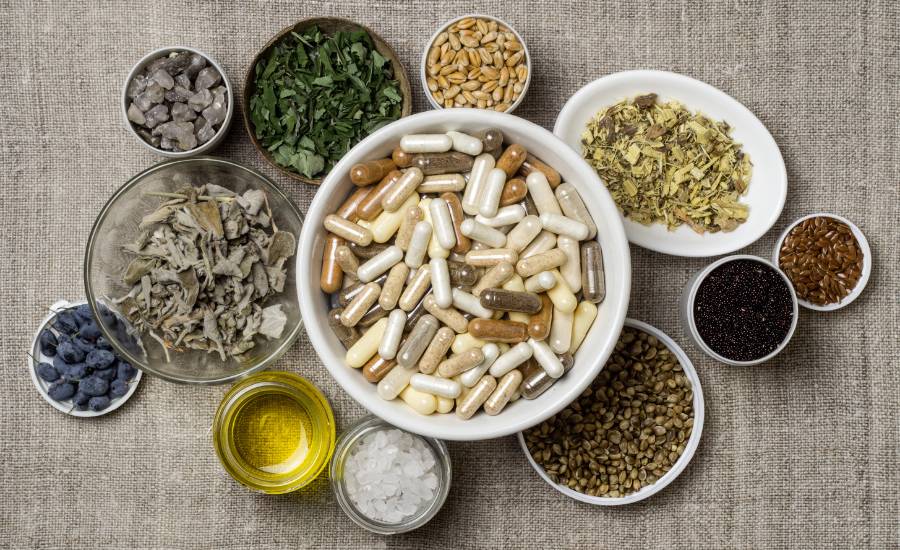
Many dietary supplements today are composed of a blend of vitamins, minerals, and trace elements designed to effectively support the immune system. Among them, magnesium plays a vital role: it helps reduce fatigue, contributes to proper muscle and nerve function, and is key to maintaining natural defenses .