
Today, stress has become a common ailment affecting a large number of people. Whether it stems from work, relationships, finances, or studies, stress, particularly emotional or physiological stress, has a significant impact on our quality of life. To preserve your mental and physical health, it's essential to adopt simple and accessible stress-relieving activities. Discover in this article the 7 best methods to reduce daily stress and regain calm and energy.
1 – Engage in physical activity
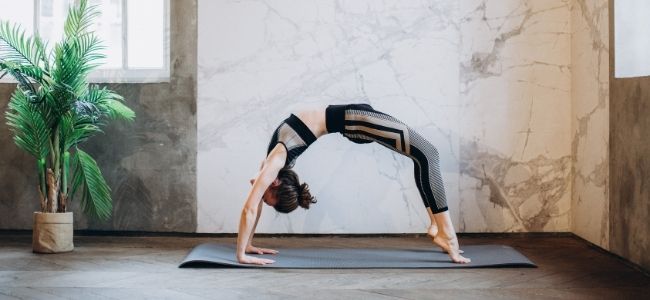
Sport is undoubtedly one of the most effective ways to combat stress. Indeed, engaging in regular physical activity allows you to:
- Releasing endorphins : These feel-good hormones reduce anxiety and provide a feeling of pleasure.
- Boosting mental and physical health : A 30-minute session per day improves blood circulation, stimulates the immune system and increases self-esteem.
- Reduce muscle tension : Exercise helps to release tension accumulated throughout the day.
Among the sports most appreciated for their stress-relieving benefits, yoga stands out in particular. By combining postures, breathing, and meditation, it offers a holistic approach to calming the mind and body.
2 – Do some coloring
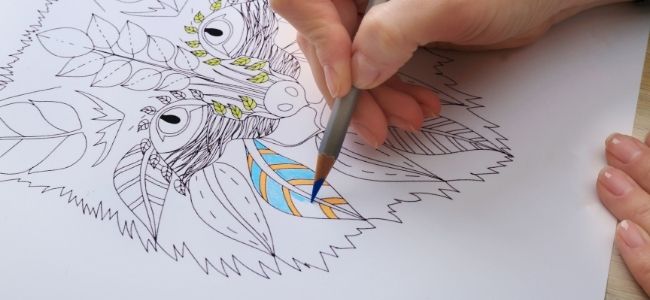
Another fun and creative method, coloring is an activity accessible to everyone that allows you to refocus and soothe anxiety. By concentrating on patterns or drawings to color, you can help release negative thoughts.
The benefits of anti-stress coloring:
- Anxiety reduction : Focusing on details helps to distract the mind from daily worries.
- Stimulating creativity : By giving free rein to your imagination, you strengthen your ability to find solutions to problems.
- Accessibility for all : Many coloring books, suitable for both children and adults, are specially designed to promote relaxation.
3 – Perform breathing exercises

Controlled breathing is an essential tool in the fight against stress. Available at any time, this exercise allows you to:
- Calming anxiety : By focusing on breathing, the body releases relaxing hormones that soothe the nervous system.
- Eliminating toxins : Deep breathing helps to expel accumulated metabolic waste.
- Improving sleep quality : Good breathing management promotes restful and regular sleep.
Example of a simple breathing exercise:
- Sit comfortably and place your hands on your stomach.
- Inhale slowly through your nose for about three seconds while expanding your belly.
- Hold the air in your lungs for twelve seconds.
- Exhale through your mouth for six seconds, making sure to completely empty your lungs.
Repeat this exercise several times to quickly feel its calming effects.
4 – Meditate to calm the mind
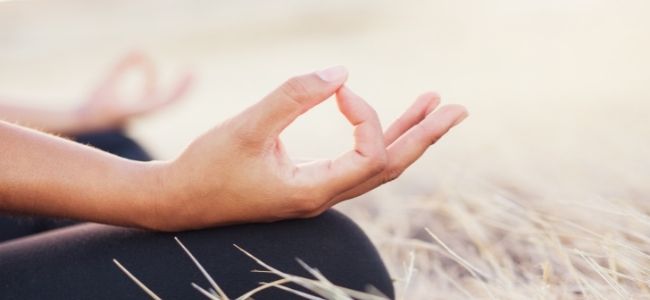
Meditation is an ancient practice recognized for its relaxing and stress-relieving benefits. Although it requires a certain amount of concentration, its benefits are well worth the effort.
- Stress reduction : Meditation allows you to detach yourself from negative thoughts and find inner peace.
- Improved concentration : By training regularly, you strengthen your ability to concentrate and manage emotions.
- Boosting creativity and self-esteem : A calm mind is better able to innovate and make informed decisions.
To begin, find a quiet place, sit cross-legged, straighten your back, close your eyes, and focus on your breathing. Even a few minutes a day can transform your daily life.
5 – Have fun with puzzles

Puzzles aren't just for children; they're also an excellent stress-relieving activity for adults. By immersing yourself in solving a puzzle:
- You stimulate your brain : This activity engages several areas of the brain, improving memory, concentration and logic.
- You step away from screens : In a world saturated with technology, a puzzle provides a welcome break.
- You reduce tension : By focusing on a specific and fun task, you push away stressful thoughts and promote relaxation.
6 – Listen to soft music

Music has an undeniable calming power. Listening to soft, relaxing pieces can instantly transform your state of mind:
- Reduction of stress hormones : Music helps to reduce levels of cortisol, the stress hormone.
- Heart rate regulation : A soothing melody slows the heart rate and induces deeper breathing.
- Creating a relaxing atmosphere : Settle in comfortably, close your eyes and let yourself be carried away by the sounds for a moment of pure relaxation.
For optimal effect, create a personalized playlist of soothing music and use it during your relaxation time or before going to sleep.
7 – Taking a walk in nature

Finally, one of the most effective stress-relieving activities remains a walk in nature . Getting out of the house and enjoying the benefits of nature offers numerous advantages:
- Stress and anxiety reduction : The natural environment has a calming effect on the brain, helping to reduce accumulated tension .
- Boosting vitality : A walk in the forest, by the sea or in a park helps to revitalize the body and mind.
- Connecting with oneself : Contact with nature allows one to refocus, to meditate while walking and to appreciate the present moment.
It is recommended to take at least one walk per week to fully benefit from these positive effects.
Adopting simple and varied stress-relieving activities and not neglecting sleep is essential for improving your quality of life and strengthening your mental and physical health. Whether you choose to play sports , meditate, or immerse yourself in nature, the important thing is to find what works best for you to reduce stress, decrease anxiety , and regain serenity. Integrate these 7 methods into your daily routine and rediscover the pleasure of living without stress.
Natural supplements to support anti-stress activities
Stress-relieving activities are more effective when combined with proper nutrition. Certain dietary supplements can enhance the effects of relaxation techniques by acting directly on the nervous system.
Supplements made with standardized saffron have health claims validated by the EFSA for their contribution to emotional and nervous system balance. Combined with vitamin B6, which contributes to the normal functioning of the nervous system, they represent a valuable complementary approach for people experiencing chronic stress. Our article on saffron and well-being details its mechanisms of action.
Magnesium bisglycinate is particularly suitable for people whose stress manifests physically as cramps, muscle tension, or palpitations. Finally, multi-plant complexes combining rhodiola, ashwagandha, and passionflower are suitable for those seeking long-term adaptogenic action. These supplements do not replace stress-management activities but enhance them for more lasting results.