
CBD oil is currently the most consumed cannabidiol-based product in France. Natural, versatile, and easy to dose, it appeals to people thanks to its high bioavailability and ease of use. But what exactly is CBD? How is the oil made? Which formula should you choose, and how can you use it effectively? Here's everything you need to know.
What is CBD?
CBD (cannabidiol) is a natural molecule extracted from the flowers of the Cannabis sativa plant, commonly known as hemp. It belongs to the cannabinoid family, just like THC, but their effects on the body are radically different. Unlike THC—the psychoactive molecule in cannabis, which is illegal in France—CBD does not produce a "high," does not alter consciousness, and is not addictive. Its consumption is legal in France, provided that the maximum THC content in commercial products is respected.
CBD acts primarily through the endocannabinoid system, a network of receptors (CB1 and CB2) present throughout the body and involved in regulating stress, pain, sleep, and mood. It is classified as a "Novel Food" in Europe: no official health claims have yet been validated by the relevant authorities.
How is CBD oil made?
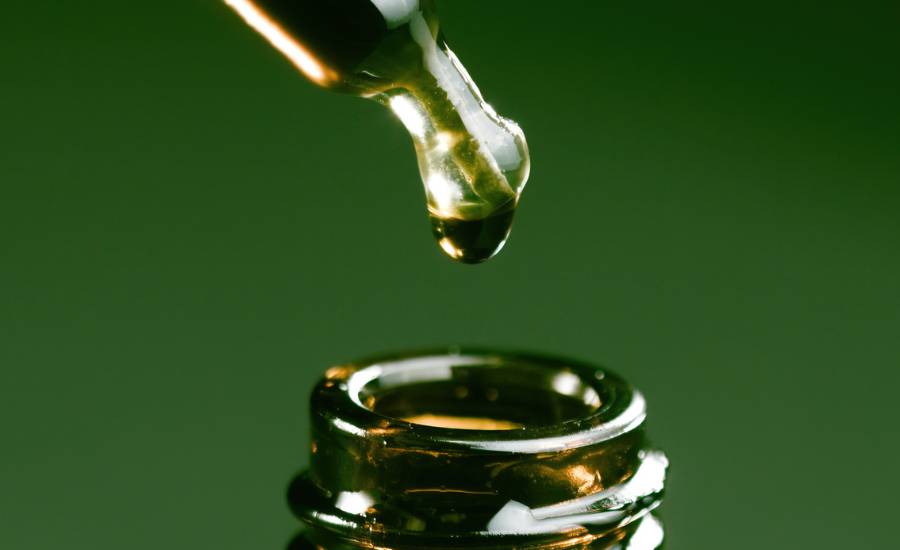
The production of CBD oil is based on two steps: the extraction of cannabidiol from hemp flowers, then its dilution in a carrier vegetable oil.
The extraction method directly impacts the product's quality. Supercritical CO2 extraction is the gold standard: it uses pressurized carbon dioxide to extract cannabinoids without chemical residue, preserving the full terpene profile. This is the technique used by reputable manufacturers. Ethanol extraction is more readily available but can leave a more bitter taste. Chemical solvents should be avoided for regular use.
The carrier vegetable oil influences digestive tolerance and bioavailability: avocado oil and sweet almond oil are generally better tolerated than refined coconut oil (MCT) in people with sensitive digestive systems.
Full spectrum, broad spectrum or isolate?
The type of extract determines the oil's action profile:
- Full spectrum: Contains all the cannabinoids naturally present in hemp, including a trace of THC (less than 0.3%). The synergy between the components—the "entourage effect"—can amplify the effects of CBD.
- Broad spectrum: same profile as full spectrum but without THC. Recommended for people subject to doping tests or wanting zero THC, while still benefiting from the entourage effect.
- CBD isolate: 99% pure CBD, with no other cannabinoids. More limited action profile, but an interesting option for precise dosage control.
For most users, a broad-spectrum CBD oil certified by an independent laboratory offers the best efficacy/safety ratio. To learn more about choosing an oil suited to your needs, our article "Which CBD Oil to Choose" details all the essential criteria.
How to consume CBD oil?
The sublingual route (recommended method)
Place the drops directly under your tongue and hold them there for 60 seconds before swallowing. The sublingual mucous membranes absorb the CBD directly into the bloodstream, bypassing the digestive system. Effects are felt within 15 to 45 minutes, with an estimated bioavailability of 20-35%. This is the most effective method. To understand precisely why, our article "Why Take CBD Oil Under the Tongue" explains the pharmacological mechanisms in detail.
Incorporation into food and beverages
The drops can be added to a warm drink or food to mask the bitterness of CBD. Bioavailability is reduced (6-19%) because CBD passes through the liver before reaching the bloodstream. Effects are felt within 1 to 2 hours. For cooking ideas, see our article on how to cook with CBD oil .
Topical application
The oil can be applied directly to a painful area for local action on CB2 receptors in peripheral tissues, without systemic effects. It can be used in conjunction with sublingual administration for joint or muscle pain.
Note: CBD oils are not designed for vaping. Only e-liquids specifically formulated for this purpose are suitable for inhalation.
What dosage should I choose?
There is no universal dosage. The effective dose varies depending on weight, individual sensitivity, oil concentration, and the desired outcome. A gradual approach is always recommended: start with 5 to 10 mg per day, maintain this dose for one to two weeks, then increase in 5 mg increments. Do not exceed 50 mg daily without medical advice.
For a detailed guide on calculating the number of drops based on your oil's concentration, see our article "How Many Drops of CBD Oil to Take ." And to choose the best time of day, our guide on when to take CBD will help you determine the best time based on your goals.
If you are taking medication, consult your doctor before using CBD. It is not recommended for pregnant or breastfeeding women. For regulatory information, ANSES publishes reference information on cannabidiol .
Frequently asked questions about CBD oil
Is CBD oil a medicine?
No. CBD oil is classified as a food supplement in France, not as a medicine. It does not have any official health claims and does not replace prescribed medical treatment. The only CBD-based medicine reimbursed in France is Epidiolex, prescribed for certain rare forms of epilepsy, by a specialist prescription.
Does CBD oil have the same effect as cannabis?
No. CBD does not contain enough THC to produce psychoactive effects. It does not alter consciousness, cause euphoria, or create addiction. This fundamental difference from THC is what makes its consumption legal in France.
What is the difference between CBD oil and CBD gummies?
Both contain CBD but differ in their absorption. Sublingual oil offers the highest bioavailability (20-35%) and the fastest onset of action (15-45 minutes). Gummies pass through the digestive system (bioavailability 6-19%, onset of action 1-2 hours) but offer a fixed and convenient dosage. To compare all available forms, our comparative article on the different ways to consume CBD provides a comprehensive overview.
Updated June 2026: As of May 15, 2026, CBD products intended for ingestion (oils, gummies, candies, infusions, food supplements) are no longer authorized for sale in France under the European Novel Food Regulation. An appeal is currently pending before the Council of State; this article will be updated depending on the outcome.
Sources
- Millar SA et al. (2019). A Systematic Review on the Pharmacokinetics of Cannabidiol in Humans. Frontiers in Pharmacology, 10:1365.
- ANSES. CBD (cannabidiol). anses.fr
- ANSM. Medical cannabis. ansm.sante.fr