
Today, stress has become one of the major chronic health issues, affecting a large number of people in our society. Several factors can contribute to it, and various approaches now exist to manage it or at least limit its effects. Beyond medical solutions or treatments, there are many simple methods to implement daily. These small, easy-to-adopt actions can significantly alleviate symptoms, lower stress levels, and help restore a sense of calm, peace, and serenity. Are you truly familiar with them?
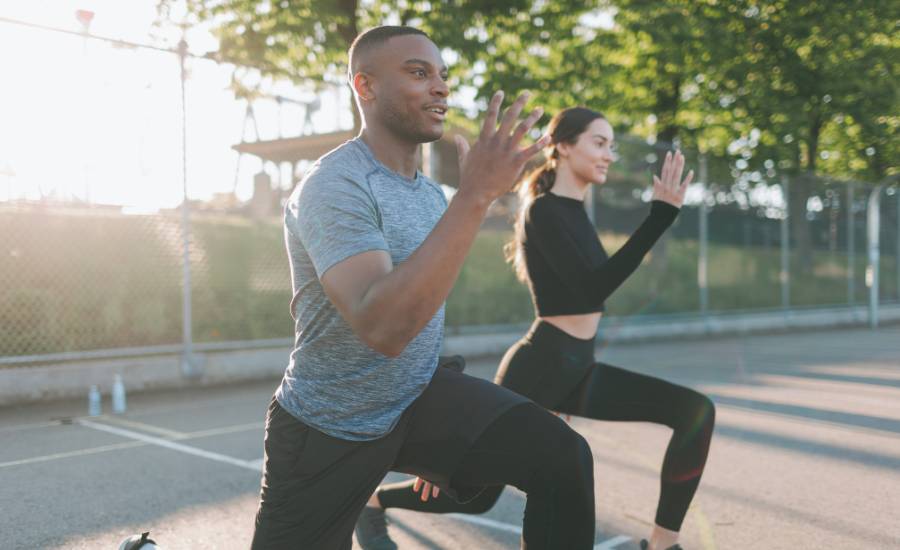
Physical exercises and their benefits
Numerous techniques aim to prevent stress from overwhelming you, to regain control, and to gain enough perspective to be less affected in the long term. Many of these techniques resemble genuine therapies, designed to better manage anxiety, reduce it, confront it, or even free yourself from it completely. The idea is to favor natural, non-medical approaches focused on gentle relaxation methods or physical activities.
-
Walking : It is recommended to go outside for some fresh air and take a short walk, ideally in a green space, and when the weather is pleasant. This activity helps clear the mind, oxygenate the body, release endorphins, and lower cortisol levels, the stress hormone. This effect, called "involuntary attention," combines relaxation and brain stimulation, thus offering mental rest while preventing the stagnation of anxious thoughts.
-
Breathing : Proper oxygenation is crucial, as it regenerates bodily energy. Disciplines such as yoga and certain ancient practices emphasize breath as a vital force. Deep breathing exercises induce immediate relaxation, activating the parasympathetic nervous system over the sympathetic one, resulting in lower blood pressure, a slower heart rate, and a feeling of inner calm.
-
Visualization : Imagining a calm, soothing, and silent scene can have a surprisingly positive effect. By mentally immersing yourself in a relaxing landscape or situation, the brain recreates a feeling of well-being, reducing tension and mental agitation.
-
A calming environment : Living in a serene, safe, and balanced setting can greatly influence stress levels. Introducing houseplants into your living room, reducing screen time, or choosing soft colors for your interior decor are all ways to create a sense of tranquility. Some studies conducted in the United States even show that entering a room filled with houseplants leads to a noticeable decrease in blood pressure.
-
The importance of displays of affection : Demonstrations of love, attachment, and tenderness help the brain relax. Simply verbalizing your feelings or frequently kissing your partner, outside of any intimate context, releases endorphins. This hormonal response soothes the mind, making it easier to sort through emotions and thoughts, and thus reducing the impact of stress.
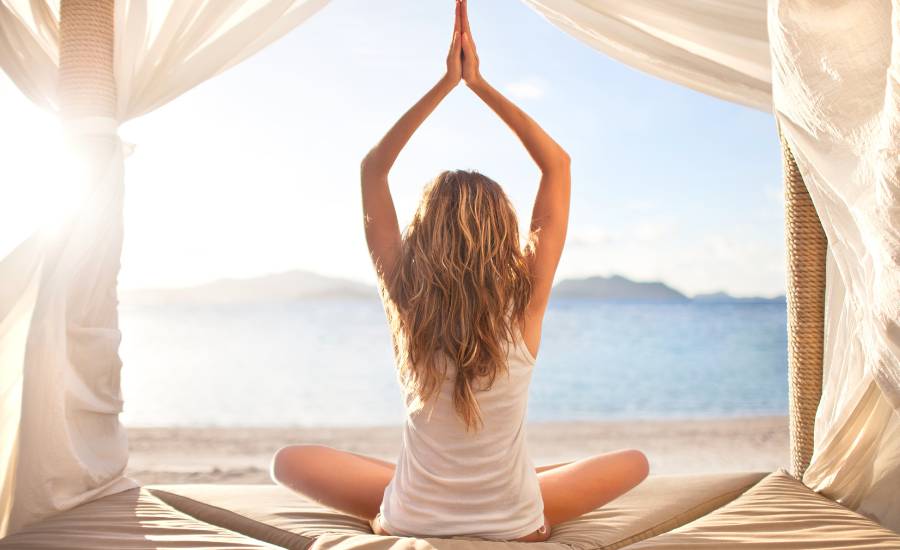
The best anti-stress exercises!
To anticipate, mitigate, and better manage different forms of stress , various strategies can be implemented. These are genuine everyday tools, simple remedies that help to control and overcome anxiety-provoking situations.
-
Stimulating pressure points : Applying light pressure between the second and third knuckles, at the base of the index and middle fingers, provides an instant feeling of calm. This area, connected to certain nerves, promotes relaxation of the heart area and thus alleviates feelings of anxiety, agitation, and internal tension.
-
Listening to relaxing music : Taking a moment to listen to instrumental music (classical, jazz, etc.) in a quiet, slightly darkened space at a comfortable temperature directly influences your heart rate, blood pressure, and the production of stress hormones. The more you enjoy the music, the more dopamine you release and, in some cases, adrenaline, providing a genuine sense of well-being. If a perfectly calm environment isn't possible, simply singing in the shower can help ward off burnout.
-
The immediate energy boost technique : In cases of sudden and intense stress, when you can't use the previous methods, there are quick fixes. Chew gum or quickly consume a source of sugar (a sugary drink, a pastry, a small cake, etc.). This immediate carbohydrate boost provides the brain with the energy needed to mitigate the stress surge until you can fully decompress later.
-
Alternate nostril breathing : Close your left nostril with your ring finger, exhale through your right nostril, then inhale through the same right nostril. Close it again, then exhale through your left nostril. Repeat by inhaling through your left nostril, closing it, and exhaling through your right nostril. Practice this for one to two minutes, ending with a slow exhalation through both nostrils. This technique, rooted in ancient traditions, promotes deep relaxation by rebalancing the nervous system.

Dietary supplements
In addition to a healthy lifestyle, many dietary supplements now help combat stress and prevent its symptoms. They are among the natural solutions (acupuncture, herbal medicine, homeopathy, sophrology, etc.) for coping with all forms of stress, whether chronic, work-related, linked to a specific event, post-traumatic, or of medical origin.
CBD-based stress gummies can also be a very effective natural product for managing daily stress.