
On a daily basis, hair is subjected to numerous aggressions such as pollution, sun exposure, and the use of heated styling tools and harmful products. Nutritional deficiencies, illnesses, and stress can also cause damaged hair.
The hair fiber lacks a natural defense mechanism; when weakened, the hair loses its vitality and strength. The cuticles lift, and the hair becomes dry and brittle. This is what is known as the "split ends" phenomenon; the hair splits, or a white spot typically appears at the tip. The hair fiber is exposed, like a tree that has lost its bark.
When hair is too damaged, it's best to make an appointment with your hairdresser to have all the damaged lengths cut off. Otherwise, split ends can spread further and cause more significant and irreversible damage to the hair.
Here are the best tips to follow to regain healthy, strong hair:
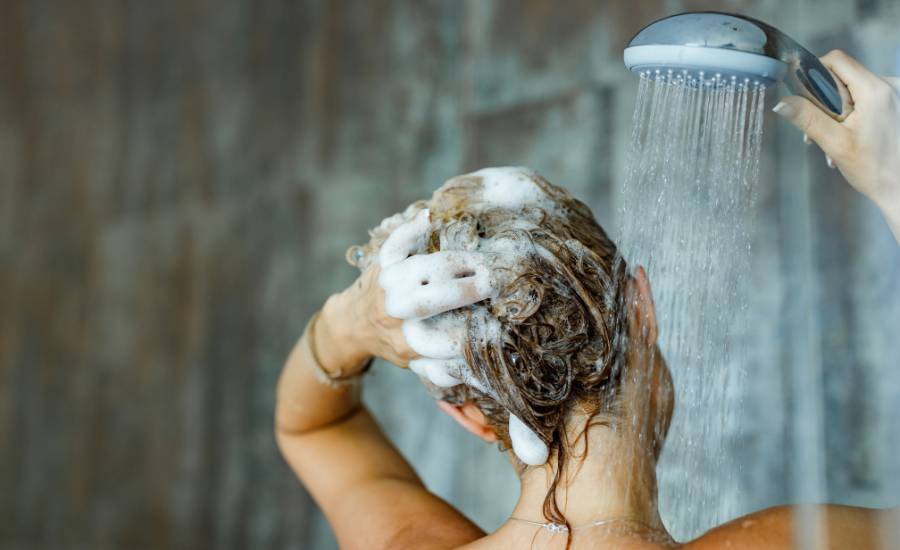
1 – Don't wash your hair too often
It is not recommended to wash your hair too often because the limescale present in the water damages it. Ideally, you should wash it once or twice a week with a gentle shampoo free of harsh chemicals. Products containing surfactants (sulfates), silicones, quaternary ammonium compounds, PEGs, denatured alcohols, synthetic fragrances, and preservatives are chemical and toxic to hair. In the long term, they lead to harmful consequences such as dryness, dull color, or excessive hair loss.
Also, you should avoid washing them with hot water as it irritates and promotes hair breakage.
When rinsing, be sure to remove all shampoo and conditioner residue. This can suffocate the hair shaft, cause itching, or make hair greasy. Rinse thoroughly with clean water several times, finishing with a blast of cold water to close the hair cuticles.
2 – Use treatments and masks to hydrate the hair
When hair is damaged, it's essential to use nourishing and moisturizing treatments to strengthen and protect the hair fiber. These treatments should be natural, preferably organic, unlike some products sold in supermarkets that have a chemical composition that can seriously damage the hair rather than heal it.
An oil bath is the best friend of damaged hair. Indeed, vegetable oils (castor, coconut, avocado, argan, jojoba, etc.) contain beneficial fatty acids and ceramides that nourish and coat the hair fiber.
Masks made with plant-based butters (shea, coconut, almond) are also very effective for repairing damaged hair.
Ideally, doing an oil treatment or hair mask once a week for several months is recommended to restore shine and strength to your hair. The application time can range from 30 minutes to several hours, or even overnight.
Furthermore, to accelerate hair growth and thus restore a healthy hair base, you can perform scalp massages with your fingertips. This helps to relax and promotes blood circulation in the scalp.
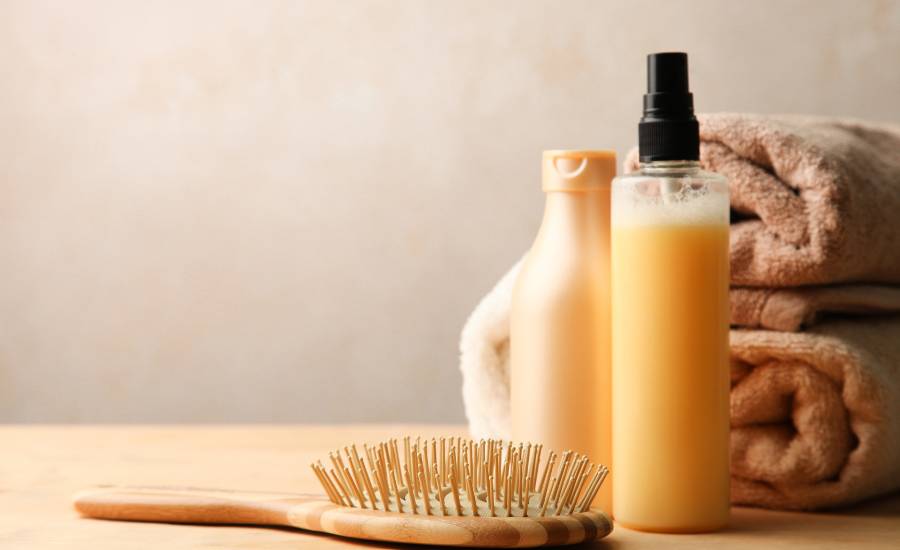
3 – Use good quality, non-aggressive everyday products
Hair care products such as serums, hairsprays, waxes, gels, sprays, and styling mousses should also, as mentioned earlier, be free of chemicals. There is a free app called "Clean Beauty" that allows you to scan the barcodes of beauty products (for hair, skin, or nails) to determine whether they are good or bad for your health.
To avoid further damaging your hair, it is advisable to use a soft bristle brush to style it, sleep on a satin/silk pillowcase to avoid friction, use satin/silk scrunchies to gently tie it up and avoid overly tight hairstyles.
4 – Reduce or even stop the use of heating appliances
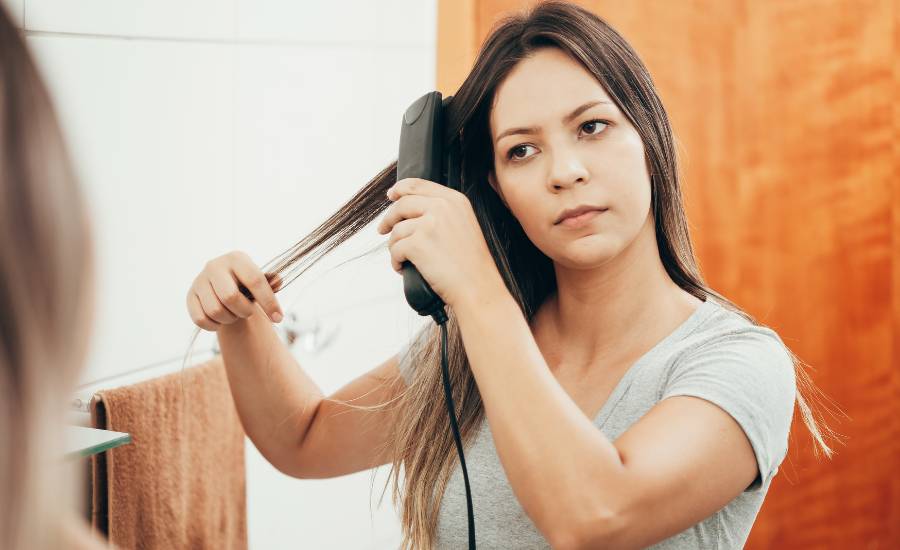
Heat sources such as hair dryers, heated brushes, straighteners, and curling irons damage hair. The heat denatures the hair's molecules, causing breakage. Their use should therefore be limited, especially for those with already weakened hair.
It is best to use your hairdryer on the cool setting, or if possible, leave your hair to air dry.
5 – Improve your diet and take dietary supplements to nourish your hair
To maintain beautiful hair, the secret is to eat a varied and balanced diet. It's important to prioritize foods rich in protein, vitamins (A, C, E, B6, B8, B9, B12), and minerals (zinc, iron, etc.). This promotes keratin production, strengthens the hair fiber structure, and encourages hair growth.
Foods to consume include meat (especially chicken), oily fish, whole grains, dried fruit, and fruits and vegetables without moderation.
In addition, drinking enough water (between 1.5L and 2L) helps maintain a healthy scalp thanks to better blood circulation and therefore promotes good hair growth.
Sometimes, a healthy and balanced diet isn't enough to deeply nourish and repair hair , which is where dietary supplements come in. They are available in various forms: powder, oral solution, capsules, tablets, ampoules, or gummies.
These products should be used as part of a healthy lifestyle. In case of excessive hair loss, it is advisable to consult a doctor who will prescribe a complete blood test to identify any deficiencies or medical conditions affecting hair health.
Continue to maintain healthy hair
Once your hair has regained its shine and strength, you must continue to care for it to prevent split ends or hair loss. Other tips can be adopted to ensure better hair care.
—