
Between 60 and 100 hairs fall out naturally every day—that's normal. What's less normal is when daily habits accelerate this process or weaken the hair fiber: harsh shampoos, excessive heat, a poor diet, chronic stress. The good news: a few simple adjustments are all it takes to transform the condition of your hair. Here's a practical guide to taking care of your hair at every stage.
Knowing your hair type: the starting point
Before investing in hair care products or changing your routine, it's essential to identify your hair type. Fine or thick, dry or oily, straight, wavy, curly, or frizzy: each type has specific needs in terms of washing frequency, care, and products. To learn more about this topic, our article on how to determine your hair type will help you precisely identify your hair care needs.
The hair growth cycle (anagen, catagen, telogen) lasts between 2 and 7 years, depending on genetics and hormonal cycles. Hormonal fluctuations—pregnancy, menopause, intense stress—can disrupt this cycle and cause temporary hair loss. In cases of abnormal and persistent hair loss, a medical consultation with blood tests is recommended to rule out deficiencies in iron, zinc, or B vitamins.
Washing your hair properly: the basic rules
Washing is the most frequent hair care routine and often the most poorly executed. Too frequent, it disrupts sebum production and dries out the scalp. Too infrequent, and it allows pollution, sebum, and styling product residue to accumulate, suffocating the hair follicles.
The ideal frequency is two to three times a week for most hair types, adjusting according to the nature of the scalp (more often for oily hair, less often for dry hair).
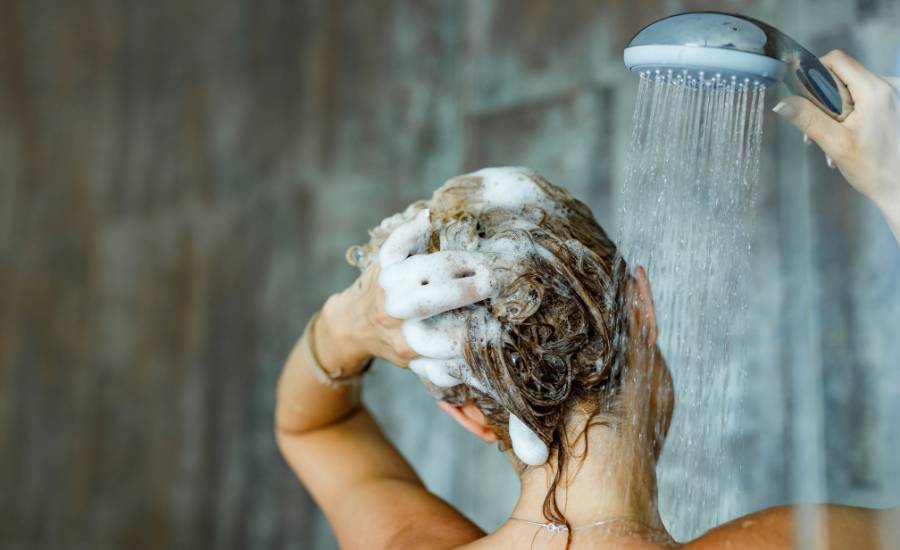
The ideal shampoo is gentle, with a pH of 5.5, and free of harsh sulfates (SLS, SLES), occlusive silicones, and irritating preservatives. It should be suited to your hair type. When washing, massage your scalp with your fingertips for 2 to 5 minutes: this stimulates microcirculation, accelerates growth, and oxygenates the hair follicles.
Water temperature is important: lukewarm or even cool water closes the hair cuticle and improves shine. Hot water, on the other hand, opens the cuticles and dries out the hair fiber. Always finish rinsing with cooler water.
Natural treatments: masks, oil baths and homemade recipes
Shampoo alone is not enough to deeply nourish hair. A weekly pre-shampoo treatment—mask, oil bath, or wrap—nourishes, strengthens, and repairs the hair fiber from within.
Vegetable oils (castor oil for growth, jojoba for oily hair, argan oil for dry and damaged hair, coconut oil for thick hair) and vegetable butters (shea, coconut, mango) are the most effective and least expensive treatments. Apply them to the lengths and ends to nourish and repair, and to the roots if you want to stimulate growth. Leave them on for at least 30 minutes, ideally several hours under a heated cap to enhance penetration.
Homemade recipes using aloe vera (for hydration), clay (for oily scalps), egg (for protein), banana (for nourishment), or lemon (for shine) are natural, economical, and suitable for all budgets. To find the best plant-based oils for your hair type, our article on the best plant-based oils for hair will guide you in your choice.
Change your daily habits
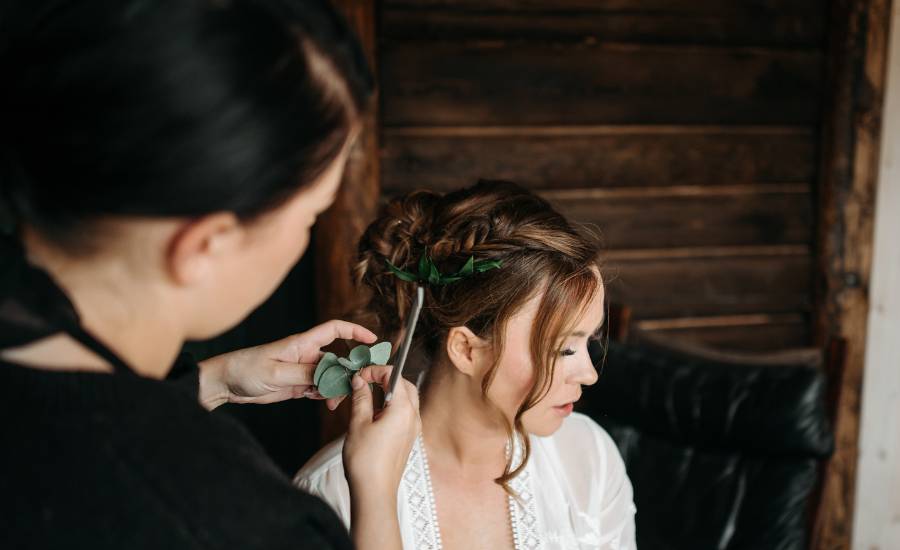
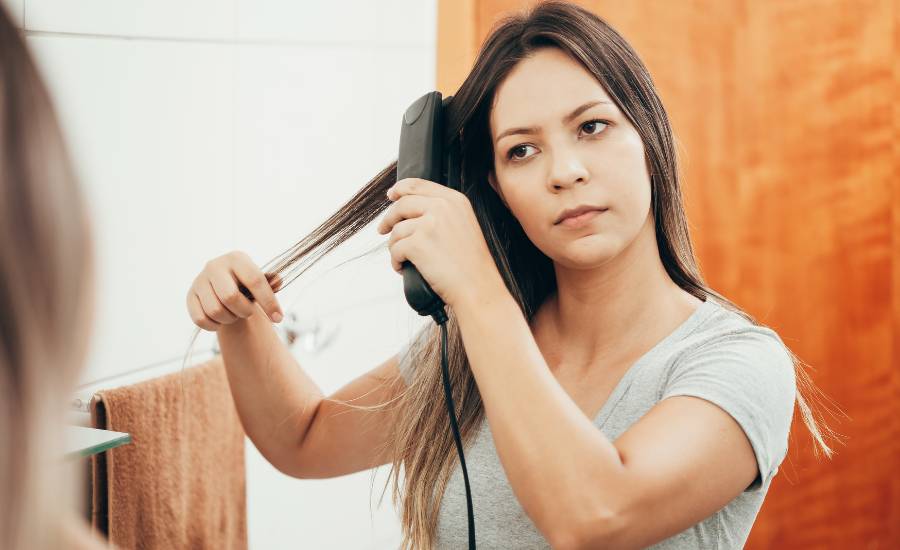
The heat from styling tools (hair dryers, straighteners, curling irons) is one of the main causes of hair fiber damage. It degrades the keratin that protects the hair and weakens the cuticle. If you can't do without them, always use a heat protectant spray before applying heat, set the temperature to a maximum of 150-180°C, and air dry as soon as possible. The same principle applies to the summer sun: protect your hair with a hat or scarf during prolonged exposure.
Brushing should be gentle and done only on dry hair—wet hair is 30% more elastic and therefore more prone to breakage. Avoid brushes with stiff plastic bristles and opt instead for a detangling brush with soft bristles or a wide-tooth comb (essential for curls). Satin hair ties or fabric scrunchies are significantly less damaging than traditional elastic bands.
Chemical dyes lift the cuticle and oxidize the cortex, leaving hair dry and porous. Space them out as much as possible (at least every 8 to 12 weeks) and opt for gentler techniques (balayage, highlights) rather than permanent, all-over dyes. Natural henna is an interesting alternative for brown and red shades.
Visiting the hairdresser every 3 to 4 months for a trim eliminates split ends before they travel up the length, revives the color and gives more volume to the hair.
Sleep also influences hair health. Chronic sleep deprivation can disrupt hormonal cycles and cause temporary hair loss. Sleep on a satin pillowcase (less friction than cotton) and style your hair in loose braids or a soft bun before bed to minimize nighttime breakage.
Food and dietary supplements for healthy hair
The health of your hair is built from within. The hair fiber is composed of 95% keratin, a protein whose synthesis depends directly on the intake of sulfur amino acids, vitamins and minerals.
The essential nutrients for hair are biotin (vitamin B8) for keratin production, iron for oxygenating the cells of the hair bulb, zinc for protein synthesis, vitamin A for cell renewal, vitamin E for scalp microcirculation, and vitamin C, which improves iron absorption. To learn all about the impact of biotin on hair, our article on the benefits of biotin details this key nutrient.
The most beneficial foods for hair are eggs (protein + biotin), oily fish (omega-3 + vitamin D), legumes (iron + zinc), nuts (vitamin E + fatty acids), colorful fruits and vegetables (antioxidants + vitamin C), and whole grains (B vitamins). Conversely, refined sugars with a high glycemic index stimulate sebum production and can slow blood flow to the hair follicles.
When diet alone isn't enough, targeted supplements can address deficiencies. Brewer's yeast (rich in B vitamins, zinc, and protein) and spirulina (minerals, antioxidants, and protein) are among the most effective for strengthening hair fibers. Specially formulated hair gummies, enriched with biotin, zinc, and B vitamins, offer a convenient and well-dosed alternative. To learn more about this topic, our article on hair growth supplements compares the available options.
In case of significant and unexplained hair loss, consult a doctor for a blood test — a deficiency in iron (ferritin), zinc or vitamin D is often the cause and is quickly corrected with appropriate treatment.
Frequently Asked Questions about Hair Care
How often should you wash your hair?
Two to three times a week is the ideal frequency for most hair types. Very oily hair may require daily washing with a very mild shampoo, while dry or very curly hair may only need washing once a week with a nourishing conditioner. Excessive washing disrupts the scalp's microbiome and paradoxically stimulates sebum production.
What are the best natural treatments for damaged hair?
Vegetable oils (argan, castor, coconut) applied as a pre-shampoo oil treatment for several hours are the most effective repairing treatment for damaged hair. Pure aloe vera provides hydration and suppleness. For very damaged hair, a protein mask made with egg (yolk + oil) once a month helps to rebuild keratin. To learn more, our article on how to repair damaged hair details the most effective solutions.
Can stress cause hair loss?
Yes. Chronic stress can cause telogen effluvium—a diffuse hair loss that occurs 2 to 3 months after the stressful event. This phenomenon is generally reversible once the stress is managed. Stress management and sufficient sleep are therefore essential components of hair health. To understand this link, our article "How to Slow Down Stress-Related Hair Loss" offers concrete suggestions.