
Skin quality depends on a combination of genetic, hormonal, and environmental factors—but also, to a large extent, on daily habits. Cleansing, sun protection, diet, sleep: five simple steps are all it takes to transform your skin's condition in the long term. Here they are.
1. Adopt a cleansing routine adapted to your skin type
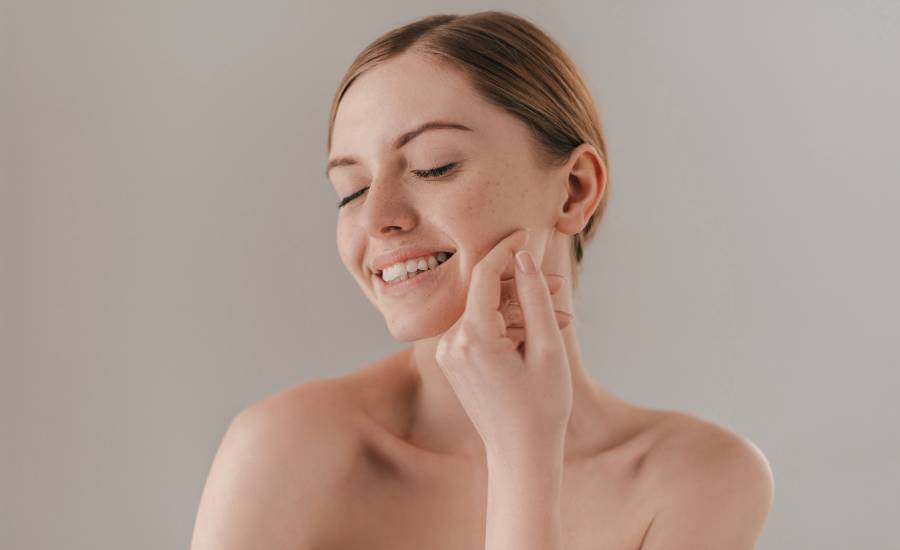
The first step is to identify your skin type (dry, normal, combination, oily) and its sensitivity level to choose the right products. An unsuitable cleanser is the main cause of skin imbalance—too harsh, it stimulates sebum production; too rich, it clogs pores.
In the morning, cleansing with cool or lukewarm water is enough to remove overnight secretions and decongest the face. Cold water tightens pores and brightens the complexion. In the evening, removing makeup is essential: accumulated pollution, sebum, and makeup residue clog pores, dilate follicles, and promote the appearance of blackheads and pimples.
A gentle scrub once a week removes dead skin cells that dull the complexion and prevent skincare products from penetrating effectively. Facial massages, performed for two to three minutes while applying skincare products, stimulate microcirculation, activate cell renewal, and support collagen production. To understand the structure of the skin and the mechanisms of its renewal in detail, our article "Understanding the Skin" provides a comprehensive overview.
2. Choose natural and suitable products
Harsh products containing denaturing alcohols, synthetic fragrances, irritating preservatives, or overly strong surfactants weaken the skin barrier and disrupt the skin's microbiome. Opt for gentle formulas, preferably composed of natural ingredients known for their effectiveness.
Aloe vera hydrates, soothes redness, and accelerates healing—it's one of the most versatile treatments for all skin types. Shea butter nourishes and softens dry and very dry skin. Clay (green for oily skin, white for sensitive skin) absorbs excess sebum and deeply cleanses pores. Honey is antibacterial and restorative, ideal for minor cuts or fragile skin.
At night, skin is more permeable between midnight and 4 a.m. — pores dilate and receptiveness to active ingredients is at its peak. This is the ideal time to apply a richer night cream or a serum concentrated in repairing active ingredients (retinol, hyaluronic acid, peptides).
3. Get enough sleep to regenerate your skin
Sleep is the best anti-aging treatment there is. During deep sleep, the skin secretes growth hormone, which stimulates the production of collagen and elastin, accelerates cell renewal, and repairs oxidative damage accumulated during the day. A lack of sleep is immediately visible: dull complexion, pronounced dark circles, sagging skin, increased sebum production, and heightened inflammatory sensitivity. To learn all about the link between sleep and skin health, our article on the benefits of sleep for the skin details the mechanisms. And if you have trouble sleeping, our article on the ideal amount of sleep lays the foundation for healthy sleep hygiene.
4. Adopt a skin-friendly diet
Your skin reflects what you eat. The nutrients that support skin health are well-known: vitamin C (citrus fruits, kiwi, bell peppers) is essential for collagen synthesis and protects against free radicals. Vitamin E (almonds, vegetable oils) protects cell membranes from oxidation. Zinc regulates sebum production and accelerates healing—particularly helpful for acne. Omega-3 fatty acids (sardines, mackerel, walnuts, flax seeds) reduce systemic inflammation and strengthen the skin's lipid barrier. Beta-carotene (carrots, mango, apricots) forms a natural antioxidant shield against UV rays.
Conversely, refined sugars and high-glycemic-index foods cause insulin spikes that stimulate androgens and sebum production—the main mechanism behind dietary acne. Alcohol and tobacco destroy vitamin C, accelerate skin aging, and impair microcirculation in the dermis.
Water remains the skin's primary care: 1.5 to 2 liters per day maintains cell turgor and the epidermis's barrier function. Dehydrated skin accentuates the appearance of wrinkles and loses its elasticity. To delve deeper into the link between diet and skin, our article on the health benefits of zinc details this key trace element for skin and wound healing.
5. Protect your skin from the sun all year round
Sun protection is the most effective and least expensive anti-aging measure available. UVA rays, present 365 days a year even on cloudy days, are responsible for 80% of visible skin aging (wrinkles, age spots, loss of elasticity). UVB rays cause sunburn and increase the risk of melanoma. Applying a minimum SPF 30 every morning to your face—even in winter, even indoors for those exposed to windows—is the best possible beauty investment. To learn everything about sun protection, SPF ratings, and proper application techniques, our article "How to Protect Your Skin from the Sun" provides a comprehensive guide. And to understand the mechanisms of skin aging and how to slow it down, our article "How to Prevent Wrinkles" offers well-researched approaches.
Frequently asked questions about skin health
When is the best time to apply your day cream?
Day cream should be applied in the morning, after cleansing and before sunscreen (which is the last product applied). If your day cream already contains SPF, make sure the SPF is sufficient (SPF 30 minimum). At night, the skin is in repair mode: opt for a richer night cream, without SPF, after cleansing and removing makeup.
Does collagen as a dietary supplement really improve the skin?
Clinical studies show that supplementation with hydrolyzed collagen (collagen peptides) improves hydration and elasticity, and reduces the depth of wrinkles after 8 to 12 weeks. The effects are more pronounced after age 40, when natural collagen production declines by about 1% per year. Our article , "Collagen: The Secret to Radiant Skin," details the available data.
How long does it take to see the results of a new beauty routine?
The skin's cell renewal cycle is approximately 28 days. The first effects of a new routine (improved hydration, a more even complexion, less visible pores) are generally noticeable after 4 to 6 weeks. Effects on wrinkles, elasticity, and acne require 2 to 3 months of consistent application. Consistency is key, rather than using a variety of products.