
Switching to a vegan diet doesn't automatically mean suffering from deficiencies—but it does require understanding which nutrients are potentially less abundant in a 100% plant-based diet and how to effectively compensate for them. A well-structured vegan diet can cover all of the body's nutritional needs. This guide gives you the keys to adopting veganism without compromising your health.
What is a vegan diet?
Veganism goes further than vegetarianism or plant-based diets. It consists of excluding all animal products from one's diet: meat, fish, seafood, dairy products, eggs, and honey. But beyond what's on the plate, the vegan lifestyle also rejects all forms of animal exploitation—leather or wool clothing, cosmetics tested on animals, and leather or fur goods.
The motivations for adopting this lifestyle are diverse and often cumulative: respect for animal welfare, environmental preservation (reducing the carbon footprint and water consumption associated with livestock farming), and anticipated health benefits. Whatever the driving force, the transition is more successful when it is well-prepared and accompanied by a solid foundation in basic nutrition.
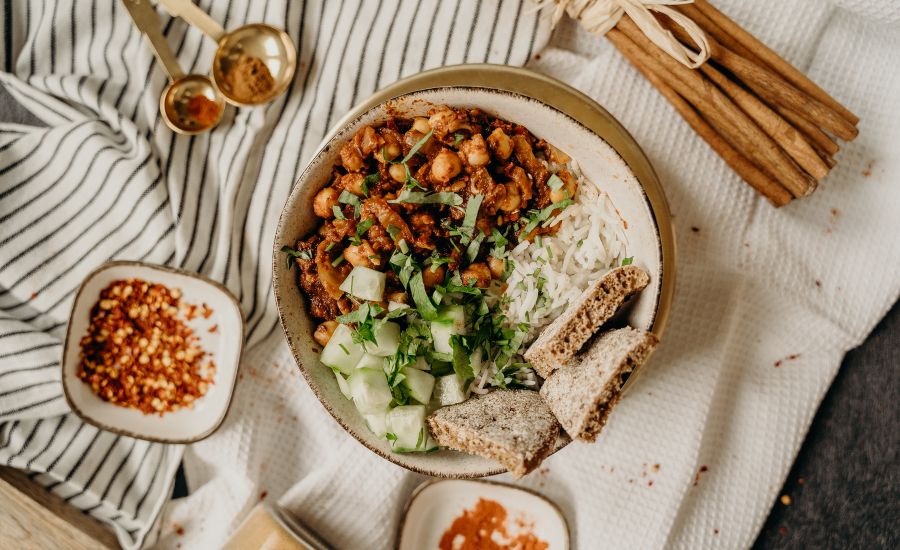
The most common deficiencies in a vegan diet
Contrary to popular belief, the risk of nutritional deficiencies is not systematically higher on a vegan diet than on an omnivorous diet. An individual who consumes few fruits, vegetables, and legumes can still experience just as many deficiencies. What differs with veganism is the nature of the nutrients to monitor: some are naturally concentrated in animal products and must be more actively sought in plant-based sources.
The nutrients most often singled out are vitamin B12, iron, calcium, vitamin D, zinc, iodine, selenium, and long-chain omega-3 fatty acids. Each of these can be obtained through a well-balanced plant-based diet, with the notable exception of vitamin B12, for which supplementation is essential for any vegan.
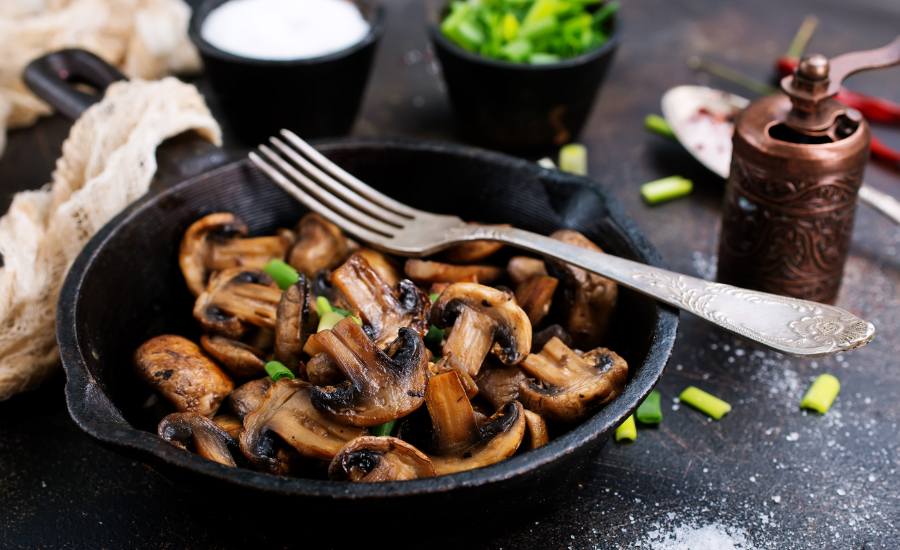
How to avoid deficiencies when eating vegan?
Ensure adequate intake of iron, zinc, selenium, iodine, calcium and vitamin D
Iron is an essential trace element for transporting oxygen to cells and muscles, and plays a central role in the proper functioning of the immune system. Plant-based iron (non-heme iron) is less readily absorbed than animal-based iron, but this difference can be mitigated by combining plant-based iron sources with vitamin C, which enhances absorption. The best plant-based sources include lentils, spinach, peas, quinoa, whole grains, and nuts.
Zinc boosts the immune system, protects cells against oxidative aging, and contributes to healthy skin, hair, and nails. Whole grains, nuts, pumpkin seeds, and legumes are good plant-based sources, although their bioavailability is slightly lower than that of animal-based zinc. Soaking legumes and grains before cooking improves their absorption.
Iodine is necessary for the production of thyroid hormones, which regulate cellular metabolism. While scarce in terrestrial plants, it is found primarily in certain marine algae (Laminaria, Saccharina, Gracilaria) and some mineral waters. Regular consumption of seaweed or the use of iodized salt generally meets the body's needs.
Selenium protects cells against oxidative stress and strengthens the immune response. Brazil nuts are by far the richest plant-based source of selenium: two to three nuts a day are often enough to meet the recommended daily intake. Almonds and sesame seeds also contain it.
Calcium is essential for strong bones and teeth, as well as for muscle contraction and nerve transmission. In the absence of dairy products, tofu (especially calcium-enriched tofu), almonds, spinach, white beans, calcium-rich water, and certain fruits like oranges and kiwis are good sources. The absorption of plant-based calcium varies depending on the food; leafy green vegetables and tofu generally have good bioavailability.
Vitamin D plays a complementary role to calcium by promoting its absorption by bones and contributing to joint health. Plant-based sources are scarce: some mushrooms exposed to UV light (porcini, chanterelles, morels), a few seaweeds, and dark chocolate with at least 70% cocoa contain small amounts. Sun exposure remains the primary source of endogenous synthesis, but supplementation is often necessary, even for non-vegans, in European latitudes.
Meet your protein needs with complementary plant-based sources
Proteins are essential for muscle tissue repair, healthy skin, nails and hair, and bone structure. Plant-based sources include legumes, whole grains, tofu, tempeh, seitan, and seeds, but no single plant source provides all the essential amino acids in ideal proportions.
The key strategy is complementary protein sources: legumes (rich in lysine but low in methionine) combined with grains (rich in methionine) create a complete amino acid profile. In practice, simple and tasty combinations like rice with lentils, whole-wheat pasta with soy, or whole-wheat bread with hummus make it easy to reach the recommended daily intake without the effort of calculating daily amounts.
Incorporate vegetable oils and oilseeds rich in omega-3
The long-chain omega-3 fatty acids EPA and DHA are naturally concentrated in oily fish, which are absent from a vegan diet. They play an essential role in the proper functioning of the retina, brain, and nervous system, and participate in regulating inflammation in the body.
Plants provide ALA (alpha-linolenic acid), a precursor to omega-3 fatty acids, which the body can partially convert into EPA and DHA, but at a limited rate. The best plant-based sources of ALA are flaxseed oil, rapeseed oil, walnut oil, chia seeds, and hemp seeds. To optimize the intake of readily bioavailable EPA and DHA, marine microalgae (available as dietary supplements) are an excellent vegan alternative, as they are the primary source of the omega-3s that fish accumulate.
It is essential to take vitamin B12 supplements.
This is the non-negotiable point of a vegan diet. Vitamin B12 is produced by bacteria and is found naturally in animal products—meat, fish, eggs, and dairy. Plants do not contain sufficient amounts, and no conventional plant source can reliably meet daily requirements.
Vitamin B12 is essential: it plays a role in the normal formation of red blood cells, the proper functioning of the nervous and immune systems, and DNA synthesis. A prolonged deficiency can lead to megaloblastic anemia and irreversible neurological damage. Supplementation is therefore absolutely necessary for any vegan, regardless of the quality of their diet. It is available as dietary supplements in tablets, capsules, or gummies—convenient formats to incorporate into a daily routine.
Other dietary supplements can also play a useful role in temporarily meeting certain nutritional needs that are difficult to achieve through diet alone. They are effective provided they are consumed as part of a varied and balanced diet and a healthy lifestyle.
Frequently asked questions about vegan diets and nutritional deficiencies
Is a well-followed vegan diet nutritionally complete?
Yes, with one exception: vitamin B12, which the body cannot obtain in sufficient quantities from plant-based foods. For all other nutrients, a varied vegan diet rich in legumes, whole grains, nuts, seeds, vegetables, and fruits can cover all needs. However, B12 supplementation is essential and non-negotiable.
What are the first signs of deficiency in a vegan?
The most common signs include persistent fatigue (iron or vitamin B12 deficiency), muscle cramps (insufficient calcium or magnesium), dry skin or brittle hair (zinc or omega-3), and difficulty concentrating (vitamin B12 or DHA). If in doubt, a blood test prescribed by a doctor can quickly identify any deficiencies that need correcting.
Should you take dietary supplements if you're vegan?
Vitamin B12 supplementation is essential for all vegans. Vitamin D is recommended for the entire French population from October to April. Omega-3 fatty acids in the form of microalgae oil can be a useful addition to a plant-based diet. Otherwise, a varied and well-balanced diet generally eliminates the need for systematic supplementation.
Is a vegan diet compatible with sports and bodybuilding?
Absolutely. Many top athletes follow a vegetarian or vegan diet. The key is to achieve sufficient protein intake (1.4 to 2 g per kg of body weight depending on the intensity of the activity) by combining several complementary plant-based sources. Tofu, tempeh, seitan, and legumes are the main allies of vegan athletes.