
Sublingual oils, gummies, chocolates, capsules, infusions: the CBD market now offers a multitude of formats. Each has distinct characteristics in terms of bioavailability, onset of action, ease of use, and taste. Here is an objective comparison to help you choose the form best suited to your lifestyle and goals.
CBD oils
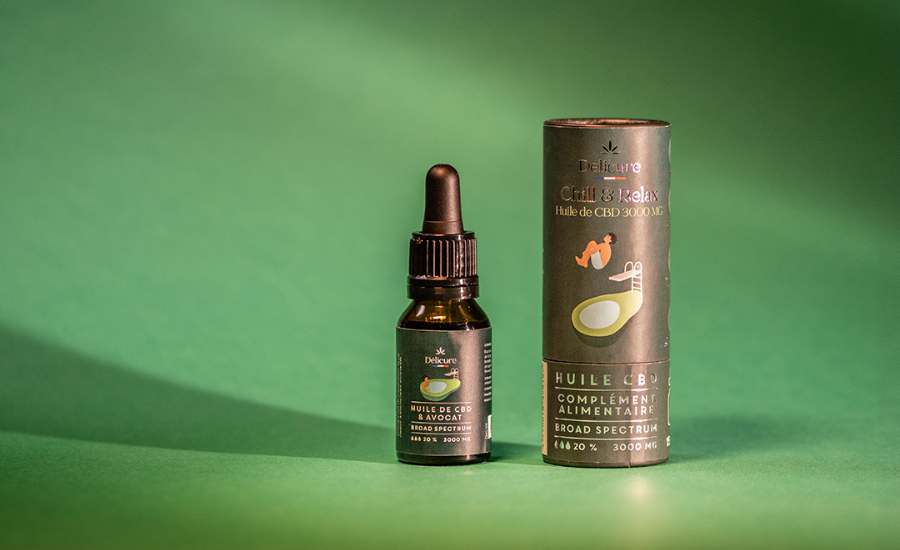
CBD oil is the most widespread and best-documented form. It is mainly consumed sublingually (under the tongue), which gives it the best bioavailability among all oral forms: estimated between 20 and 35% according to studies, compared to 6 to 19% for conventional ingestion.
Advantages: rapid action (15 to 45 minutes), precise and adjustable dosage drop by drop, available in full spectrum, broad spectrum, or isolate according to preference. The sublingual route bypasses the first pass through the liver, preserving a greater fraction of the active CBD.
Disadvantages: grassy or bitter taste which may put some people off, bottle/pipette format less discreet than gummies when on the go.
Onset of action: 15 to 45 minutes sublingually, 1 to 2 hours if incorporated into food or drink.
Who it's for: People seeking fast action, precise dosage, or suffering from chronic symptoms requiring regular and adjustable intake. To learn everything about choosing a quality oil, our article "Which CBD Oil to Choose" details the essential criteria.
CBD gummies and candies
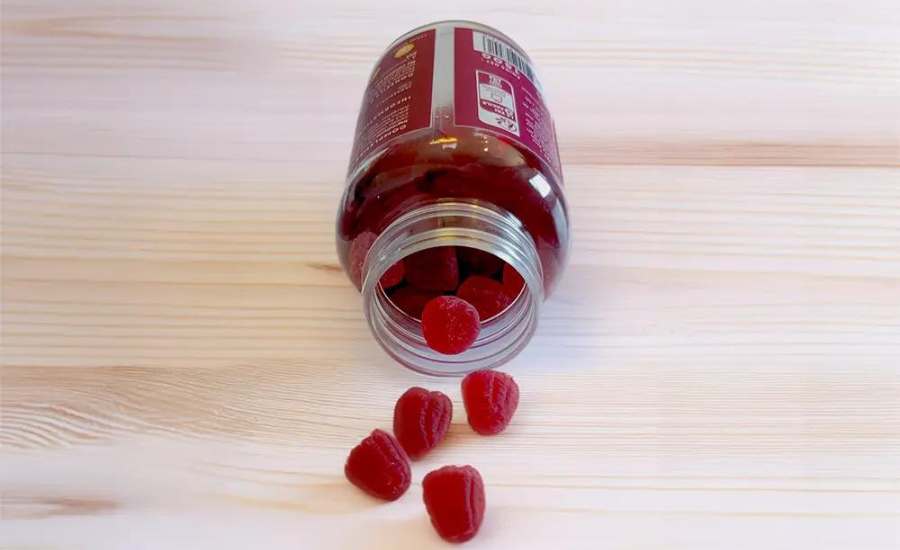
CBD gummies are soft candies enriched with CBD, typically dosed at 10 mg per gummie. They are the easiest option to carry and consume discreetly on a daily basis.
Advantages: fixed and precise dosage per unit, fruity taste that completely masks the bitterness of CBD, very practical portable format, no pipette or handling.
Disadvantages: Lower bioavailability (6 to 19%) because CBD must pass through the digestive system and liver before reaching the bloodstream. Longer onset of action. Some formulas contain added sugars or artificial flavors—check the ingredients. CBD isolate gummies are guaranteed THC-free; for an entourage effect, choose broad-spectrum formulas.
Onset of action: 30 minutes to 2 hours depending on metabolism and stomach fullness. Duration of effect: 4 to 6 hours.
Who they're for: people who don't like the taste of oil, beginners who want a fixed dosage without the hassle, and those who want to take them on the go. To understand the benefits of gummies in detail, our article "Gummies: Advantages and Disadvantages" provides a complete overview.
CBD chocolates
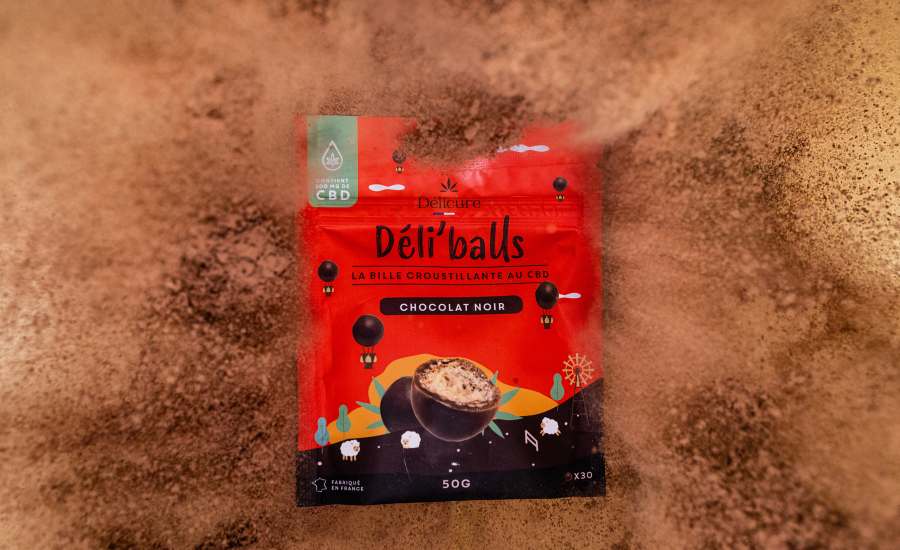
CBD chocolate combines the pleasure of a delicious treat with the potential effects of cannabidiol. It's the most sensorially enjoyable option, especially for those who want to incorporate CBD into a relaxation ritual.
Advantages: completely masks the bitterness of CBD, gradual and steady release, appealing format. The fats naturally present in chocolate may slightly improve the intestinal absorption of CBD (as CBD is fat-soluble).
Disadvantages: less precise dosage than oils or gummies (the thickness of a square can vary), sugar and calorie content to be taken into account for regular consumption, bioavailability similar to other ingested forms (6 to 19%).
Onset of action: 30 minutes to 2 hours. Duration of effect: 4 to 6 hours.
For whom: occasional consumption, evening relaxation ritual, people seeking a pleasant sensory experience rather than optimal efficiency.
Other forms of CBD
Capsules and softgels: fixed and precise dosage, tasteless, digestive absorption similar to gummies (30 minutes to 2 hours). A convenient option for people already taking dietary supplements in capsule form.
Infusions and herbal teas: low bioavailability but a welcome soothing ritual, especially in the evening. They naturally combine well with relaxing plants (lemon balm, passionflower, valerian). To learn more about complementary plants, our article on the 7 best plants for sleep presents relevant combinations.
Topical CBD cosmetics: creams, balms, massage oils — act locally only on cutaneous and muscular CB2 receptors, without entering the systemic circulation. No systemic bioavailability, but effective for localized pain when used in conjunction with oral intake.
Comparative table
| Shape | Bioavailability | Action deadline | Duration | Dosage |
| Sublingual oil | 20-35% | 15-45 min | 4-6 hours | Very precise |
| Gummies / capsules | 6-19% | 30 min – 2 h | 4-6 hours | Precise (fixed) |
| Chocolate / food | 6-19% | 30 min – 2 h | 4-6 hours | Less precise |
| Infusions | Weak | 1-2 hours | 2-4 h | Variable |
| Topics | Local only | 15-30 min | 2-4 h | Variable |
To further explore the ideal time to take your CBD depending on the form chosen, our guide to when to take CBD during the day usefully complements this comparison.
Regarding the regulatory framework, ANSES publishes reference information on cannabidiol and its Novel Food status in France .
Frequently asked questions about the forms of CBD
Which form of CBD is the most effective?
In terms of bioavailability and speed of action, sublingual oil is the most effective form among the legal options in France. The sublingual route offers an estimated bioavailability of 20-35%, which is 2 to 5 times greater than traditional oral administration. For maximum effectiveness, choose a broad-spectrum or full-spectrum oil certified by an independent laboratory.
Are CBD gummies as effective as oil?
No, but they remain a viable option. The bioavailability of gummies (6-19%) is lower than that of sublingual oil (20-35%), and their onset of action is slower. For comparable effectiveness, it may be necessary to slightly increase the dose compared to the oil. Their main advantages are convenience and palatability.
Can different forms of CBD be combined?
Yes, provided you monitor your total daily dosage. A common combination is sublingual administration in the morning (for rapid action) and gummies during the day (for a prolonged and discreet effect). Be careful not to exceed 50 mg of CBD per day without medical advice, from all sources combined.
Updated June 2026: As of May 15, 2026, CBD products intended for ingestion (oils, gummies, candies, infusions, food supplements) are no longer authorized for sale in France under the European Novel Food Regulation. An appeal is currently pending before the Council of State; this article will be updated depending on the outcome.
Sources
- Millar SA et al. (2019). A Systematic Review on the Pharmacokinetics of Cannabidiol in Humans. Frontiers in Pharmacology, 10:1365.
- Huestis MA (2007). Human Cannabinoid Pharmacokinetics. Chemistry & Biodiversity, 4(8):1770-1804.
- ANSES. CBD (cannabidiol). anses.fr