
Dandruff affects nearly 50% of the adult population at some point in their lives. These small white or yellowish flakes on the shoulders and scalp are harmless, but they can cause itching, persistent discomfort, and cosmetic concerns. Contrary to popular belief, they have nothing to do with poor hygiene. Here's what you need to know to understand and treat them effectively.
Where do dandruff and flakes come from?
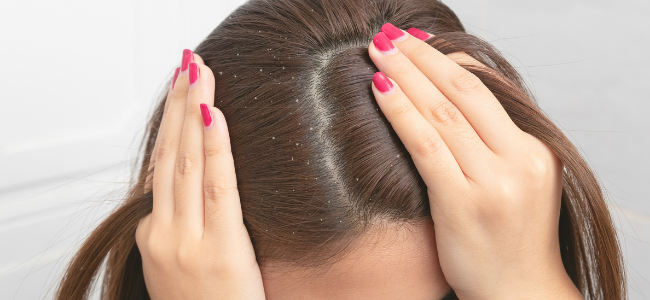
The scalp, like all skin, is constantly renewing itself. Normally, this cell renewal cycle takes about 28 days. In people prone to dandruff, it accelerates to just 10 days: new cells push out the old ones before they are ready to detach naturally. These dead cells accumulate, mix with sebum, and form small flakes called scales —the infamous dandruff.
The yeast Malassezia globosa , naturally present on everyone's scalp, plays a central role in this mechanism. In sensitive individuals, it multiplies excessively and produces fatty acids that irritate the scalp and accelerate cell renewal. This proliferation is encouraged by excess sebum, heat, and humidity.
The three types of film
Dry dandruff (pityriasis simplex)
Fine, light, and whitish, they easily fall onto shoulders and clothing. They appear on dry or sensitive scalps and generally cause mild itching with a visible powdery effect at the roots. This is the most common and easiest form to treat.
Oily dandruff
Thicker, yellowish, and sticky, these flakes are linked to an overproduction of sebum, which creates an environment conducive to the proliferation of Malassezia . They clump together on the scalp, sometimes forming small patches, and are often accompanied by an oily appearance of the roots and more intense itching. To treat both excess sebum and oily dandruff simultaneously, our article "How to Get Rid of Oily Hair" offers a complete routine.
Seborrheic dermatitis
This is the most severe form. It causes scalp inflammation, abundant production of oily dandruff, intense itching, and sometimes red patches. It can also affect other areas rich in sebaceous glands (eyebrows, sides of the nose, nasolabial folds). Seborrheic dermatitis requires dermatological monitoring: the French National Health Insurance ( Assurance Maladie) provides details of available treatments on its website .
What are the causes and risk factors?
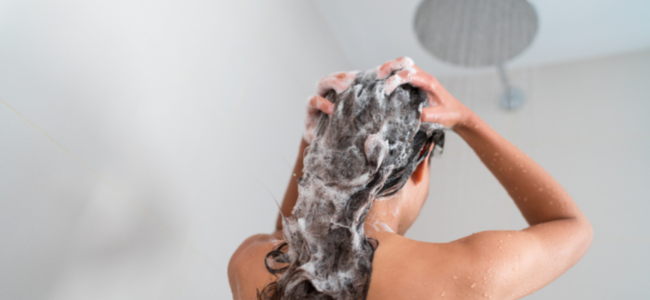
Several factors promote the appearance or worsening of dandruff: a hormonal imbalance or an overproduction of sebum, chronic stress (which alters sebaceous production and weakens skin defenses), a lack of sleep, an unbalanced diet too rich in sugars and saturated fats, the use of irritating hair products containing sulfates or silicones, seasonal changes, pollution and rinsing water that is too hard.
Dandruff can also worsen in winter (due to heating that dries out the air), during periods of intense fatigue, or after changing hair products. The link between stress and dandruff is well-documented—to address this cause, our article "How to Slow Down Stress-Related Hair Loss" offers comprehensive approaches.
How to get rid of dandruff?
1. Space out your shampoos and choose the right product
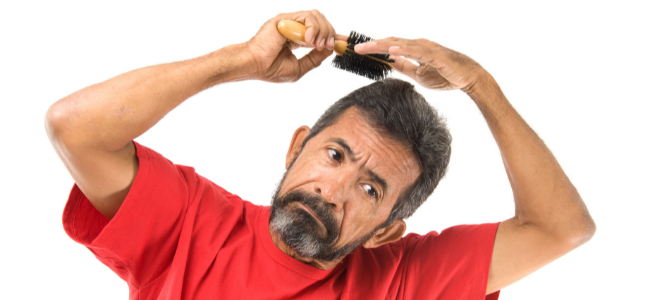
Washing your hair every day weakens the scalp and stimulates sebum production, creating an environment conducive to dandruff. A maximum of two washes per week with a gentle, anti-dandruff shampoo is recommended. Formulas containing zinc pyrithione, salicylic acid, or ketoconazole (available at pharmacies) are the most medically effective. For a more natural approach, shampoos enriched with tea tree, rosemary, or thyme have documented antifungal and purifying properties. To learn everything about daily scalp care, our article "How to Care for Your Scalp" provides a complete routine.
2. Perform soothing natural treatments
Oil baths with jojoba oil (which regulates sebum) enriched with a few drops of tea tree or Atlas cedar essential oil (antifungal) are an effective natural treatment for oily dandruff. Pure aloe vera, applied directly to the scalp 20 minutes before shampooing, soothes itching and rebalances the skin's flora. These treatments are applied before shampooing and left on for 30 minutes to several hours. To choose the best oils for your type of dandruff, our article on the best essential oils for hair details their antifungal and soothing properties.
3. Adapt your lifestyle
A diet rich in B vitamins (B6, B8, B12), zinc, and omega-3 fatty acids helps to naturally regulate sebum production and strengthen the scalp's skin barrier. Zinc is particularly beneficial: this anti-inflammatory trace element normalizes the activity of the sebaceous glands and limits fungal growth. To learn more about its role, our article on the health benefits of zinc details its dietary sources.
4. Avoid harsh products
Styling mousses, hairsprays, and gels containing alcohol or silicones suffocate the scalp and worsen the imbalance. During periods of active dandruff, opt for natural and lightweight products, rinse thoroughly after each treatment, and avoid hair dyes or perms, which further irritate an already sensitive scalp.
Frequently asked questions about film
Are dandruff and flakes contagious?
No. Dandruff results from an individual reaction of the scalp to the Malassezia yeast, which is naturally present in everyone. It is not transmitted from one person to another through contact or sharing a brush.
Can dandruff cause hair loss?
Indirectly, yes. A chronically inflamed and irritated scalp can weaken the roots and accelerate hair loss. That's why it's important to treat dandruff as soon as it appears rather than waiting for it to worsen.
When should you consult a dermatologist for dandruff?
If dandruff persists despite 4 to 6 weeks of regular use of a suitable anti-dandruff shampoo, or if it is accompanied by red patches, visible scalp inflammation, or abnormal hair loss, a dermatological consultation is necessary. Seborrheic dermatitis often requires prescription topical antifungal medication.