
Kidney pain affects a large portion of the population at some point. Located in the lower back of the abdomen, it can indicate very different causes: urinary tract infection, kidney stones, or simply poorly localized muscle pain. Any persistent or intense kidney pain requires medical attention. This article presents the main causes and complementary natural approaches to relieve the pain.
What are the common causes of kidney pain?

Pyelonephritis (kidney infection)
Often resulting from untreated cystitis, pyelonephritis is an upper urinary tract infection caused by bacteria. It manifests as lower back pain, a fever above 38°C (100.4°F), burning during urination, frequent urges to urinate, and cloudy or foul-smelling urine. It must be treated promptly by a doctor to avoid serious complications such as sepsis.
Kidney stones (lithiasis)
Kidney stones are small crystals of mineral salts or calcium oxalate. Small stones can be eliminated naturally through urine. Larger stones cause renal colic, characterized by intense lower back pain, often worse at night, sometimes accompanied by nausea and pain during urination.
How to recognize kidney pain?

Mechanical (muscular) lower back pain worsens with movement and disappears with rest. Kidney pain is deeper, less sensitive to movement, and is often accompanied by associated symptoms such as fever, urinary problems, and nausea. Severe pain accompanied by fever, blood in the urine, or vomiting constitutes a medical emergency.
How to relieve kidney pain naturally

These natural approaches can help soothe pain in addition to medical care. They do not replace treatment prescribed by a doctor.
Rest and proper positioning are essential: lying on your side opposite the pain, with a pillow under your legs, reduces pressure on the kidneys. Applying a warm or hot compress to the lumbar area for 15 to 20 minutes relaxes the muscles and improves local blood circulation.
Hydration is essential: drinking 1.5 to 2 liters of water per day facilitates the elimination of waste and, in the case of kidney stones, can accelerate their passage. Cranberry and blueberry juices are known for their antibacterial properties on the urinary tract, which are helpful in cases of mild infection.
Several medicinal plants are known for their beneficial effects on the kidneys and urinary tract. Nettle promotes toxin elimination and has a mild diuretic effect. Goldenrod is recognized for its diuretic and anti-inflammatory properties for the urinary tract. Ginger provides a general anti-inflammatory effect. Turmeric, rich in curcumin, has documented anti-inflammatory and antioxidant properties, useful as a support. Its use is not recommended in cases of anticoagulant treatment or liver disease. For a comprehensive approach to natural remedies for joint and inflammatory pain, our article on natural remedies for joint pain presents the available options.
CBD for kidney pain
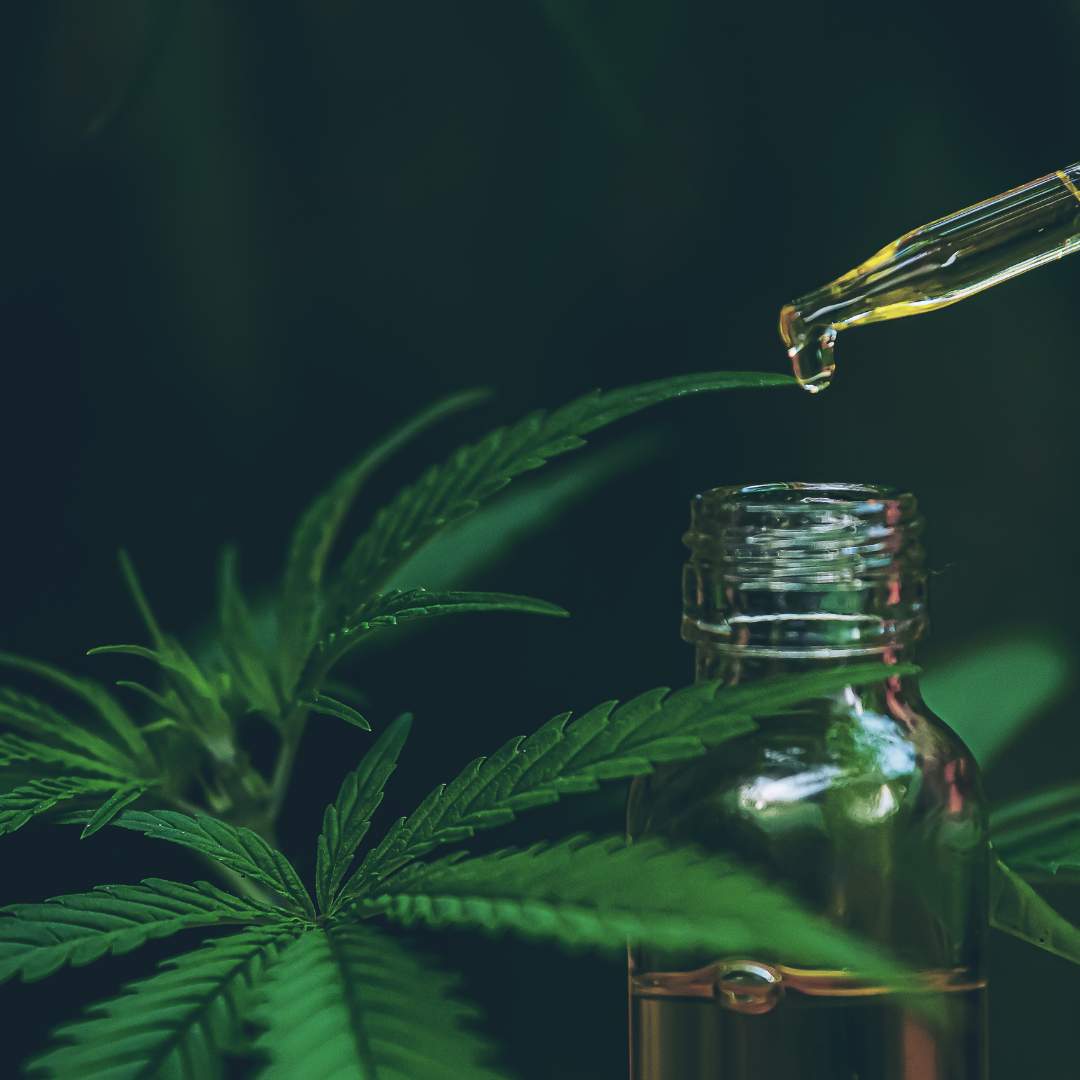
CBD is used by approximately 10% of the French population to relieve various types of pain. By acting on the CB1 and CB2 receptors of the endocannabinoid system, studies published on PubMed suggest that it may modulate pain perception and reduce inflammation. However, because CBD is considered a "Novel Food" in France, it does not yet have an official health claim specifically for kidney pain.
Many users report relief from chronic pain with CBD oil, particularly due to its muscle-relaxing and anti-anxiety effects, which reduce the tension associated with pain. Sublingual administration of CBD oil (a few drops under the tongue, 60 seconds before swallowing) provides relief within 15 to 30 minutes. To understand how CBD works on pain, our article on the benefits of CBD oil presents the available data.
CBD is not a substitute for medical treatment and cannot cure a kidney infection or dissolve kidney stones. It can be a complementary aid for managing pain and associated stress, under medical supervision if you are currently undergoing treatment.
Frequently asked questions about kidney pain
What position should I adopt to relieve kidney pain?
Lying on your side opposite the pain, with a pillow under your knees to reduce pressure on your lower back, is usually the most relieving position. Avoid positions that compress the lumbar region. Rest is essential, but persistent or worsening pain requires medical attention.
Which drink is best for painful kidneys?
Water remains the best drink: drinking enough promotes kidney filtration and waste elimination. Unsweetened cranberry juice can help with mild urinary tract infections thanks to its proanthocyanidins, which limit bacteria's adhesion to the urinary tract walls. Avoid alcohol, sodas, and excessive coffee, which dehydrate and weaken the kidneys.
When should you seek emergency medical attention for kidney pain?
Seek emergency medical attention if the pain is intense and sudden (renal colic), if it is accompanied by a fever above 38.5°C (101.3°F), chills, blood in the urine, nausea or vomiting, or if it does not respond to standard painkillers. These signs may indicate a serious infection or a kidney stone that cannot pass on its own.
Can stress cause kidney pain?
Stress does not directly cause kidney disease, but it can exacerbate existing pain through muscle tension in the lower back and systemic inflammation related to cortisol. People with irritable bowel syndrome may also experience deep abdominal pain that is sometimes mistaken for kidney pain.