
Just like hair and skin, nails reflect overall health. Poor lifestyle habits, nutritional deficiencies, or environmental factors can significantly affect their structure and appearance.
Keratin, a fundamental component of the nail
The nail is composed of approximately 90% keratin , a fibrous and resistant protein that gives it its strength, promotes growth, and protects it against external aggressions. When keratin is weakened, nails tend to split, become soft, brittle, or ridged.
To maintain this keratin and have beautiful nails , it is necessary to adopt a regular and suitable care routine.
Treatments to strengthen damaged nails
To improve the appearance of nails and preserve their vitality, several simple steps can be incorporated into a regular routine.
An oil soak is a popular traditional remedy for strengthening brittle nails. It involves soaking your nails in a bowl of vegetable oil and then gently massaging them for a few minutes. Among the most commonly used oils for nails are olive oil, known for its intense nourishing properties and ability to strengthen keratin, and castor oil, whose thick texture helps to moisturize and protect the nail from external damage. Olive oil can be combined with a few drops of lemon juice for its brightening effect on yellowed nails.
In the case of stubborn nail polish stains, a little baking soda can help to gently remove them.
For those who enjoy manicures, applying a protective base coat before polish limits direct contact between the nail and the product, while also prolonging the polish's wear. A protective base coat differs from a nail hardener, which aims to strengthen the nail structure and add shine.
Cuticles also deserve attention: it's best not to tear them off, but rather to soften them in warm, soapy water before gently removing the dead skin. Finally, regularly applying a restorative cream with natural ingredients can help restore the nail structure and limit the progression of existing breaks or ridges. Regularly trimming your nails also helps reduce breakage and promotes healthier regrowth.
Nutrition, an essential support for strong nails
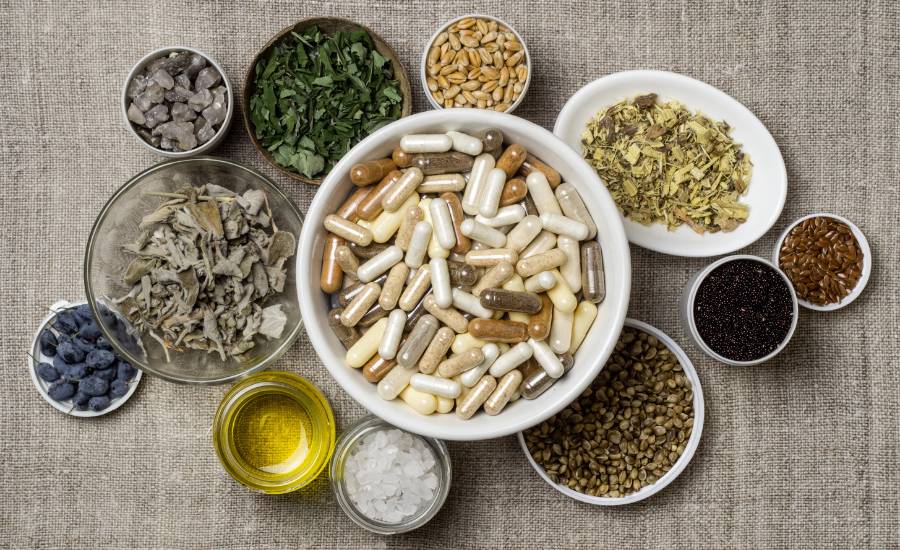
A healthy, balanced diet plays an important role in nail health, just as it does for hair and skin. Damaged and brittle nails can be linked to a deficiency in B vitamins or minerals such as iron, calcium, or zinc, found in whole grains, yogurt, nuts and seeds, fish, lean meats, and poultry. These nutrients contribute to maintaining normal nail structure.
General hydration of the body also remains important for nail vitality: it is recommended to drink between 1.5 and 2 liters of water per day.
Actions to avoid to prevent damaging your nails
Stress, an unbalanced diet, the use of harsh products or certain external factors can weaken nails and make them more brittle.
A poorly executed manicure can significantly damage nails: improper application of artificial nails, use of overly harsh products, or excessive use of electric nail drills. If nails are already weakened, it's best to opt for a gentle, acetone-free nail polish remover, a cardboard nail file rather than a metal one, and allow nails to grow back naturally with proper care.
Nail biting, often linked to stress or anxiety, is a habit that damages nail health in the long run. The micro-lesions caused by this habit can promote the growth of germs and increase the risk of infections such as paronychia or fungal infections. Some nail polishes with a bitter taste, specifically designed to discourage this habit, can be helpful.
When doing housework, wearing gloves protects nails from direct contact with products that are potentially aggressive to keratin.
When should you consult a professional?
If your nails show significant signs of damage despite these precautions, or if you experience pain, inflammation, or a rapid change in their appearance, it is recommended that you consult a doctor or dermatologist. A healthcare professional can identify the underlying cause and offer appropriate treatment. To better understand what the appearance of your nails can reveal about your overall health, our article "What Our Nails Reveal About Our Health" details the main signs to watch for.
Further information is available on the Health Insurance website.
Frequently asked questions about damaged nails
How long does it take to repair damaged nails?
Nail growth is slow, approximately 3 mm per month. It generally takes several weeks to a few months of regular care to see a visible improvement in nail strength and appearance.
Is an oil bath really effective for nails?
An oil bath is a traditional treatment that helps nourish and hydrate the nail and cuticle. When practiced regularly, it can help reduce dryness and breakage, in addition to a balanced diet.
Should you stop using nail polish altogether if your nails are damaged?
It is not necessary to stop completely, but it is advisable to space out the applications, to systematically use a protective base and to favour gentle, acetone-free solvents to limit drying.