
Bloating, cramps, nausea, menstrual pain: abdominal pain affects almost everyone at some point in their lives. In most cases, it's benign and related to temporary digestive issues. However, when it's intense or recurring, it can seriously disrupt sleep, work, and daily activities. Here's an overview of the causes and natural solutions to better manage it.
What are the causes of abdominal pain?
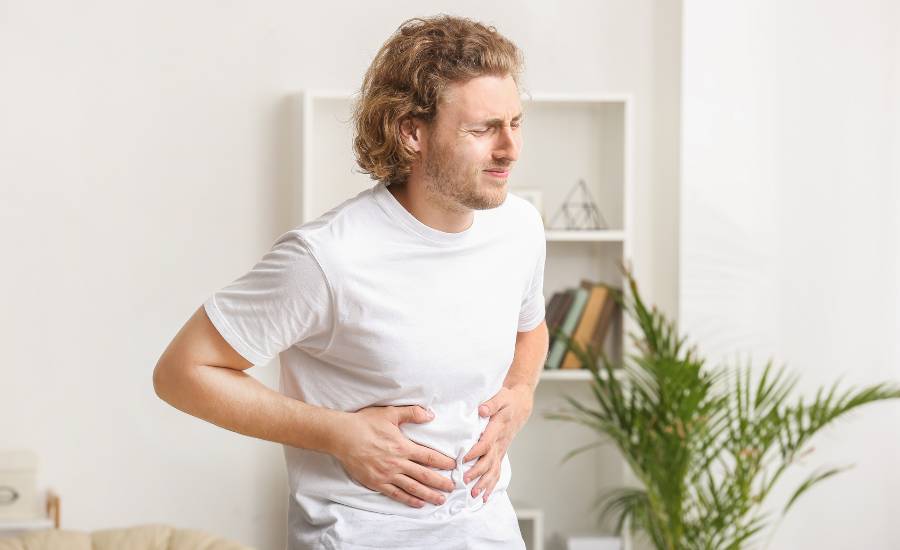
Abdominal pain can have a wide variety of origins: intestinal, renal, vascular, muscular, or gynecological. Among the most frequent causes are:
- Digestive disorders: indigestion, constipation, gastroenteritis, gastroesophageal reflux.
- Irritable bowel syndrome (IBS), which affects approximately 5% of the French population according to Inserm, is characterized by chronic abdominal pain associated with bowel movement disorders.
- Menstrual pain (dysmenorrhea) is very common in women of childbearing age.
- Urinary or kidney infections, gallstones, or appendicitis in more serious cases.
In case of severe or persistent abdominal pain, or pain accompanied by fever, bleeding, or unexplained weight loss, immediate medical attention is essential. For menstrual pain, our article on CBD for painful periods discusses approaches specific to dysmenorrhea.
How to naturally relieve abdominal pain?
Several natural approaches, simple to integrate into daily life, can help prevent and alleviate mild abdominal pain.
Abdominal breathing
Diaphragmatic breathing exercises oxygenate the nervous system, reduce tension, and improve the functioning of the digestive organs. To relieve abdominal pain, place one hand on your chest and the other on your stomach. Inhale, expanding your abdomen for 3 seconds, then exhale slowly, allowing it to return to its original position for 5 seconds. Repeat 5 to 10 times. Our article on breathing techniques will guide you further.
Appropriate nutrition
To prevent cramps and bloating, avoid fried and very fatty foods, spicy products, and carbonated drinks, which disrupt digestion. Opt instead for cooked vegetables, fruit compotes, and foods rich in soluble fiber. Eating slowly, chewing thoroughly, and drinking enough water throughout the day are simple habits that significantly improve digestive comfort.
Abdominal massage
Abdominal massage stimulates blood circulation and facilitates bowel movements. Lie on your back with your knees slightly bent. Using the palm of your hand, make gentle circular motions around the painful area, in a clockwise direction (the direction of bowel movements), for 5 to 10 minutes while breathing slowly.
Essential oils
Certain essential oils with antispasmodic and anti-inflammatory properties are known to relieve cramps and bloating: peppermint, tropical basil, cardamom, and caraway. Diluted in a carrier oil (a few drops in a tablespoon of sweet almond oil), they can be applied in a circular massage to the abdomen. Caution: essential oils are contraindicated for pregnant women and young children.
Can CBD help with abdominal pain?
CBD (cannabidiol) is a natural molecule extracted from hemp, with no psychotropic effects or risk of addiction, and is legal in France. Preliminary research is investigating its role in modulating visceral pain via the endocannabinoid system, whose CB1 and CB2 receptors are abundant in the digestive and enteric nervous systems.
A review published in Cannabis and Cannabinoid Research (2018) indicates that CBD has anti-inflammatory and antispasmodic potential that could be relevant for abdominal pain associated with irritable bowel syndrome or menstrual cramps. This data remains preliminary: CBD is classified as a "Novel Food" in Europe and does not have any official health claims regarding pain relief. It is not a substitute for medical treatment.
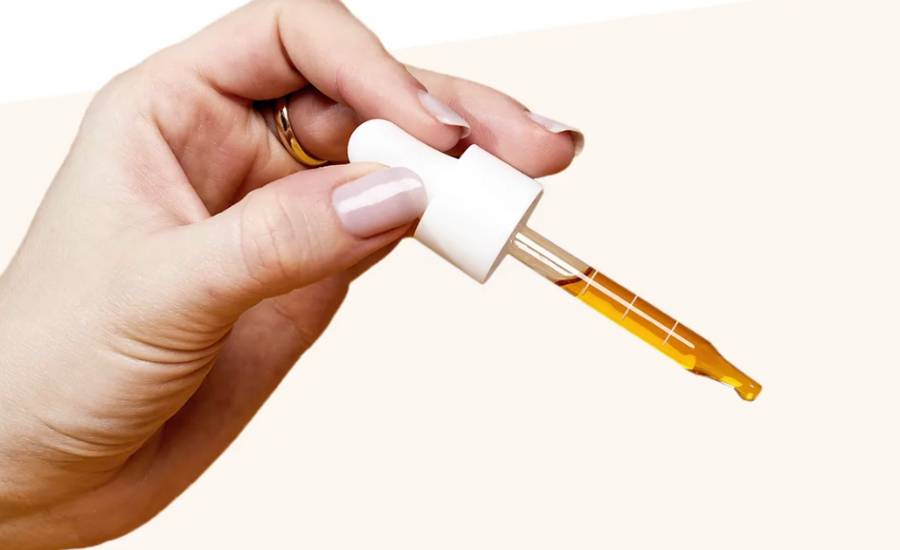
When taken sublingually, CBD oil is the most suitable form for relatively rapid action (15 to 45 minutes). A few drops placed under the tongue and held there for a minute before swallowing allow for direct absorption into the bloodstream. To learn more about the criteria for choosing a quality oil, see our article "Which CBD Oil to Choose ."
Some formulas enriched with plants with recognized antispasmodic properties (fennel, yarrow, peppermint) can offer an interesting synergy for menstrual or digestive pain specifically.
Dosage and precautions
Start with 5 to 10 mg of CBD per day and gradually increase by 5 mg every 3 to 4 days, depending on how you feel, without exceeding 50 mg daily without medical advice. If you are taking medication (antispasmodics, anti-inflammatories, anticoagulants), consult your doctor before starting CBD. It is not recommended for pregnant or breastfeeding women.
To explore other natural remedies for digestive pain, our article on natural remedies for stomach pain is a useful complement to this topic. For regulatory information, ANSES publishes reference information on cannabidiol .
Frequently asked questions about abdominal pain
When should you see a doctor for abdominal pain?
A medical consultation is urgently needed if the pain is very intense, persists for more than 48 hours, and is accompanied by fever, repeated vomiting, blood in the stool, or unexplained weight loss. These signs may indicate appendicitis, bowel obstruction, or another condition requiring prompt medical attention.
Is CBD effective against irritable bowel syndrome?
Preliminary studies suggest that CBD may modulate visceral pain and reduce intestinal inflammation via endocannabinoid receptors in the digestive system. These results are encouraging but do not yet constitute sufficient clinical evidence. CBD can be considered as a complementary approach, never as a substitute for medical care for diagnosed IBS.
Are essential oils safe for abdominal pain?
Certain essential oils (peppermint, tropical basil, fennel) are known for their antispasmodic properties in relieving abdominal cramps. They must always be diluted in a carrier oil before topical application and are contraindicated for pregnant women, children under 6 years of age, and people with epilepsy. If in doubt, consult an aromatherapist or pharmacist.
Updated June 2026: As of May 15, 2026, CBD products intended for ingestion (oils, gummies, candies, infusions, food supplements) are no longer authorized for sale in France under the European Novel Food Regulation. An appeal is currently pending before the Council of State; this article will be updated depending on the outcome.
Sources
- Vučković S. et al. (2018). Cannabinoids and Pain: New Insights From Old Molecules. Frontiers in Pharmacology, 9:1259.
- Inserm. Irritable bowel syndrome. inserm.fr
- ANSES. CBD (cannabidiol). anses.fr