
Sebum is essential for skin hydration, provided it is produced in a balanced amount. When its production is disrupted, the skin can become shiny, more prone to blemishes, and thicken. Conversely, balanced sebum protects, softens, and helps the skin barrier remain supple and comfortable.
What is sebum?
Sebum is an oily substance secreted by the sebaceous glands in the skin, located in the dermis, the layer beneath the epidermis. These glands are unevenly distributed across different areas of the body: they are found in large quantities in the T-zone of the face (forehead, nose, chin), which explains why this area tends to be shinier and more prone to blackheads. Conversely, the palms of the hands have virtually no sebaceous glands.
What is the purpose of sebum?
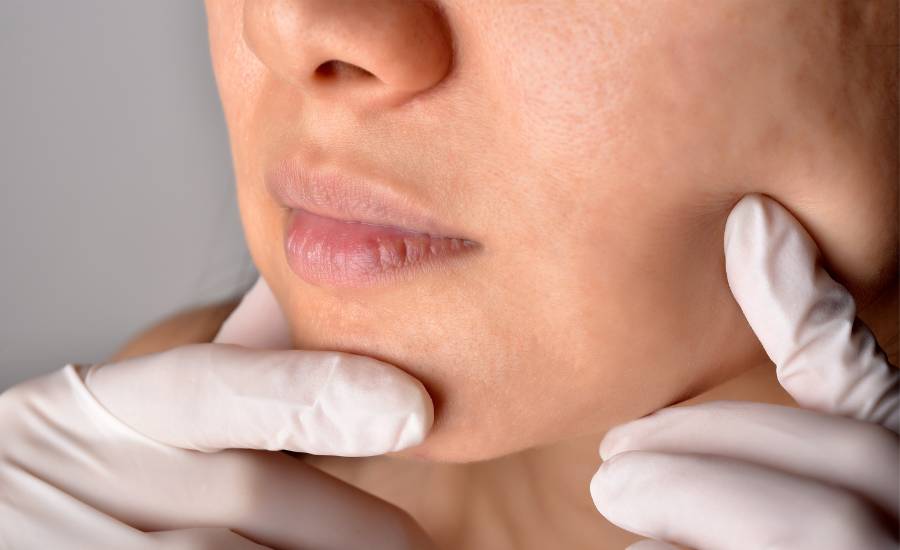
Sebum plays a key role in skin balance and also contributes to hair health. Once produced by the sebaceous gland, it travels up a duct to the skin's surface, where it flows out through the pore, fulfilling several essential functions.
When mixed with sweat, sebum forms the hydrolipidic film, a thin protective barrier that limits water evaporation and helps the skin remain supple. Its fatty acids also help maintain a slightly acidic pH on the skin's surface, which is less favorable to the growth of certain germs. Finally, sebum uses the same opening as hair follicles, lubricating them while giving them shine and protecting them from dryness.
What is seborrhea, or excess sebum?
When the sebaceous glands become overactive, particularly during puberty, they can produce more sebum than necessary: this is called seborrhea. This phenomenon, typical of combination to oily skin, can result in diffuse shine, enlarged pores, blackheads, uneven skin texture, and sometimes a scalp that becomes oily quickly.
Why does sebum become too abundant?
Several factors can explain excessive sebum production. Hormones are the most frequent cause: androgens during adolescence or hormonal variations related to pregnancy stimulate the activity of the sebaceous glands, which explains the frequent appearance of imperfections during these periods of life.
Genetics also plays a role: some skin types are naturally oilier, a predisposition that can be exacerbated by smoking, alcohol, fatigue, stress, or environmental factors such as sun, wind, or pollution. Paradoxically, using unsuitable cosmetics, especially harsh cleansers, can worsen the problem: when irritated, the skin reacts by producing more sebum to protect itself. Prolonged sun exposure has a similar effect: it initially dries out the skin, which then compensates by overproducing sebum.
What are the consequences for the skin?
Beyond simply adding shine, excess sebum can clog pores. Dead skin cells are less easily removed, and certain bacteria naturally present on the skin can proliferate, potentially leading to acne , an inflammation of the pilosebaceous follicle. Skin with excess sebum can also become more sensitive and reactive to cosmetic products. To better understand how the skin functions overall, our article "Understanding the Skin" provides further insights.
How to gently regulate sebum production?
The goal is not to dry out the skin, but to balance it. A holistic approach, combining healthy lifestyle habits and appropriate skincare, generally yields more lasting results than an aggressive approach.
Food, a source of support from within
Skin balance is also built on what you eat. Prioritizing vitamins B6, A, and E, omega-3 fatty acids, and zinc , found in oily fish, eggs, colorful vegetables, nuts, and whole grains, can contribute to skin comfort. Limiting refined sugars and unhealthy fats, which perpetuate inflammation, is also recommended. Finally, drinking between 1.5 and 2 liters of water per day remains important: dehydrated skin can paradoxically tend to overproduce sebum to compensate.
A minimalist skincare routine
Gentle cleansing, morning and evening, with a non-stripping gel or milk with a skin-friendly pH, forms the basis of a routine suitable for oily skin. A very fine scrub once a week can help refine skin texture without irritation. In the morning, a light cream with sebum-regulating active ingredients can help to gently mattify the skin, while in the evening, a formula containing fruit acids (AHAs) can help to minimize blackheads.
Hydration remains essential, even for oily skin: fluid, non-comedogenic textures help the skin regain its balance rather than depriving it of moisture, which could worsen sebum production in reaction. For the scalp, in cases of seborrhea, a shampoo formulated for oily hair and gradually reducing the frequency of washing can be beneficial.
Let the skin breathe
Setting aside one day a week without makeup allows pores to relax and skin to regain some comfort, often resulting in a fresher complexion and reduced shine.
The role of stress and lifestyle
Stress can modulate hormonal activity and influence sebum quality. Simple habits such as regular deep breathing, quality sleep, and gentle physical activity (walking, yoga) can have a positive effect on overall balance, including on the skin.
When should you consult a professional?
If excess sebum becomes significant, if inflammatory lesions appear (pain, nodules, scars), or if the situation impacts daily well-being, a consultation with a dermatologist is recommended. The specialist will be able to offer personalized treatment tailored to the situation.
To learn more, a public information file on the skin and its protective barrier is available on the Health Insurance website.
Frequently asked questions about sebum
Is sebum bad for the skin?
No, sebum protects, lubricates, and contributes to skin hydration by forming the hydrolipidic film. Only an excess of it can become uncomfortable: the goal is to balance it, not eliminate it.
How to cleanse oily skin without damaging it?
A gentle, pH-balanced cleanser, used morning and evening, is preferable to harsh formulas that can further stimulate sebum production. A gentle scrub once a week is usually sufficient.
Does the sun really improve oily skin?
No, that's a misleading effect: sun exposure initially dries out the skin, which often leads to a rebound effect with increased sebum production afterward. Appropriate sun protection remains the best option.