
Chronic stress affects nearly one in two French people, according to IFOP. While anxiolytic medications remain the easy solution, regular physical activity is one of the few interventions whose effectiveness on stress and anxiety is well-documented scientifically. However, it's essential to choose the right sport and understand why it works.
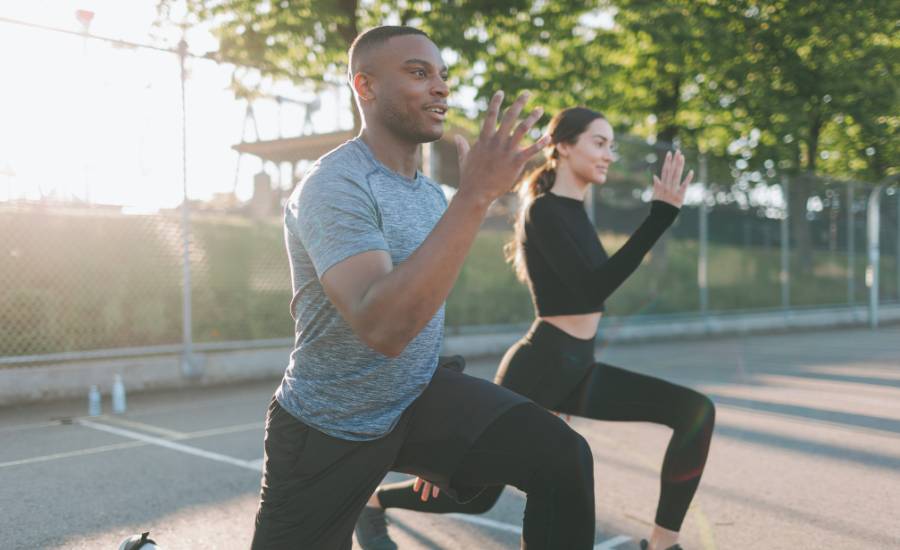
Why does sport reduce stress? The mechanisms
The stress-relieving effect of sport relies on several distinct physiological mechanisms. The best known is the release of endorphins, neuropeptides produced by the pituitary gland during exercise that provide a feeling of well-being that can last for several hours after the session. But this is not the only factor.
Regular physical activity reduces basal cortisol levels, the stress hormone secreted by the adrenal glands. A meta-analysis published in the Journal of Sport and Health Science (2019), encompassing 37 clinical trials, confirmed that regular aerobic exercise significantly decreases resting cortisol levels. Simultaneously, exercise promotes neurogenesis in the hippocampus, the brain region involved in regulating emotions and memory, thereby improving long-term resilience to stress.
Finally, physical exertion requires a focus on the present moment : breathing, bodily sensations, coordination of movements. This attention, diverted from mental ruminations, constitutes in itself a form of moving meditation, particularly effective for people who struggle to meditate in a static manner.
Swimming: the soothing effect of water
Swimming is regularly cited by healthcare professionals as one of the most comprehensive stress-relieving activities. The aquatic element plays a unique role: immersion in water reduces the sensation of gravity, relaxes muscles, and induces a state of relaxation that is difficult to replicate out of the water. Tension accumulated in the shoulders, neck, and back melts away within the first few minutes.
The breathing rhythm imposed by swimming is another major advantage. Swimming forces you to synchronize your breath and movement, creating a regular breathing pattern that calms the autonomic nervous system. Thirty minutes of swimming is generally enough to transform your state of mind. The lack of impact on the joints also makes it an activity accessible even during periods of significant physical fatigue.
Jogging: running to clear your mind
Running is particularly effective for releasing anger, frustration, and accumulated tension. Its meditative effect is based on the rhythmic repetition of movement: after 20 to 30 minutes of continuous effort, endorphins begin to be released in significant quantities, producing what runners call the "runner's high."
For measurable stress-relieving effects, aim for outings of at least 30 minutes, 2 to 3 times a week. If you're a beginner, alternate brisk walking with running, gradually increasing the running intervals. The accessibility of jogging is a significant advantage: no membership required, no complicated equipment needed, just a pair of suitable shoes. Practicing outdoors amplifies the benefits thanks to exposure to natural light and green spaces.
Yoga: uniting body and mind
Yoga is probably the discipline whose effects on stress are best documented scientifically. A meta-analysis published in Psychological Medicine (2021), which included 17 randomized controlled trials, concluded that yoga significantly reduces anxiety symptoms compared to inactive control groups.
Its effectiveness relies on the combination of three elements: physical postures (asanas) that release muscular tension, breathing techniques (pranayama) that activate the parasympathetic nervous system, and meditation that reduces activity in the prefrontal cortex associated with rumination. Practiced regularly, it lowers blood pressure and slows the resting heart rate, two physiological markers of chronic stress.
For beginners, Hatha yoga and Yin yoga are the most suitable: gentle rhythm, accessible postures, and a strong meditative component. Vinyasa is better suited to those who need more movement to unwind. Our tips on breathing techniques to reduce stress are a useful complement to a beginner's yoga practice.
Tai Chi: Serenity through slow movement
Tai chi, an internal martial art of Chinese origin, is based on sequences of slow, fluid, and continuous movements practiced with full awareness. Its distinctive feature is the need for complete attention to each movement, which naturally dispels stressful thoughts related to the past or future. This presence in the moment is comparable to that induced by meditation, with the added benefit of physical support that facilitates concentration for those unaccustomed to remaining still.
Tai chi is accessible to all ages and fitness levels, with no impact on the joints. It is particularly recommended for seniors or those suffering from chronic pain who cannot participate in more intense sports. Often practiced in groups in parks, it also offers a social benefit that contributes to overall well-being.
Other effective activities for combating stress
Forest walking deserves special mention. Forest therapy, the practice of walking in a forest environment, has been the subject of serious studies in Japan since the 1980s. Research shows that 20 minutes of walking in the forest reduces salivary cortisol levels in a measurable way, probably due to the combination of moderate exercise, air rich in phytoncides (volatile compounds emitted by trees) and calming sensory stimulation.
Dance combines physical exertion, emotional expression, and a social dimension—three distinct stress relievers. Rock climbing demands total concentration, leaving virtually no mental space for rumination. Pilates develops body awareness and releases deep-seated tension. Each of these activities can suit your personality and preferences: the best stress reliever is the one you enjoy practicing regularly.
How much exercise per week is needed to reduce stress?
The WHO recommends 150 minutes of moderate activity per week, or 30 minutes five times a week. For stress-reducing effects specifically, consistency is more important than intensity. Three 30-minute moderate-intensity sessions per week produce better lasting results than a single intense weekly session, which can actually generate additional physical stress.
The timing of your workout is also important. Working out in the morning helps prevent the accumulation of stress throughout the day. Late afternoon exercise releases the day's tension but should end at least two hours before bedtime to avoid disrupting sleep. On this point, our article on the links between stress and sleep disorders details the interaction between physical activity and sleep quality.
Frequently asked questions about stress-relieving sports
Is it possible to do sports when you are exhausted by stress?
Yes, but adjust the intensity. If you're exhausted, opt for gentle activities like yoga, walking, or tai chi rather than intense sports. A light session is better than no activity at all, and it will help break the vicious cycle of stress, fatigue, and inactivity. If the exhaustion is severe and persistent, consult a doctor before resuming strenuous physical activity.
How long before you see the effects of sport on stress?
The immediate effects (relaxation, improved mood) are felt from the first session. Lasting effects on background stress levels appear after 4 to 6 weeks of regular practice. This is the time needed for physiological adaptations (cortisol regulation, hippocampal neurogenesis) to produce a measurable effect.
Is sport enough to treat anxiety?
For mild to moderate anxiety, regular physical activity can be an effective first-line intervention. For severe anxiety disorders or depressive states, it complements medical or psychotherapeutic treatment. Natural remedies to calm the nerves can also be used alongside exercise.