
Chronic stress weakens the immune system, disrupts sleep, and degrades quality of life. Faced with the side effects of chemical anxiolytics and antidepressants, herbal medicine offers a gentle and well-documented alternative. Certain plants act directly on the physiological mechanisms of stress, without creating dependence. Here are seven of the best anti-stress plants, their mechanisms of action, and their practical uses.
Why are plants effective against stress?

Medicinal plants act on stress through several mechanisms: some modulate neurotransmitters (GABA, serotonin, dopamine), others regulate the hormonal stress axis (cortisol, adrenaline), and still others protect the nervous system through their antioxidant properties. The World Health Organization recognizes herbal medicine as a form of conventional medicine for certain conditions, including mild to moderate anxiety disorders. These plants are available without a prescription, in the form of herbal teas, standardized extracts, or capsules.
The 7 best anti-stress plants
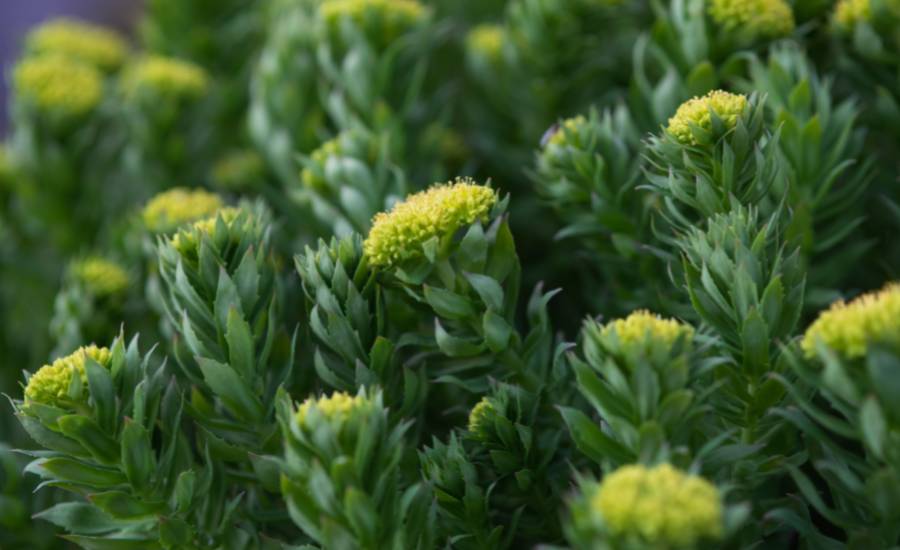
1. Rhodiola, the ally of strong nerves
Known as "golden root," Rhodiola rosea is an adaptogenic plant: it helps the body adapt to physical and mental stressors by stabilizing the nervous and endocrine systems. Its antioxidants protect neurons from oxidative stress. It is particularly recommended during periods of overwork, chronic fatigue, or intense professional pressure. Several clinical studies confirm its effects on reducing cortisol and improving cognitive performance under stress.
2. Hawthorn, natural calm
Hawthorn contains flavonoids and procyanidins that act on the physical symptoms of stress: heart palpitations, muscle tension, and mild sleep disturbances. It is particularly helpful for people whose stress manifests primarily as cardiovascular symptoms. It can be consumed as an infusion (dried flowers) or as a standardized extract.
3. Passionflower, for a peaceful mind
Passionflower is rich in flavonoids that act on GABA receptors in the brain, producing a calming effect without excessive sedation. It reduces anxiety, soothes nervous agitation, and improves sleep quality. Unlike chemical anxiolytics, it is not addictive and does not cause daytime drowsiness at usual doses. Its use in treating sleep disorders is particularly well-documented.
4. Valerian and lemon balm: a winning duo
Valerian modulates the action of GABA and reduces the time it takes to fall asleep. Lemon balm acts on mild to moderate anxiety and nervous tension. When combined, their effects are potentiated: several clinical studies show that this combination is more effective than each herb taken individually in improving sleep quality and reducing anxiety. They are often available together in dietary supplements for the natural treatment of insomnia .
5. St. John's wort, the natural antidepressant
St. John's wort acts on neurotransmitters involved in mood regulation (serotonin, dopamine, norepinephrine). The WHO recognizes its effectiveness in treating mild to moderate anxiety and depression. It requires careful attention because it interacts with many medications (anticoagulants, oral contraceptives, antiretrovirals). Medical advice is essential before use.
6. Ginseng, the energy plant
Ginseng is an adaptogenic plant that boosts immunity and regulates hormonal responses related to stress. It is particularly useful for preventing physical and mental exhaustion associated with prolonged stress. Its ginsenoside content modulates the hypothalamic-pituitary-adrenal (HPA) axis, which reduces excessive cortisol secretion. It is recommended as a 4- to 8-week course, with a break between courses.
7. Saffron, the red gold of serenity
Saffron is the most recently studied and one of the most promising anti-stress plants. Its active compounds, crocin and safranal, act on serotonin and dopamine, promoting a positive mood and greater resilience to stress. Several clinical studies suggest efficacy comparable to some mild antidepressants, without their side effects. It helps to soothe nervous tension, improve sleep, and reduce symptoms of anxiety and mental fatigue.
Essential oils as a supplement
True lavender, Roman chamomile, and marjoram essential oils are known for their calming properties on the nervous system. A few drops in a diffuser for 15 minutes in the evening, or applied to the inside of the wrist, are enough to quickly soothe the nervous system . For a complete guide on using them for sleep, our article on the best essential oils for sleep presents the options and their precautions.
How to choose your anti-stress plant?
The choice depends on the type of stress and its manifestations. For stress with physical symptoms (palpitations, tension), hawthorn is preferable. For anxiety and rumination, passionflower or valerian are more suitable. For overwork and mental fatigue, rhodiola or ginseng are recommended. For mild mood disorders, saffron or St. John's wort (under medical supervision) are best. These plants can be used in courses of 4 to 8 weeks, with an assessment of the effects before extending the course or changing plants.
Frequently asked questions about anti-stress plants
Can several anti-stress plants be combined?
Yes, some combinations are well-documented and more effective than the plants taken individually. Valerian and lemon balm is the most studied combination. Passionflower combines well with linden for a mild sedative effect. However, avoid combining St. John's wort with other sedative plants without medical advice, due to its numerous drug interactions.
How long does it take to feel the effects of anti-stress plants?
The effects of sedative herbs like valerian or passionflower are sometimes felt from the first dose, but their full effect is generally achieved after 2 to 3 weeks of regular use. Adaptogenic herbs like rhodiola or ginseng require 4 to 6 weeks to produce their optimal effect. Regularity is more important than the dose.
Are anti-stress plants compatible with medications?
Most sedative herbs (valerian, passionflower, lemon balm) are well-tolerated and have few drug interactions. St. John's wort is an exception: it interacts with many medications and always requires medical advice. If you are currently taking any medication, always consult a healthcare professional before adding any herbal supplement.