
Long hair is among the most demanding in terms of maintenance. The longer the hair, the older and more fragile the ends become—they accumulate years of thermal, mechanical, and environmental damage. The result: dryness, split ends, lack of shine, and breakage. Yet, with a suitable routine, long hair can remain thick, supple, and radiant. Here are the essential steps.
Trim the ends regularly
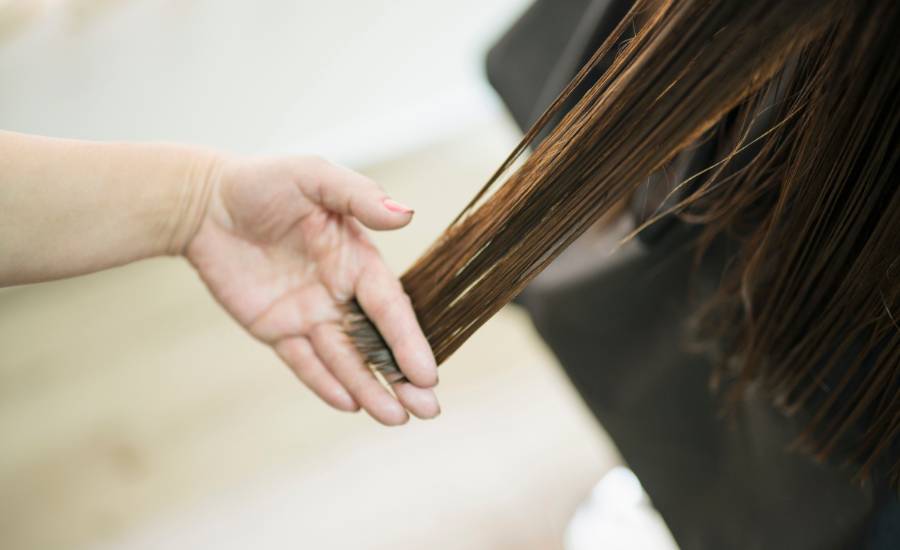
This is the paradox of long hair: to maintain length, you have to cut it. Split ends, once formed, don't repair themselves—they travel up the hair shaft, weakening more and more of the hair. Trimming damaged ends every 8 to 12 weeks (depending on hair growth rate and condition) prevents this and gives hair more volume and thickness at the ends. For more information on preventing split ends, our article "How to Get Rid of Split Ends" offers additional solutions.
Brush carefully
Daily brushing is essential for long hair: it detangles, distributes sebum from the roots to the lengths (long hair often lacks natural sebum at the ends), and stimulates blood circulation in the scalp. Technique is just as important as frequency: always start at the ends, gradually detangle towards the mid-lengths, and then work your way up to the roots. Brushing in the opposite direction (from roots to ends) creates knots and promotes breakage.
Choose a natural bristle (boar) brush or a detangling brush with soft pins—brushes with stiff plastic pins are too harsh on the lengths of your hair. Never brush wet hair: when wet, it's 30% more elastic and therefore much more prone to breakage. Use a wide-tooth comb in the shower if necessary.
Choosing the right hair products
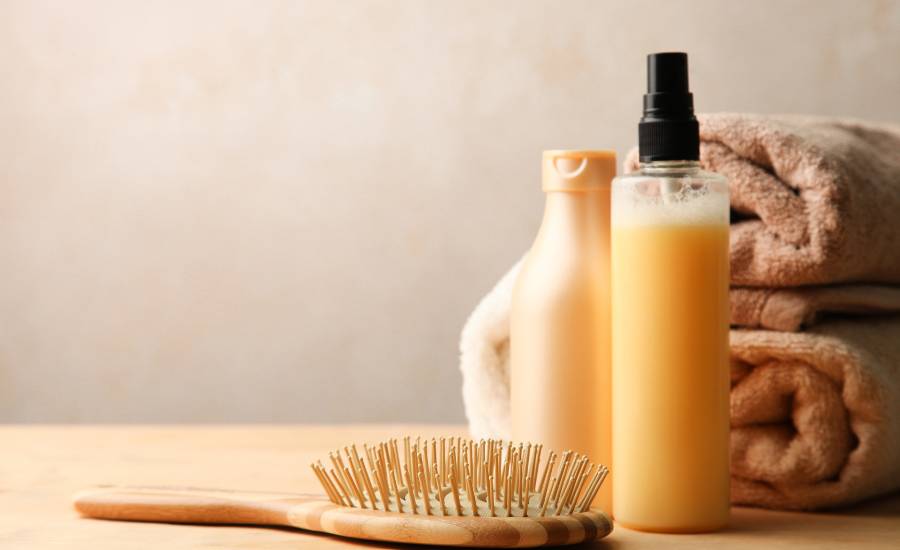
All hair products should be suited to your hair type. To identify yours, our article on how to determine your hair type will guide you. Whatever your hair type, avoid formulas containing harsh sulfates (SLS, SLES), occlusive silicones, quaternary ammonium compounds, and irritating preservatives that weaken the hair fiber in the long run.
For long hair, a pre-shampoo treatment (mask or oil bath left on for 30 minutes to several hours before washing) is more effective than conditioner: it deeply nourishes without weighing hair down. Plant oils—argan for shine, castor for growth and volume, avocado for very dry hair—are the most effective and economical treatments. To choose the right oil for your hair type, our article on the best plant oils for hair compares all the options.
Limit the use of heating appliances
The heat from straighteners, curling irons, and hair dryers degrades keratin and dehydrates the hair fiber. For long hair—whose ends can be 4 to 7 years old—the accumulation of heat damage is a major factor in weakening. To understand the mechanisms involved, our article on keratin and hair explains in detail why heat is so damaging.
If you can't do without heat styling tools, always apply a heat protectant spray beforehand, set the temperature to a maximum of 150-180°C (not 220°C as many do), and air dry as much as possible. For curls, sleep with light braids to create natural waves without heat.
Good everyday habits
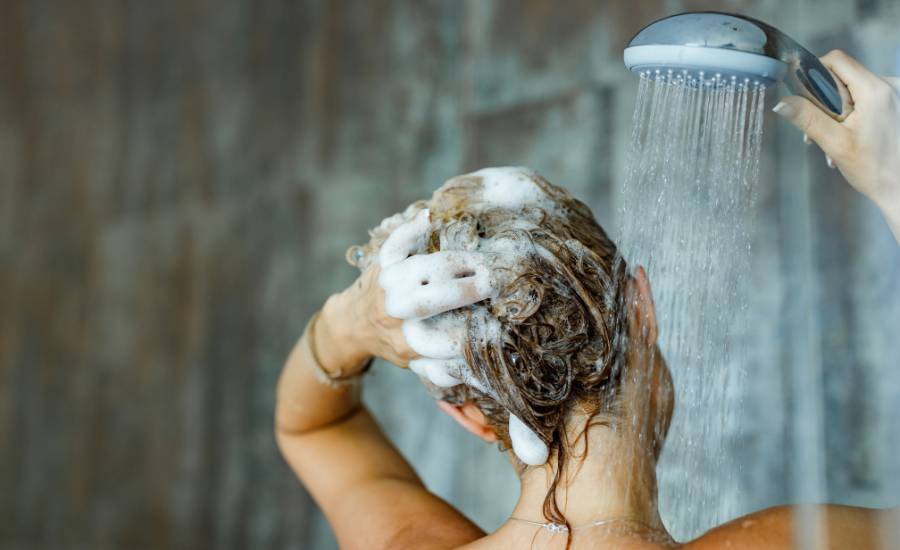
Long hair should not be washed more than two to three times a week: washing too frequently stimulates sebum production and dries out the lengths. Rinse with lukewarm or cold water—cold water closes the cuticle scales and adds shine and strength.
To dry your hair, forget the terry towel that creates friction and frizz. Opt for a cotton t-shirt or a microfiber towel, and pat gently without rubbing. A satin or silk pillowcase reduces nighttime friction—the main cause of knots and breakage while you sleep.
Hair ties are also important. Classic elastic bands can cut the hair with every use. Replace them with satin elastics, fabric scrunchies, or bobby pins. Avoid very tight buns or ponytails worn daily: traction alopecia (hair loss due to repeated mechanical tension) is a common cause of weakening of the temporal areas.
Food and supplements for long, thick hair
The health of long hair is also built from within. Deficiencies in iron, biotin, zinc, or protein first manifest as a lack of shine, increased breakage, and slowed growth. A diet rich in protein (eggs, legumes, fish), zinc (seafood, pumpkin seeds), biotin (brewer's yeast, egg yolks), and B vitamins is essential.
In cases of deficiency or increased need, hair supplements (biotin, zinc, selenium, B vitamins) can provide helpful support as a 3-month course. To choose the supplement best suited to your situation, our article on the best hair growth supplements compares the available formulas. In cases of significant hair loss, our article on how to prevent hair loss offers a comprehensive approach.
Frequently asked questions about long hair care
How to make your hair grow faster?
The natural growth rate of hair is approximately 1 to 1.5 cm per month and cannot be fundamentally altered. However, stimulating scalp microcirculation (through massages and plant-based oils), correcting nutritional deficiencies, and preventing breakage (which slows down apparent hair growth) can optimize growth. For five practical tips, our article " 5 Tips to Promote Hair Growth" details the most effective approaches.
How often should I do an oil treatment on long hair?
Once a week is the ideal frequency for most types of long hair. For very dry or damaged hair, twice a week is possible. For fine or oily hair, once every two weeks is enough to avoid weighing it down.
How to avoid knots in long hair?
Always detangle from the ends to the roots, use a leave-in conditioner or detangler, sleep with a loose braid or a soft bun, and opt for a satin pillowcase. For more detailed advice, our article on how to avoid tangles in your hair provides all the tips.