
Article: Saffron vs Rhodiola, Ashwagandha, Magnesium: Which Anti-Stress Remedy to Choose in 2025?

Saffron vs Rhodiola, Ashwagandha, Magnesium: Which Anti-Stress Remedy to Choose in 2025?
Faced with daily stress, natural solutions are experiencing unprecedented popularity. Saffron, rhodiola, ashwagandha, magnesium, L-theanine... These names may ring a bell, but do you really know which one is right for you? In this comprehensive article, we scientifically compare these five adaptogens and minerals to help you make the right choice based on your individual profile and goals.
What is an adaptogen and how does it work?
The term "adaptogen" refers to natural substances that help the body adapt to various stressors, whether physical, emotional, or environmental. To be classified as an adaptogen, a plant must meet three scientific criteria established by the Russian pharmacologist Nikolai Lazarev in 1947:
- Increase the body's overall resistance to stress of all kinds
- To exert a normalizing effect on disrupted physiological functions
- To be devoid of toxicity at usual therapeutic doses
Unlike traditional stimulants (caffeine, theine) which cause a surge of energy followed by a crash, adaptogens act gently on the hypothalamic-pituitary-adrenal (HPA) axis, the central nervous system, and neurotransmitters. This helps maintain optimal physiological balance, even during periods of stress.
Source: National Institutes of Health - Adaptogenic herbs: An introduction

Complete comparison chart: 5 stress-relief solutions put to the test
Here is a detailed comparative analysis of the five most popular natural solutions for stress management. This table summarizes data from recent clinical studies and allows you to quickly visualize the strengths and weaknesses of each option.
| Criteria | Saffron | Rhodiola | Ashwagandha | Magnesium | L-theanine |
|---|---|---|---|---|---|
| Action time | 30 min (immediate effect) + 2-4 weeks (lasting effect) | 1-2 weeks | 2-4 weeks | 3-6 weeks | 30-60 min |
| Main mechanism | Serotonin, dopamine, cortisol, HRV modulation | Regulation of cortisol, MAO-A, mitochondrial energy | Cortisol reduction, GABA, neuroprotection | Enzyme cofactor, NMDA regulation, ATP | GABA, glutamate, alpha brain waves |
| Type of stress | Acute AND chronic emotional stress | Chronic fatigue, physical stress | Chronic stress, generalized anxiety | Chronic stress, muscle tension | Acute stress, situational anxiety |
| Clinical studies | ✓ 50+ studies (including 7 on Safr'Inside™) | ✓ 15+ studies | ✓ 20+ studies | ✓ 30+ studies | ✓ 10+ studies |
| Effect on mood | ✓✓✓ Excellent | ✓✓ Good | ✓✓ Good | ✓ Moderate | ✓✓ Good |
| Sleep improvement | ✓✓ Total Quality | ✗ Not recommended in the evening | ✓✓ Falling Asleep | ✓ Muscle relaxation | ✓✓ Mental calm |
| Concentration/Focus | ✓✓ Via BDNF | ✓✓✓ Excellent | ✓ Moderate | ✓ Indirect | ✓✓✓ Excellent |
| Energizing effect | Neutral | ✓✓✓ Strong | ✓ Lightweight | Neutral | Neutral |
| Drug interactions | ⚠️ SSRIs (potentiation) | ⚠️ Anticoagulants | ⚠️ Thyroid, immunosuppressants | ✓ Few interactions | ✓ Few interactions |
| Side effects | Rare (mild digestive problems) | Agitation, insomnia if overdose | Drowsiness, digestive problems | Diarrhea may occur if the dosage is too high. | Very rare |
| Effective dosage/day | 30 mg standardized extract | 200-600 mg extract | 300-600 mg extract | 300-400 mg (bisglycinate) | 200-400 mg |
| Average monthly price | 25-35€ | 15-25€ | 20-30€ | 10-15€ | 15-25€ |
| Ideal profile | Emotional stress, mood, creatives, students | Chronic fatigue, athletes, active people | Chronic anxiety, nervousness, tension | Cramps, muscle tension, insomnia | Occasional stress, meetings, exams |
Sources: PubMed - Saffron for mental health , EFSA - Validated health claims

Saffron: the adaptogen with dual action (immediate + long-lasting)
Saffron (Crocus sativus) stands out for its unique characteristic: it acts both quickly (within 30 minutes) and deeply over the long term. This dual action makes it a particularly valuable ally for those seeking both immediate stress relief and a lasting improvement in mood.
Scientifically proven mechanisms of action
The bioactive compounds in saffron – safranal, crocin and picrocrocin – act on several fronts simultaneously:
- Serotonin modulation: Safranal inhibits serotonin reuptake, increasing its availability in the brain. This is the same mechanism as SSRIs (antidepressants), but in a natural way and with a superior tolerability profile.
- Cortisol reduction: A randomized clinical study showed that a single dose of saffron delays the rise in cortisol during an acute stress test, indicating better physiological resilience.
- Improvement in heart rate variability (HRV): Saffron maintains a favorable balance between the sympathetic (activation) and parasympathetic (relaxation) nervous systems, a sign of good adaptation to stress.
- Action on the gut microbiota: Recent research reveals that saffron supports beneficial bacteria such as Akkermansia muciniphila, thus acting on the gut-brain axis, essential for emotional balance.
Source: Frontiers in Nutrition - Saffron supplementation improves mood in healthy adults
Impressive clinical results
Saffron is among the most studied adaptogenic plants in the world , with over 50 published clinical studies on its effects on mood, stress, and anxiety. Among these studies, seven specific research projects focused on the patented Safr'Inside™ extract, including a major double-blind clinical trial involving 56 adults over eight weeks. This study demonstrated that 30 mg/day of saffron (a dose equivalent to that found in high-quality saffron gummies) significantly improved depression scores (POMS-2 scale) as early as the fourth week. Participants also reported improvements in their social relationships and perceived quality of life.
Did you know? Not all saffron extracts are created equal. Safr'Inside™ extract, obtained through a patented encapsulation process (Tech'Care extraction™), has a safranal concentration 7 to 10 times higher than standard extracts on the market (0.43% vs 0.03-0.16%), guaranteeing maximum effectiveness.
For whom is saffron ideal?
- People suffering from emotional stress (rumination, low mood, irritability)
- Students during exam periods (improved concentration via BDNF)
- Creative professionals (mood stabilization without drowsiness)
- Women in the premenstrual period (regulation of hormonal fluctuations)
- People seeking a natural alternative to SSRIs (under medical supervision)

Rhodiola rosea: the energizing anti-fatigue remedy
Nicknamed "golden root" or "tundra ginseng," rhodiola (Rhodiola rosea) is an adaptogenic plant native to the cold regions of Siberia, Scandinavia, and the mountains of Asia. It is particularly known for its energizing properties and its rapid action on mental and physical fatigue.
Mechanism of action: boosting energy without overstimulating
Rhodiola acts primarily through three mechanisms:
- Inhibition of monoamine oxidase A (MAO-A): It prevents the rapid degradation of serotonin, dopamine and noradrenaline, thereby increasing their availability.
- Cortisol regulation: It normalizes cortisol production, preventing excessive spikes during periods of intense stress.
- Improved mitochondrial energy: It stimulates the production of ATP (adenosine triphosphate), the energy molecule of cells.
Source: PMC - Rhodiola rosea: A phytomedicinal overview
Strengths and limitations
✓ Advantages:
- Fast action on physical and mental fatigue (1-2 weeks)
- Significant improvement in concentration and cognitive performance
- well tolerated by the majority of users
- Ideal for athletes and active people
✗ Disadvantages:
- May cause restlessness or insomnia if taken in the evening
- Less effective on mood and emotions than saffron
- Not recommended for people with bipolar disorder (risk of manic phase)
- Possible interactions with anticoagulants
Verdict: For whom?
Rhodiola is ideal if you primarily suffer from chronic fatigue , burnout, or if you are an athlete looking to optimize your performance. However, if your issue is more emotional (low mood, anxiety), saffron will be more suitable.

Ashwagandha: the calming agent for chronic anxiety
Ashwagandha (Withania somnifera), also known as "Indian ginseng", is a major plant in Ayurvedic medicine, used for over 3000 years. Its Sanskrit name means "smell of horse", referring to its reputed ability to confer the strength and vitality of a stallion.
Powerful soothing action
Ashwagandha acts primarily by:
- Significantly reducing cortisol: Studies show a 27-30% decrease in serum cortisol after 60 days of supplementation at 300 mg/day.
- Stimulating GABA receptors: GABA (gamma-aminobutyric acid) is the brain's main inhibitory neurotransmitter, responsible for the feeling of calm.
- Protecting the nervous system: Its withanolides (active compounds) exert a neuroprotective action against oxidative stress.
Source: PMC - Ashwagandha in anxiety and stress-related disorders
Comparison with saffron
| Criteria | Ashwagandha | Saffron |
|---|---|---|
| Action time | 2-4 weeks | 30 min (immediate) + 2-4 weeks |
| Main action | Soothing, sedative | Regulator, balancer |
| Mood | Good | Excellent |
| Drowsiness | Possible in some | Very rare |
| Thyroid | ⚠️ Stimulates (Contraindication: hyperthyroidism) | ✓ Neutral |
For whom is ashwagandha recommended?
Ashwagandha is particularly suitable for people suffering from generalized chronic anxiety , excessive nervousness , or stress-related sleep disorders . However, caution is advised if you have thyroid problems or are pregnant (it is strictly contraindicated).

Magnesium: the often overlooked anti-tension mineral
Magnesium is not strictly speaking an adaptogen, but an essential mineral involved in more than 300 enzymatic reactions in the body. Yet, 70% of the French population has insufficient intake, according to the SU.VI.MAX study.
Source: ANSES - Magnesium Nutritional Reference Intakes
The role of magnesium in stress management
Magnesium plays a role in:
- Regulation of the nervous system: It modulates NMDA (glutamate) receptors and promotes GABAergic transmission.
- Muscle relaxation: It is essential for relaxing muscles, hence its effectiveness against cramps and tension.
- Energy production: It activates ATP, without which no cellular reaction is possible.
- Serotonin synthesis: It is a cofactor of tryptophan hydroxylase, a key enzyme in serotonin production.
Limitations of magnesium alone for stress
Although magnesium is essential, its effect on stress remains indirect and gradual (3-6 weeks minimum). It acts more on the physical symptoms of stress (tension, cramps, palpitations) than on the emotional aspects (mood, anxiety). This is why it is often beneficial to combine it with an adaptogen such as saffron.
Which form of magnesium should you choose? Magnesium bisglycinate is the most bioavailable and best tolerated form. Avoid magnesium oxide, which is poorly absorbed (only 4%) and often causes digestive problems.

L-theanine: the zen of green tea for occasional stress
L-theanine is an amino acid naturally present in green tea (Camellia sinensis), responsible for the "calm alert" feeling that a cup of tea provides, without the stimulating effect of caffeine.
Unique mechanism: relaxation without drowsiness
L-theanine crosses the blood-brain barrier and acts by:
- Increasing alpha brain waves: These waves are associated with a state of wakeful relaxation, creativity, and relaxed concentration.
- Modulating GABA and glutamate: It promotes inhibition (GABA) while reducing excessive excitation (glutamate).
- Mildly stimulates dopamine and serotonin: Positive effect on mood without sedation.
Source: PMC - L-theanine: An amino acid with psychoactive properties
Comparison of saffron vs L-theanine
Common points:
- Fast acting (30-60 min)
- No drowsiness
- Improved concentration and creativity
- Excellent tolerance
Key differences:
- Duration of action: L-theanine = 4-6 hours (occasional use) | Saffron = lasting effect with regular use
- Effect on mood: L-theanine = mild | Saffron = marked
- Caffeine synergy: L-theanine = excellent (green tea) | Saffron = neutral
Ideal use of L-theanine
L-theanine is perfect for situational stress : before an important meeting, an exam, or a stressful appointment. It provides immediate calm without impairing alertness. However, for chronic stress or persistent mood disorders, saffron is more suitable due to its deeper, more sustained action.
Which adaptogen should you choose based on your profile?
Now that we have reviewed these five solutions for stress , here is a practical guide to help you choose the right one for your personal situation:
You are suffering from emotional stress with low morale
→ Choose SAFFRON
Why: Comprehensive action on serotonin, dopamine, and cortisol. Clinically proven results on mood in 2-4 weeks. Dual action: immediate and long-lasting.
You are exhausted, constantly tired
→ Choose the RHODIOLA
Why: Quickly increases physical and mental energy. Ideal for burnout and chronic fatigue. Take in the morning.
You are constantly anxious, nervous
→ Choose ASHWAGANDHA
Why: Powerful anxiolytic action via GABA. Reduces cortisol by 27-30%. Profound calming effect, but may cause drowsiness in some.
Do you have cramps, muscle tension, insomnia?
→ Choose MAGNESIUM (bisglycinate)
Why: It acts on the physical symptoms of stress. Muscle relaxation. Improves sleep through physical relaxation.
You experience occasional stress (exams, meetings)
→ Choose L-THEANINE
Why: Immediate effect (30-60 min). Calming without drowsiness. Perfect for acute situations. Excellent synergy with caffeine.
Are you looking for THE complete solution (mood + stress + concentration)?
→ Choose SAFFRON
Why: The only adaptogen with immediate (30 min) AND long-lasting (2-4 weeks) action. Improves mood, stress, sleep, and concentration. Excellent tolerability profile. No sedative or stimulating effects.

Can several adaptogens be combined?
Yes, but with discernment! Some associations are synergistic, others counterproductive.
Recommended associations
- Saffron + Magnesium: Magnesium enhances the effects of saffron on the nervous system. An ideal combination for stress and muscle tension.
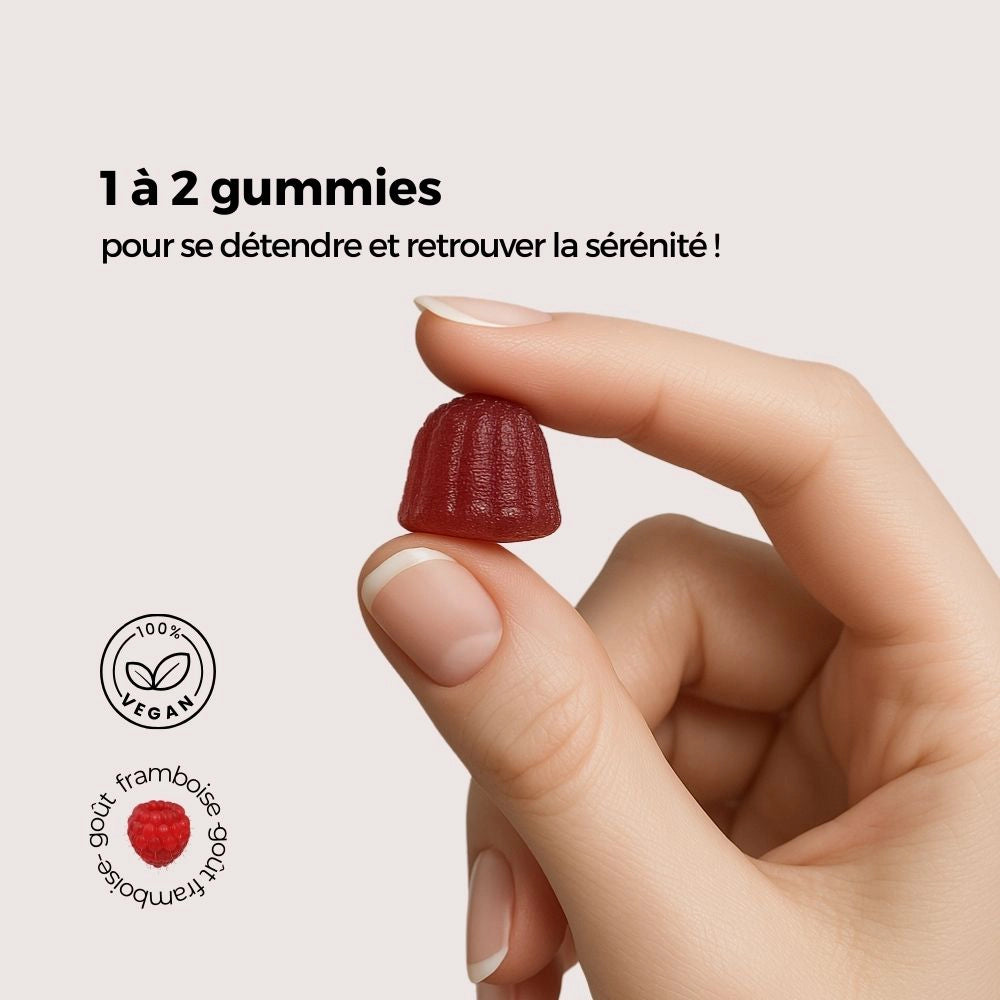
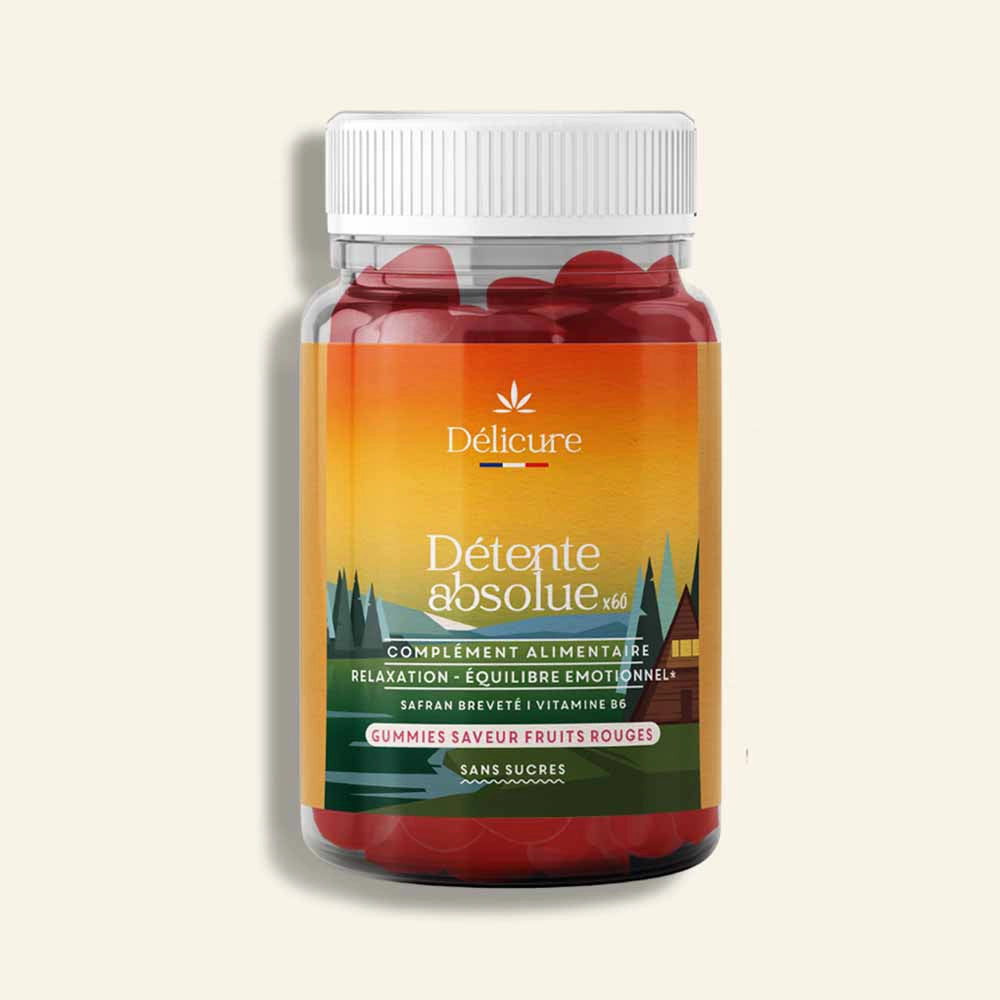
- Saffron + Vitamin B6: B6 is a cofactor in serotonin synthesis. Saffron gummies combining Safr'Inside™ and vitamin B6 harness this synergy for optimal effectiveness in supporting emotional balance.
- L-Theanine + Caffeine: The classic combination of green tea. L-Theanine mitigates the undesirable effects of caffeine (nervousness, tachycardia) while preserving alertness.
- Rhodiola + Magnesium: Good combo for chronic fatigue + muscle tension in athletes.
Associations to avoid
- Rhodiola + Ashwagandha: Opposite effects (energizing vs sedative). Risk of negating benefits.
- Ashwagandha + L-theanine (high dosage): Risk of excessive drowsiness.
- Saffron + SSRIs (antidepressants): Possible potentiation. Medical consultation required before combination.
Golden rule: Never combine more than 2-3 supplements simultaneously without medical advice. Always start with a single product for 4 weeks to assess its tolerance and effectiveness before considering combining them.
Saffron: the most versatile adaptogen according to science
After this thorough comparison, saffron stands out due to several unique advantages that make it a top choice for stress management and emotional balance:
- Dual timing of action: Unlike other adaptogens, saffron acts quickly (30 minutes) while offering lasting benefits after 2-4 weeks of regular intake.
- Broadest spectrum of action: It acts simultaneously on stress, mood, sleep, concentration and even the gut microbiota.
- Exceptional tolerability profile: No sedative effect, no excitation, very few side effects reported at recommended doses (30 mg/day).
- Robust clinical studies: Saffron benefits from more than 50 clinical studies on its anti-stress and mood-regulating effects, including 7 specific studies on the Safr'Inside™ extract, with measurable and reproducible results.
- Standardization and traceability: The best saffron-based products (such as gummies using Safr'Inside™) guarantee a constant concentration of active ingredients (safranal 0.43%, crocins 7.96% of total metabolites), which is not always the case with other plants.
Source of Safr'Inside™ studies: Activ'Inside - Scientific documentation
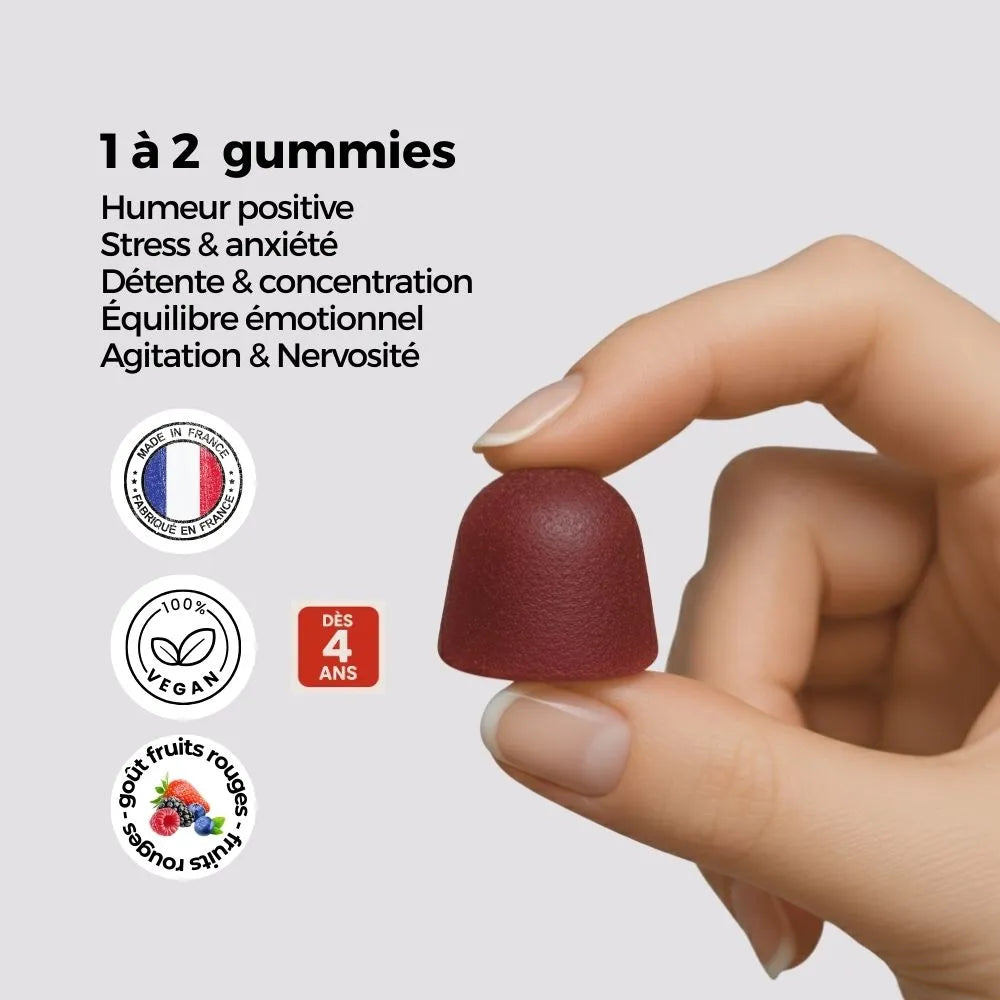
To go further: If you would like to try the patented Safr'Inside™ saffron, 7 times more concentrated than standard extracts, formulated with vitamin B6 for optimal synergy on emotional balance (sugar-free, vegan, made in France, clinically proven effectiveness), you can discover our patented saffron gummies here .
Conclusion: Make the informed choice that suits you
Choosing the "best" adaptogen depends primarily on your individual profile, your predominant symptoms, and your goals:
- If your priority is energy and fighting fatigue → Rhodiola
- If you suffer from intense chronic anxiety → Ashwagandha
- If you have muscle tension and cramps → Magnesium
- If you are managing occasional situational stress → L-theanine
- If you're looking for a complete solution (mood + stress + sleep + concentration) → Saffron
Saffron, thanks to its versatile action profile, rapid onset of action, and numerous clinical studies, is now one of the most promising options on the adaptogen market. Its natural combination with vitamin B6 makes it a particularly effective duo for restoring calm, serenity, and emotional balance on a daily basis.
Whatever your decision, always favour quality products, standardised in active ingredients, and do not hesitate to consult a healthcare professional if you are undergoing medical treatment or if your symptoms persist despite supplementation.
This article is for informational purposes only and is not a substitute for personalized medical advice. Dietary supplements should be used as part of a healthy lifestyle and are not a replacement for a varied and balanced diet.