
How to stop having oily hair?
Oily hair is one of the most common and frustrating hair concerns. Despite a suitable care routine, impeccable hygiene, and careful attention to your hair, it still retains that shiny, weighed-down look that leaves you feeling desperate. Barely washed in the morning, it already looks greasy by the end of the day. This daily battle against excess sebum can quickly become exhausting and undermine your self-confidence.
However, understanding the mechanisms that lead to this sebum overproduction and adopting the right strategies can truly break this vicious cycle. It's not simply a matter of washing more often—on the contrary, this approach usually worsens the problem. The solution lies in a thorough understanding of your scalp, adopting precise washing techniques, and using truly suitable products.
In this article, discover why your hair produces excess sebum, which products to favor, what daily habits to adopt, and how targeted supplementation can help you regain balanced and healthy hair. Because yes, having radiant hair even with an oily scalp is possible!
Why does hair become oily? Understanding the sebum mechanism
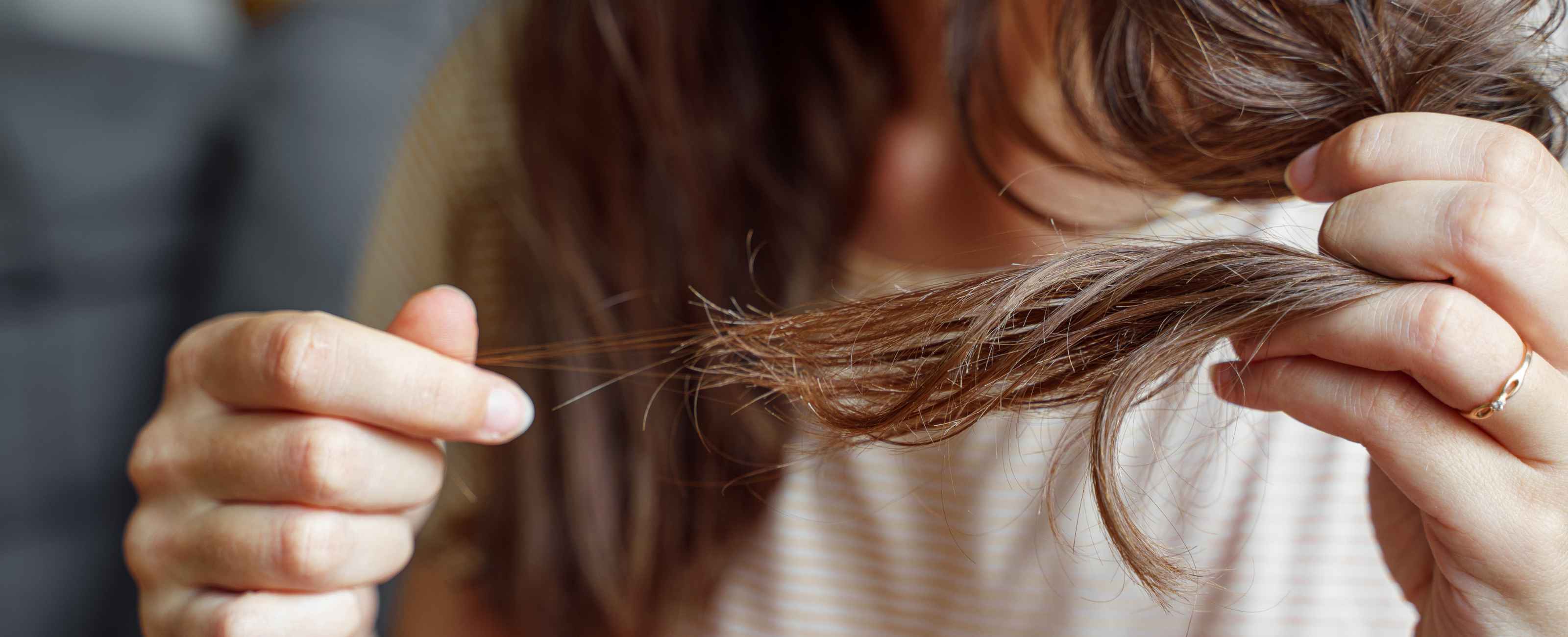
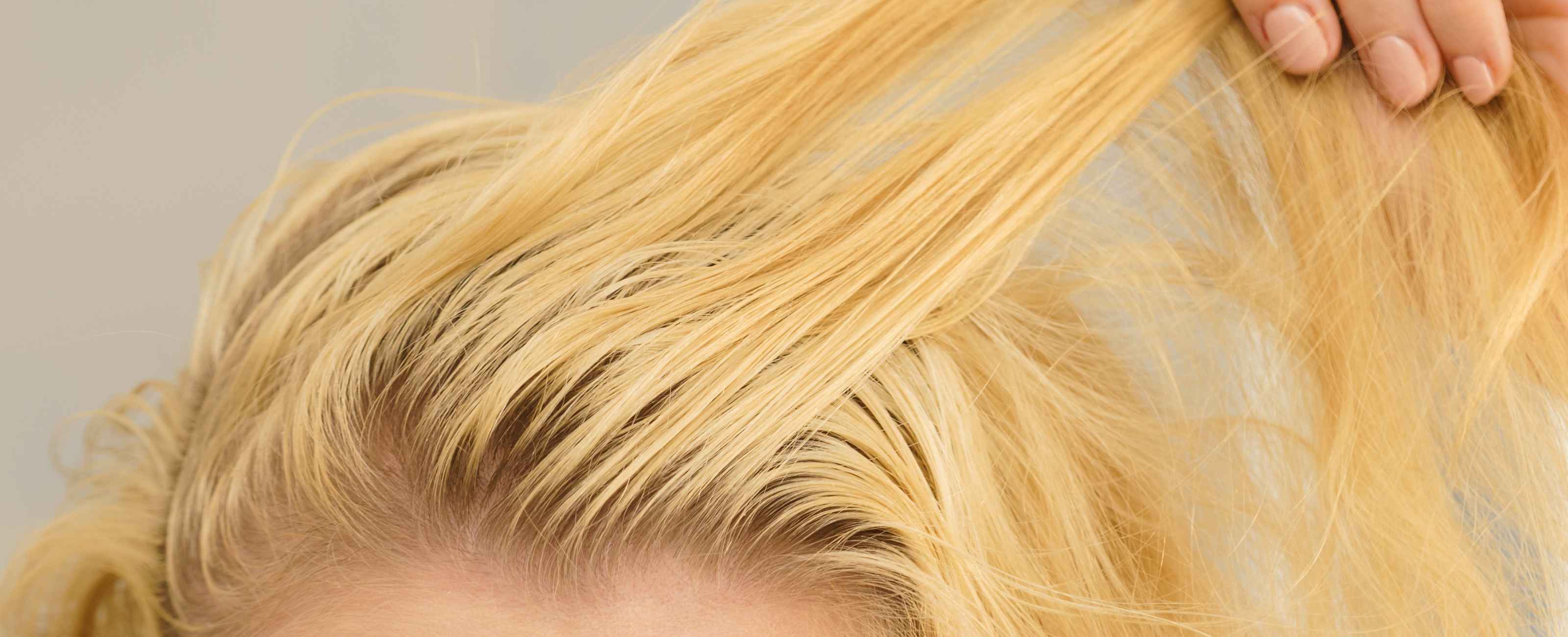
To effectively treat oily hair, it's essential to understand what's actually happening at the scalp level. Hair is considered "oily" when it has an overproduction of sebum, the lipid substance naturally secreted by the sebaceous glands located at the base of each hair follicle. This excess sebum spreads rapidly along the hair shaft, giving your hair that characteristic shiny, flat, almost "wet" appearance, even just several hours after shampooing.
This excess sebum production leads to a cascade of aesthetic problems. Hair becomes visually darker, loses its natural volume, and lies flat against the scalp. Its texture becomes heavy and sticky to the touch. The natural, healthy shine gives way to a greasy, dull appearance. Furthermore, this lipid-rich environment promotes the proliferation of Malassezia, an opportunistic fungus responsible for the appearance of greasy, yellow, and sticky dandruff that clumps on the scalp and hair shaft.
But where does this overactivity of the sebaceous glands come from? The causes of sebum overproduction are numerous and often interconnected. Genetics plays a major role: some people are born with naturally more active sebaceous glands. Hormonal fluctuations, particularly during adolescence, pregnancy, or thyroid imbalances, stimulate sebum production. Chronic stress, by increasing cortisol levels, also activates these glands. An unbalanced diet, too rich in saturated fats, refined sugars, or dairy products, can promote inflammation and seborrhea. Air pollution, by accumulating on the scalp, can trigger a compensatory reaction of sebum production.
Paradoxically, using unsuitable hair products is one of the main causes of this problem. Overly harsh shampoos containing aggressive sulfates clean so vigorously that they completely remove the scalp's natural protective lipid film. In reaction, the scalp, feeling "attacked" and dehydrated, overcompensates by producing even more sebum. This is precisely the vicious cycle that so many people experience: they wash their hair more and more frequently, with increasingly strong products, and their hair gets greasy faster and faster. The solution, therefore, lies not in more intensive cleansing, but in a more respectful approach to the scalp's natural balance.
It's important to clarify that having a moderate amount of sebum is perfectly normal and even desirable. Sebum plays a vital protective role: it forms a lipid film that waterproofs the hair shaft, protects it from environmental aggressors (UV rays, pollution, cold), prevents dehydration, and maintains hair's elasticity. The problem only arises when this production becomes excessive and uncontrollable. According to the French National Health Insurance (Assurance Maladie ), an imbalanced sebum production can be a sign of seborrheic dermatitis, a dermatological condition that sometimes requires specific medical treatment.
What hair products should I use to regulate oily hair?

The first crucial step to achieving balanced hair is meticulously selecting your hair products. This decision, far from being trivial, will largely determine the success or failure of your beauty routine.
Shampoo for oily hair: your main ally
Here's the paradox faced by everyone with oily hair: the faster your hair gets greasy, the stronger the urge to wash it frequently becomes. Yet, it's precisely this impulse that needs to be fought. Every wash, however gentle, mechanically stimulates the sebaceous glands and temporarily disrupts the scalp's pH balance. The more often you wash your hair, the more you signal to your scalp that it needs to produce sebum to protect itself. It's a vicious cycle that absolutely must be broken.
The goal is to gradually reduce the frequency of shampooing to retrain your scalp. Ideally, aim for a maximum of one to two shampoos per week. This transition won't happen overnight – it will take several weeks, during which your hair may appear even oilier. Patience and perseverance are your best allies: after this adjustment period, you'll find that your hair stays fresh much longer.
When washing your hair, always choose a gentle, natural shampoo specifically formulated for oily scalps. Look for purifying yet non-aggressive formulas that effectively cleanse without stripping. Avoid shampoos containing sulfates (sodium lauryl sulfate, sodium laureth sulfate), silicones, or parabens. While these ingredients create a rich lather and an instantly silky feel, they disrupt the sebum balance and create a dependency: your hair becomes unable to regulate itself naturally.
A professional tip is to enrich your shampoo with a few drops of purifying essential oils. Tea tree essential oil, known for its powerful antifungal and antibacterial properties, deeply cleanses the scalp and regulates sebum production. True lavender essential oil, with its soothing and rebalancing properties, calms irritations and normalizes the activity of the sebaceous glands. Rosemary cineole essential oil stimulates blood circulation in the scalp and has remarkable purifying properties. Add 2 to 3 drops of your chosen essential oil directly to your dose of shampoo before applying.
Dry shampoo is a valuable supplementary solution for extending the time between washes. Composed primarily of starch powders (corn, rice, tapioca), it absorbs excess sebum at the roots without the need for water. Ayurvedic powders such as shikakai, reetha, or amla, used in natural dry shampoos, also possess purifying and rebalancing properties. However, be careful not to overuse this convenient solution: when used daily, dry shampoo can clog scalp pores, create dandruff through buildup, and, paradoxically, stimulate compensatory sebum overproduction. Reserve it for emergencies, a maximum of two to three times between regular shampoos.
Conditioner and hair masks: targeted application is essential
Contrary to popular belief, oily hair doesn't have to forgo conditioner or hair masks. The lengths and ends, even on hair with oily roots, need nourishment and hydration. The key lies in precise application and choosing the right formulas.
Choose a gentle, natural conditioner or mask formulated for oily hair. These products typically contain lightweight ingredients that nourish without weighing hair down. Application requires surgical precision: NEVER apply these treatments to the scalp or roots. Start at mid-lengths and work your way down to the ends only. This rule is absolute. A conditioner or mask applied to the roots will immediately weigh down your hair and accentuate the oily appearance.
Leave on for a few minutes – the time indicated on the product is more than enough; there's no need to leave it on longer if your hair is oily. Then rinse thoroughly with lukewarm water, followed by a final rinse with cool water, which closes the hair cuticles and adds shine without leaving a greasy residue.
Vegetable oils: paradox and effectiveness for oily hair
Applying oil to already oily hair may seem counterintuitive, even absurd. Yet, some plant oils have a lipid composition so similar to human sebum that they naturally regulate its production by signaling to the scalp that it doesn't need to secrete more. This is the principle of homeostasis applied to hair care.
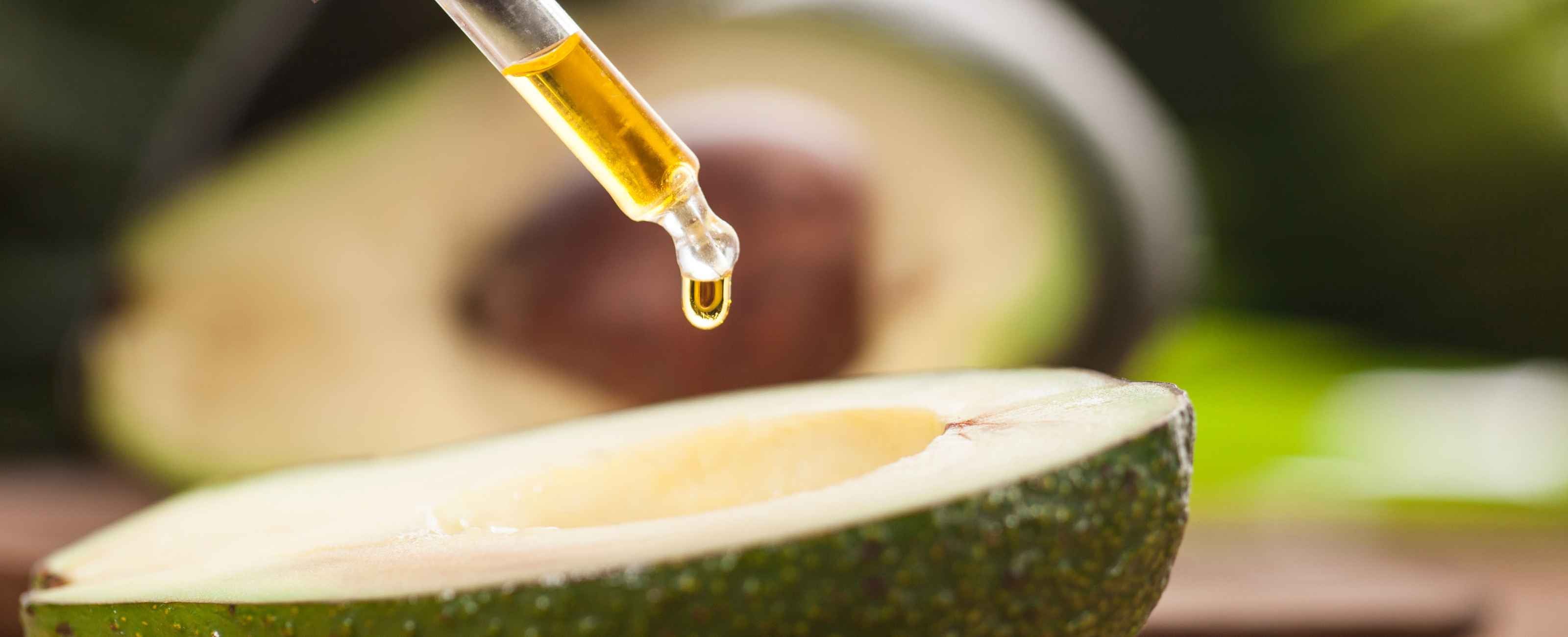
Jojoba oil reigns supreme for oily hair. Its unique characteristic? It's not technically an oil, but a liquid wax whose molecular structure perfectly mimics human sebum. Applied with a gentle massage to the scalp, it penetrates quickly, rebalances sebum production, and cleanses without being harsh. Massage delicately for about 5 minutes—no longer, to avoid overstimulating the sebaceous glands. Jojoba oil can be used as a weekly oil treatment: apply it in the evening to the scalp and lengths of your hair, leave it on overnight under a shower cap, then shampoo the next morning.
Hazelnut oil, rich in essential fatty acids and vitamin E, also regulates sebum production while lightly nourishing the hair. Its fluid texture absorbs quickly without leaving a greasy residue. Nigella (black cumin) oil, with its powerful purifying, antibacterial, and anti-inflammatory properties, deeply cleanses the scalp and prevents the appearance of oily dandruff.
After each oil treatment, rinsing is crucial. Carefully emulsify the oil with a little warm water before shampooing – this step greatly facilitates the removal of oily residue. Then, shampoo twice if necessary, paying particular attention to the roots. Insufficient rinsing will leave oily residue that will weigh down the hair and give the frustrating impression that the treatment has only worsened the problem.

How to prevent hair from getting greasy too quickly? Essential daily steps
Beyond the products you use, your daily habits significantly influence how quickly your hair gets greasy. Adopting a few simple but essential routines can keep your hair looking fresh for several days.
Essential steps to space out your shampoos:
- Avoid using heated styling tools on unwashed hair : Hair dryers, straighteners, and curling irons literally "cook" the sebum into the hair shaft, creating a sticky film that's impossible to remove without washing. Wait until your hair is freshly washed before using any styling tools. Opt for air drying or drying at the lowest temperature setting with a heat protectant spray.
- Avoid constantly touching your hair : Automatically running your hands through your hair is one of the main causes of accelerated oiliness. Each touch transfers sebum, bacteria, and impurities from your hands to your scalp. Become aware of this nervous habit and keep your hands away from your hair.
- Limit excessive brushing : Vigorous brushing mechanically stimulates the sebaceous glands and promotes the distribution of sebum from the roots to the lengths of the hair. Brushing morning and evening is more than enough. Use a soft brush with natural bristles. Forget the 100 strokes our grandmothers used!
- Change your pillowcase regularly : Night after night, your pillowcase accumulates sebum, sweat, dead skin cells, and product residue. Change it at least twice a week, ideally every two days for very oily hair. Opt for cotton or silk, which minimize friction.
- Rinse with cold water to tone and add shine to your hair : Cold water tightens the hair cuticles, locks in moisture, and creates a smooth surface that reflects light. The cold tones the scalp, stimulates microcirculation, and regulates sebum production. It's unpleasant for a few seconds, but the result is worth it!
How often should oily hair be washed?
The question always comes up: how often should you wash oily hair? The ideal answer is between once and twice a week at most. We know this seems impossible when your hair is greasy the day after you shampoo. That's precisely why you need to gradually "retrain" your scalp. Start by spacing out washes by just one day. When this becomes comfortable after a few weeks, increase to two days, then three. Use dry shampoo to bridge the gap between washes. After a few months of this routine, your scalp will have regained its natural balance and will produce much less sebum. Patience is your best ally during this transition.
Diet: a key internal factor for oily hair
While external care plays a crucial role, diet influences sebum production just as much – if not more. What you put on your plate is directly reflected on your scalp, usually 48 to 72 hours after ingestion.
Foods to moderate to reduce excess sebum
Certain foods directly stimulate the sebaceous glands and promote excessive sebum production. Foods high in saturated fats—processed meats, fried foods, fast food, and commercially baked goods—overload the body with lipids that it tries to eliminate through all available excretory organs, including the scalp. Refined sugars and foods with a high glycemic index—sodas, candy, white bread, and pastries—cause insulin spikes that stimulate the production of androgens, hormones that activate the sebaceous glands. Dairy products, particularly those from cows raised with growth hormones, can trigger an inflammatory and hormonal response that promotes seborrhea in some sensitive individuals. Very spicy foods can also, in some people, stimulate sweating and sebum secretion through a thermogenic effect.
Moderating does not mean eliminating everything – too restrictive an approach generates stress, which is itself an aggravating factor! Simply aim for reasonable consumption and, as much as possible, choose the most natural and least processed versions of these foods.
Essential nutrients to naturally regulate sebum
Conversely, certain nutrients have remarkable regulatory properties on sebum production. Prioritize these foods that help balance your scalp from within:
- Foods rich in vitamin B6 : Pyridoxine plays a fundamental role in hormonal regulation and sebum balance. Sources: bananas, salmon, poultry (chicken, turkey), potatoes with their skins, chickpeas, sunflower seeds.
- Foods rich in zinc : This anti-inflammatory trace element normalizes the activity of the sebaceous glands and reduces excessive sebum production. Sources: oysters, wheat germ, pumpkin seeds, lean beef, lentils.
- Foods rich in omega-3 : These fatty acids paradoxically help regulate sebum by reducing systemic inflammation and optimizing cell membrane function. Sources: small oily fish (sardines, mackerel, anchovies), walnuts, flax and chia seeds, rapeseed oil.
- Antioxidant-rich fruits and vegetables : Packed with vitamins and antioxidants, they support overall scalp health. Focus on: citrus fruits, berries, leafy green vegetables, peppers, and tomatoes.
Also ensure sufficient hydration: drinking 1.5 to 2 liters of pure water daily helps the body eliminate toxins and maintains internal hydration, reducing compensatory sebum production.

Delicure Hair & Nail Capsules: plant-based support for balanced hair
To complement a suitable external hair care routine and a balanced diet, targeted nutrient supplementation can provide valuable internal support. Delicure offers Hair & Nails capsules , a natural, plant-based food supplement made in France, rich in silica and plant-based active ingredients that strengthen the hair structure and promote scalp balance.
These capsules harness the power of three plants rich in silica: stinging nettle, horsetail, and bamboo. Silica, an essential trace mineral, plays a role in the synthesis of collagen and elastin, thus strengthening the hair's structure and improving its resilience. Strong, healthy hair naturally regulates its sebum production better than weakened, unbalanced hair.
Stinging nettle, at a dose of 450 mg per serving, has recognized remineralizing and purifying properties. Rich in silica, iron, zinc, and B vitamins, it helps regulate sebum production on the scalp while nourishing the hair fiber from within. Horsetail (450 mg, including 31 mg of silica) strengthens hair elasticity and improves scalp microcirculation. Bamboo (360 mg, including 180 mg of silica) is the most concentrated plant-based source of silica available, guaranteeing an optimal intake for long-lasting hair strengthening.
To fully benefit from these properties, take 3 capsules daily with a large glass of water, preferably with a meal. One bottle contains 60 capsules, enough for a 20-day course. For visible and lasting results on the balance and health of your hair, a course of treatment lasting at least 2 to 3 months is recommended. The first effects generally appear after 3 to 4 weeks: less brittle hair, improved texture, and a gradually restored sebum balance.
These natural beauty capsules fit perfectly into a holistic approach to hair wellness, combining appropriate external care, a healthy lifestyle and internal nutritional support.
How to style your hair intelligently when you have oily hair?

While waiting for your scalp to regain its natural balance, or simply for days when your hair is too oily to wear loose, some hairstyles allow you to cleverly camouflage the shiny appearance while remaining elegant.
5 clever hairstyles to hide oily hair:
- The strategic headband : Positioned a few centimeters from the hairline, it effectively conceals oily roots while adding a chic, retro touch. Choose one made of natural materials (cotton, linen, velvet) that slightly absorb sebum. Works particularly well with medium-length or long hair.
- Cornrows or flat braids : African braids, box braids, or classic French braids flatten the hair against the scalp, making oily hair less noticeable. This hairstyle can last several days, allowing you to go 1 to 2 days between shampoos. Avoid braiding too tightly to prevent stimulating the sebaceous glands.
- A headscarf : Both stylish and practical, a headscarf tied in a retro pin-up, bohemian chic, or modern turban style completely conceals oily roots. This solution works particularly well in summer or during sports activities. Opt for natural materials that allow the scalp to breathe.
- Side clips and barrettes : Positioned on the sides and holding back sections of hair, they draw attention away from oily roots at the crown. This semi-updo hairstyle adds volume and conceals problem areas. Vary the styles to match your outfits for a confident, fashionable look.
- The high bun or messy bun : Paradoxically, oily hair is perfectly suited to high buns because sebum provides the necessary texture and hold. A slightly messy bun with a few intentionally loose strands creates a bohemian chic effect where the oily look is considered stylish. Secure with bobby pins or a soft elastic band.
Can you dye oily hair?
Yes, absolutely, and in fact, professional colorists often recommend coming to the salon with slightly dirty hair—ideally washed 24 to 48 hours before coloring. Why? The natural lipid film of sebum protects the scalp from the irritating agents in hair dyes, especially those containing ammonia. So, oily hair is actually an advantage for coloring! Just avoid coloring excessively oily hair (not washed for 4-5 days or more), as excess sebum can create a barrier that prevents the color pigments from penetrating evenly. The ideal timing: hair washed 1 to 2 days prior.
When should you consult a professional for oily hair?
If, despite diligently following all these tips for several months, your hair remains stubbornly oily, it may be wise to consult a dermatologist. Excessive and persistent seborrhea can sometimes indicate an underlying hormonal imbalance (polycystic ovary syndrome, thyroid dysfunction, hyperandrogenism), seborrheic dermatitis requiring specific medical treatment, or a reaction to certain medications (corticosteroids, hormones). A professional can examine your scalp, prescribe blood tests if necessary to check your hormone levels, and guide you toward appropriate treatment.
Similarly, if your oily hair is accompanied by intense itching, red patches, excessive dandruff, thinning areas, or abnormal hair loss, you should consult a doctor promptly. These symptoms may indicate a dermatological condition requiring specific treatment.
Your anti-greasy hair action plan: a summary checklist
To restore a balanced scalp and fresher hair for longer, follow this comprehensive action plan:
- Maximum 1 to 2 times per week : Gentle sulfate-free shampoo, apply to roots only. Light conditioner on ends only.
- Once a week : Jojoba or hazelnut oil bath on the scalp (5 min massage, leave on for 30 min to 1 night).
- Daily : Do not touch your hair, brush gently 2 times/day maximum, clean pillowcase every 2-3 days.
- Diet : Favor vitamin B6, zinc, omega-3. Moderate saturated fats, refined sugars and dairy products.
- For a 2-3 month course : Hair & Nail Capsules (3 per day) to strengthen the fiber and regulate sebum from within.
Consistency and patience remain your best allies. Your scalp needs several weeks to rebalance, but the lasting results are worth it.
Patience, consistency and a holistic approach
Getting rid of oily hair doesn't happen overnight. It's a gradual process that requires patience, perseverance, and a truly holistic approach combining appropriate external treatments, mindful daily routines, a balanced diet, and possibly targeted supplements. Don't get discouraged if things seem difficult at first: your scalp needs several weeks, sometimes several months, to rebalance after years of frequent washing and unsuitable products.
Remember that every scalp is unique. What works for your best friend won't necessarily work for you. Carefully observe your hair's reactions, adjust your routine according to its evolving needs, and don't hesitate to try different approaches before finding the one that suits you perfectly.
Oily hair isn't inevitable. With the right products, the right techniques, and a little patience, you can achieve fresh, light, and balanced hair that you'll be proud of. And above all, be kind to yourself: your hair doesn't define your worth, and an oily scalp is just a temporary challenge to overcome, not a permanent flaw to endure!
--