

The Best Anti-Stress Sports: Which Sport to Choose to Relieve Stress?
Stress is an integral part of modern life. Whether you're facing professional constraints, personal challenges, health problems, or simply the pressures of daily life, stress can affect anyone, at any age. Given this reality, regular physical activity stands out as one of the most effective and natural ways to combat stress .
Beyond its well-known physical benefits, sport is a true ally for your overall well-being , both physically and mentally. It helps maintain a healthy lifestyle, stabilize weight, strengthen the immune system, and above all, restore mental balance.
But are all sports equally effective for managing stress? How long does it take to feel the effects? Which sport should you choose when you're starting out? In this comprehensive guide, discover the best physical activities to relieve stress and regain your daily serenity.
Why Does Stress Become a Problem?
Stress is fundamentally a natural phenomenon, an ancestral defense mechanism of our body in response to a situation perceived as threatening or demanding. It was this survival mechanism that allowed our ancestors to react quickly to danger. In small amounts and over short periods, it can even be beneficial, helping us remain alert and perform well enough to meet significant challenges.
The Dangers of Chronic Stress
The problem arises when stress never stops, when it becomes chronic and persistent. At that point, what was once a protective mechanism transforms into a slow poison that can have devastating consequences for your health and quality of life.
Imagine your body constantly functioning in alert mode, like a car with its engine running at full throttle 24 hours a day. The symptoms of chronic stress are numerous and interconnected:
- Intense fatigue and exhaustion : the body is constantly functioning in alert mode
- Anxiety and irritability : difficulty relaxing and enjoying the present moment
- Sleep disorders : difficulty falling asleep, waking up during the night, non-restorative sleep
- Physical pain : muscle tension, back pain, headaches
- Digestive problems : stomach aches, bloating, loss of appetite
- Risk of depression : In the long term, chronic stress can lead to depressive disorders.
Faced with these alarming symptoms, sport appears as a natural, effective, and side-effect-free solution. It allows you to release accumulated tension in your body, clear your foggy mind, and gradually regain serenity day by day.
How Does Sport Affect Stress? The Scientific Mechanisms
If sport proves so remarkably effective against stress, it's not by magic or a simple placebo effect. It's thanks to several precise physiological and psychological mechanisms, now well identified and validated by scientific research.
The Release of Endorphins: The Happiness Hormones
When you engage in physical activity, your body triggers a massive release of endorphins , those famous natural hormones affectionately known as the "happy hormones." These extraordinary molecules are directly associated with pleasure and relaxation. They provide that intense and profound feeling of well-being that can persist for several hours after your workout. This is sometimes called "runner's high," but it actually applies to all types of physical activity.
Cortisol Reduction
At the same time, exercise helps to effectively regulate cortisol levels in your blood, that infamous stress hormone which, in chronic excess, causes so much damage to your body. Regular exercise helps maintain these levels at a balanced and healthy level, thus considerably reducing the negative impact of stress on your body and mind. It's as if exercise presses the "reset" button on your hormonal system.
A Beneficial Mental Break
Physical activity also has this remarkable power to refocus your attention on your body and movement, temporarily but effectively pushing aside mental rumination and the negative thoughts that keep looping. It's like pressing the "pause" button on your overloaded mind. While you're swimming, running, or practicing yoga, your brain focuses on physical sensations, the rhythm of your breathing, and the coordination of your movements, leaving stressful worries behind.
A Smooth Return to Daily Tasks
Sport truly acts as an essential stress reliever: you consciously set aside your worries for the duration of your workout, immersing yourself completely in the physical activity, and then return to your daily tasks with a remarkably clearer mind, a renewed perspective, and a newfound sense of calm. Problems that seemed insurmountable before your workout suddenly appear more manageable, even insignificant.
The Restorative Effect of Nature
When you exercise outdoors – whether in a park, forest, mountains, or by the sea – it offers a particularly powerful synergistic effect. Physical activity combines with beneficial exposure to natural light, pure, oxygen-rich air, and soothing green spaces. This synergy promotes a profound sense of rejuvenation that isn't necessarily found in a gym, however well-equipped it may be.
Sleep Improvement
Finally, regular exercise significantly improves the quality of your sleep , creating a virtuous cycle. Better sleep allows your body to recover more effectively and manage daily stress more efficiently, which further improves your sleep, and so on. It's the opposite of the vicious cycle of stress and insomnia.

The Best Anti-Stress Sports: Our Selection
While all physical activities undeniably offer health benefits, some disciplines prove particularly effective and well-suited for managing stress. Here is our detailed selection of the best stress-relieving physical activities, along with their specific characteristics and advantages.
1. Swimming: The Ultimate Complete and Soothing Sport
Swimming , the ultimate all-around sport, provides a harmonious and gentle workout for your entire body. It's probably one of the activities most recommended by healthcare professionals for relieving stress, and for good reason.
Why is swimming so effective against stress?
Water itself possesses a naturally calming and almost therapeutic effect. As soon as you enter the water, your body experiences a unique sensation of weightlessness and lightness that instantly relaxes all your muscles. The tension accumulated in your shoulders, neck, and back seems to dissolve in the water.
Breathing rhythm also plays a crucial role in the stress-relieving benefits of swimming. Swimming naturally induces a regular, deep breathing rhythm that promotes relaxation and calms the nervous system. You must synchronize your breathing with your movements, creating a form of moving meditation. This focus on your breath automatically pushes away stressful thoughts.
The major advantage of swimming lies in the complete absence of impact on your joints. If you are prone to joint or muscle pain, or if you are returning to exercise after a long break, swimming is absolutely ideal. The water supports your body and absorbs all shocks, allowing for a complete muscular workout where all muscles work harmoniously without risk of injury. Your mind naturally clears as you focus on the fluid movement of your body in the water.
The best part? Just a few laps are often enough to rediscover an immediate feeling of relaxation and physical and mental lightness. You don't need to swim for hours like an Olympic athlete to experience the profound benefits of this activity. Thirty minutes in the water can transform your state of mind.
Anti-Stress Aquatic Variations
If traditional swimming doesn't particularly appeal to you, you can explore other aquatic activities that are just as beneficial for stress relief. Aquabiking , which involves pedaling in the water, offers an excellent cardio workout while promoting lymphatic drainage and relaxation. Aquagym provides gentle exercise in the water, perfect for seniors or those looking for a very low-impact activity. Aquacrunch offers a more dynamic aquatic muscle-strengthening workout for those who need to move more.
2. Jogging: Running to Clear Your Mind
Running allows for a truly profound mental disconnection that few other activities can match. The regular and repetitive rhythm of the stride, the rhythmic breathing that accompanies each step, the almost hypnotic repetition of the movement – all of this creates a truly meditative effect that soothes the mind.
The Benefits of Jogging on Stress
When you run, your mind gradually frees itself from the daily worries that overwhelmed it just minutes before. You naturally focus on your breathing, on the sensations in your body, on the rhythm of your steps. This focus on the present moment dispels rumination and anxious anticipation.
Jogging proves particularly effective at calming pent-up anger and frustration. After a difficult day at the office, an argument, or a frustrating situation, a run allows you to physically release these negative emotions that would otherwise remain trapped in your body and mind. You literally transform your negative energy into productive physical energy.
This activity also promotes a healthy and natural physical fatigue that significantly improves the quality of your sleep . Unlike the nervous fatigue of stress, which leaves you exhausted but unable to sleep, the physical fatigue of running prepares your body for deep and restorative sleep. The massive production of endorphins during and after running creates that intense and lasting feeling of well-being that every runner knows so well.
Accessibility is another major advantage of jogging: you don't need any expensive or complicated equipment, just a good pair of running shoes suited to your gait, and you're ready to go. No gym membership, no restrictive schedules, no traveling to specific facilities. You open your door and you run.
How Long Should I Run to Reduce Stress?
To fully benefit from the stress-relieving effects of jogging, aim for runs of at least 30 minutes , ideally 2 to 3 times a week. This duration isn't arbitrary: it's after 20-30 minutes of continuous effort that endorphins begin to be released in truly significant quantities in your body. That's when you enter that particular feeling of well-being.
If you're a beginner and 30 minutes of continuous running seems daunting, don't get discouraged. Start with brisk walking alternating with short bursts of light running, then gradually increase the duration of your running sessions over the weeks. The important thing is to start slowly to avoid injury and maintain your motivation.
3. Yoga: Uniting Body and Mind
Far more than just a sport, yoga represents an ancient mind-body practice that cultivates profound inner balance. Originating in India and practiced for over 5,000 years, this holistic discipline is probably one of the most comprehensive and effective approaches to managing stress in all its dimensions.
How Does Yoga Affect Stress?
Yoga harmoniously combines physical postures (asanas), deep stretches, core strengthening exercises, and relaxation and meditation techniques. This holistic approach produces measurable and scientifically proven effects on your physiology.
Practiced regularly, yoga leads to a noticeable decrease in your blood pressure, which reduces the strain on your cardiovascular system, constantly affected by stress. Your heart rate naturally slows, signaling to your body that it can switch out of "fight or flight" mode and enter a state of rest and recovery. The incessant mental activity, that constant inner chatter that characterizes stress, gradually subsides thanks to the concentration required by the postures and meditation.
Pranayama (yogic breathing) techniques are an extraordinarily powerful tool for instantly calming your nervous system. In just a few minutes of conscious, controlled breathing, you can literally transform your physiological and mental state. You also develop greater body awareness, learning to detect areas of tension in your body early and consciously release them before they become problematic.
Regular practice significantly improves your flexibility and mobility, reducing stiffness and physical pain directly related to chronic stress. Your shoulders relax, your back loosens up, and your neck regains flexibility.
What Type of Yoga Should I Choose for Stress Relief?
There are different styles of yoga, each with its own particularities:
- Hatha Yoga : ideal for beginners, gentle and accessible pace
- Yin Yoga : postures held for a long time, very meditative and profound
- Yoga Nidra : "yogic sleep", deep relaxation
- Vinyasa : more dynamic, for those who need to move
4. Tai Chi: The Martial Art of Serenity
An ancient discipline of Chinese origin, Tai Chi focuses on slow, continuous, precise, and harmonious movements, generally practiced barefoot for better grounding. It is an "internal" martial art that aims to cultivate and balance vital energy while supporting your physical, mental, and spiritual health.
The Benefits of Tai Chi on Stress
Each Tai Chi movement is performed with full awareness, complete attention, and clear intention. This absolute presence in the moment naturally dispels stressful thoughts that usually concern the past or the future. Your mind remains focused on the precision of the movement, the body's balance, and the transfer of weight from one leg to the other. This meditative concentration significantly improves your ability to focus in all areas of your life.
According to Traditional Chinese Medicine, Tai Chi regulates the flow of vital energy (Qi) in your body, dissolving blockages that create tension and imbalances. The gentle movements do not put any sudden impact on your joints, ensuring a safe practice even if you have joint problems or are elderly.
Tai Chi is accessible to all ages and fitness levels. It is particularly popular with seniors who find in this discipline an activity perfectly suited to their abilities while offering profound benefits. Often practiced in groups in public parks, it also provides a valuable social benefit that contributes to overall well-being.
5. Other Sports Effective Against Stress
Other physical activities also deserve mention for their effectiveness in stress management:
- Walking in nature : simple and accessible, particularly effective in the forest (forest therapy)
- Cycling : freedom of movement and exploration, excellent for clearing your mind
- Dance : bodily expression, emotional release, and pleasure
- Pilates : deep strengthening and body awareness
- Rock climbing : total concentration that banishes distracting thoughts
- Martial arts : channeling energy and mental discipline
How Much Sport Per Week to Manage Stress?
The question of frequency is absolutely essential to maximizing the stress-relieving benefits of exercise. Too little activity will not be effective enough to counteract chronic stress, but paradoxically, too much exercise can create additional stress and a risk of overtraining.
The Ideal Recommendation
For truly optimal stress-relieving benefits, the World Health Organization recommends a minimum of 150 minutes of moderate-intensity activity per week, which equates to approximately 30 minutes per day, 5 times a week. Alternatively, you can aim for 75 minutes of vigorous-intensity activity per week, or about 25 minutes three times a week, if you prefer shorter but more intense sessions.
Ideally, combine both types of activity – moderate and intense – for maximum effect on your stress management. For example, you could do three 30-minute jogging sessions and two 45-minute yoga sessions each week.
The Importance of Regularity
More than the intensity of your workouts, it's consistency that truly matters for achieving lasting effects on your stress levels. Twenty minutes of brisk walking daily is infinitely better than a single intense two-hour session once a week. Consistency helps maintain a stable balance in your nervous system, rather than creating peaks and troughs that can themselves be a source of stress. Your body and mind need this regularity to fully integrate the benefits of exercise.
Sport and Stress: Other Tips to Maximize the Benefits
Sport is undeniably a key pillar of stress management, but it benefits considerably from being combined with other healthy habits that create a holistic approach to well-being.
1. Get Enough Sleep
It is strongly recommended to get enough sleep each night, and especially in good conditions: silence, total darkness, a cool temperature, and good bedding suited to your body type. Actively combating sleep disorders is absolutely crucial. Indeed, truly restorative sleep allows you to better manage your emotions and daily stress, creating a virtuous cycle between physical activity, quality sleep, and stress reduction.
2. Practice Breathing Exercises
Regularly practicing calm, deep breathing exercises is extraordinarily beneficial for properly oxygenating your body, promoting better awareness of your body's signals, and clearly sending your nervous system the calming message that the situation is under control. Heart coherence, for example, is a simple, quick, and highly effective technique that you can practice anywhere, anytime, without any equipment.
3. Adopt a Balanced Diet
A varied, colorful, and balanced diet provides your body with all the essential nutrients needed to effectively manage stress. Your brain and nervous system, in particular, need certain vitamins, minerals, and fatty acids to function optimally. Conversely, absolutely avoid the consumption of harmful substances such as tobacco, excessive alcohol, and drugs, which significantly worsen stress in the long term, even if they seem to offer temporary relief.
4. Favor plants with relaxing properties
It is infinitely better to favor medicinal plants with natural relaxing and stress-relieving properties rather than turning to stimulating or harmful substances. Nature offers a rich and effective pharmacopoeia to support your nervous system without undesirable side effects.
Natural Anti-Stress Solutions: Delicure Supplements
As a smart complement to regular physical activity, natural solutions can help you better manage your daily stress, creating a particularly effective overall approach.
Saffron Anti-Stress Gummies
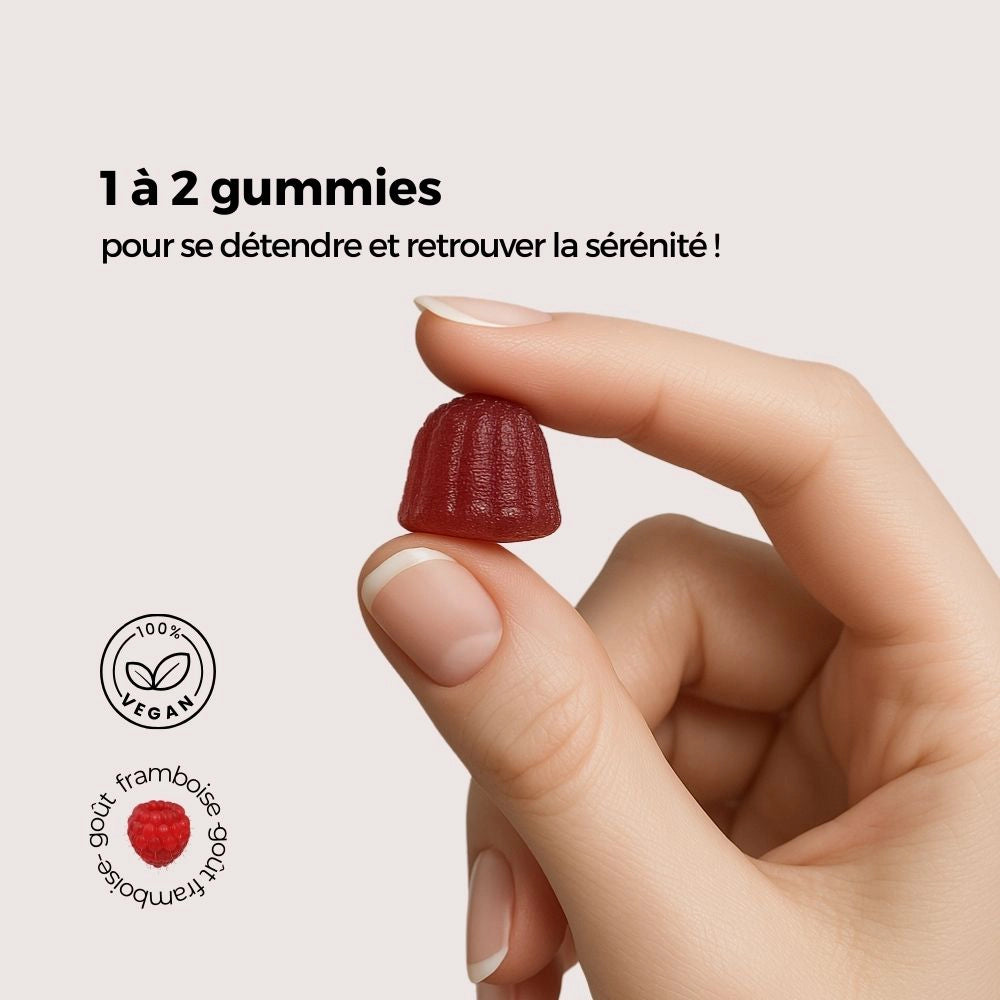
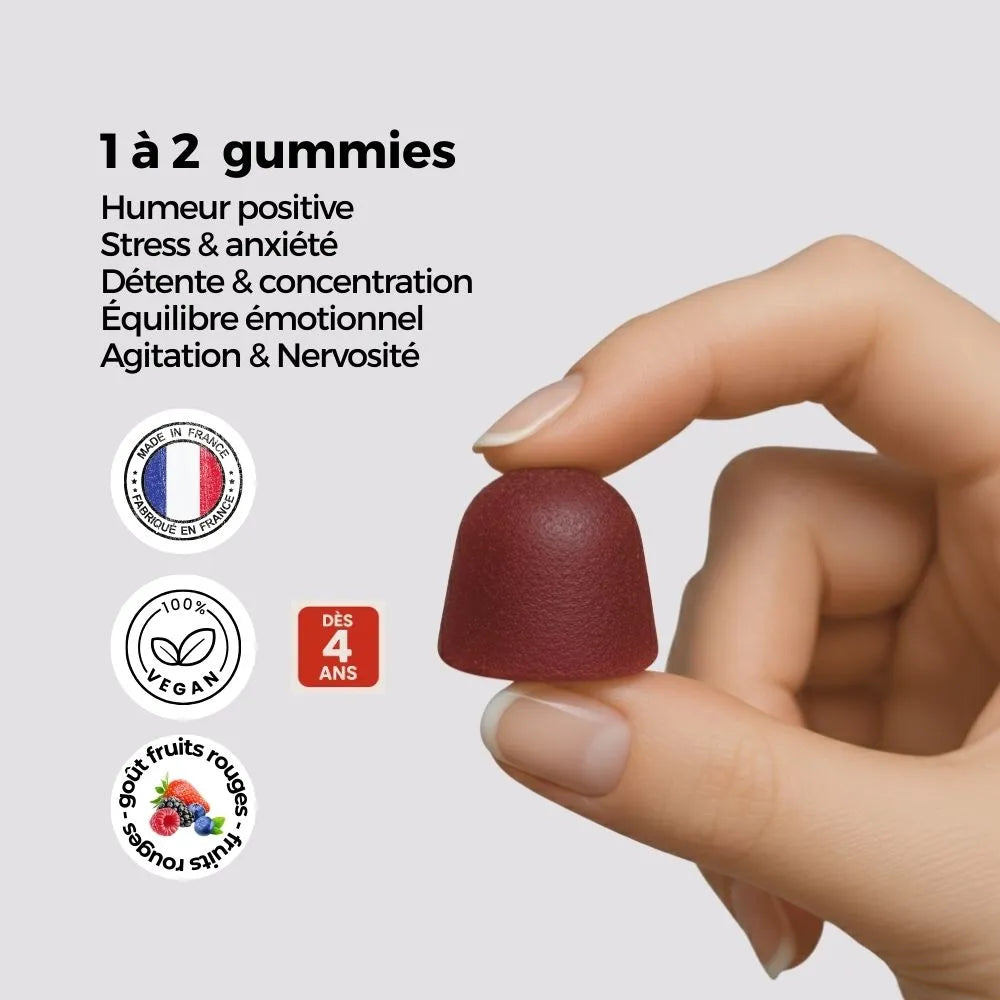
To effectively prevent stress, Délicure offers vegan "anti-stress" gummies formulated with a patented saffron extract, the most concentrated in active ingredients on the market , and enriched with vitamin B6 to support the nervous system.
In a particularly stressful situation, it is advisable to take two gummies to promote relaxation , support your nervous system and regain calm and serenity naturally.
CBD Products for Relaxation
Délicure also offers several CBD products , a natural active ingredient derived from hemp that can significantly help manage stress and anxiety. Their CBD gummies have received positive customer reviews regarding their relaxing and calming effects.

Is it safe to exercise when stressed? Precautions
Is Sport Always Recommended in Cases of Stress?
In the vast majority of cases, sport remains not only beneficial but even highly recommended during periods of intense stress. However, a few important precautions deserve to be highlighted:
- Avoid overexertion : too much exercise can create additional stress. Listen to your body.
- Choose a suitable activity : if you are exhausted, opt for gentle activities (yoga, walking) rather than intense ones.
- Consult a healthcare professional if you are experiencing severe chronic stress : if you suffer from major anxiety or depression, speak to a healthcare professional before starting any intensive activity.
What time of day is best for stress-relieving exercise?
The ideal time depends on your preferences and schedule, but here are a few suggestions:
- In the morning : boosts energy for the day and prevents stress buildup
- Lunch break : breaks up the day and allows you to leave feeling more relaxed.
- Late afternoon : releases accumulated stress (but not too late so as not to disrupt sleep)
Conclusion: Sport, Your Best Ally Against Stress
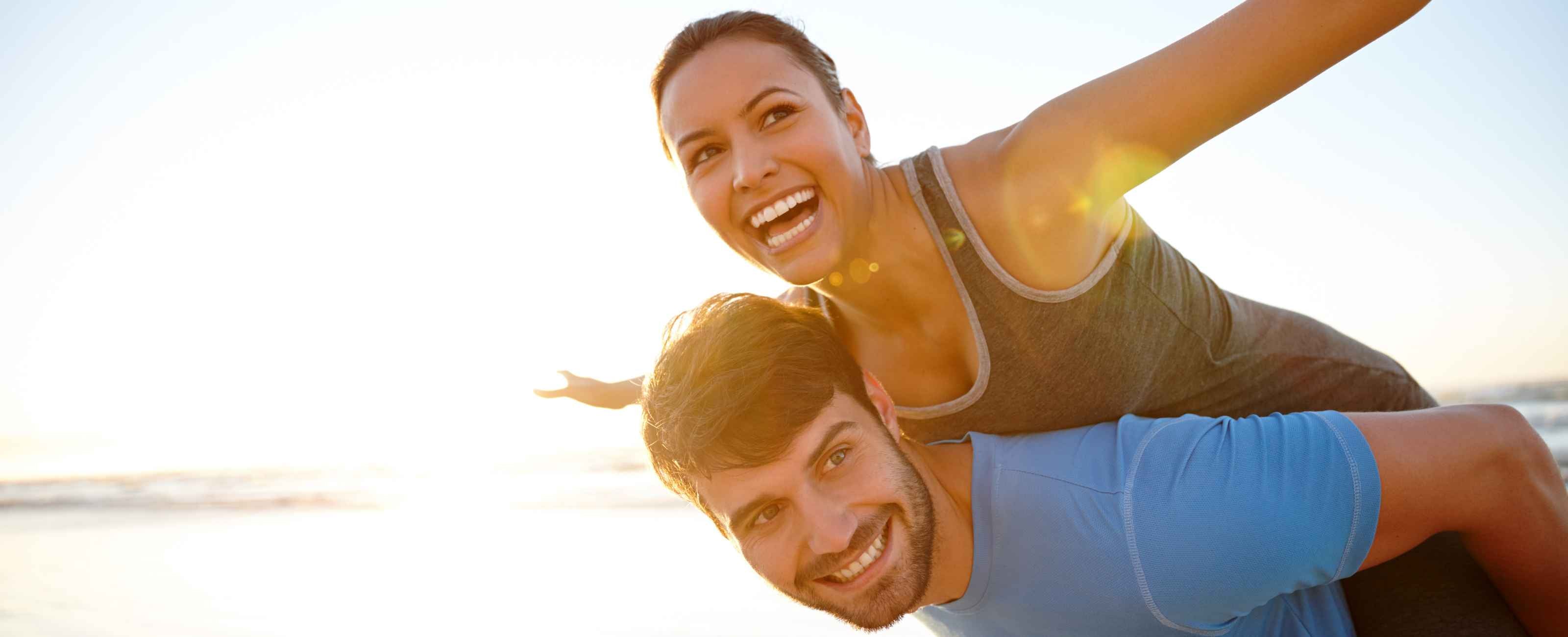
Stress is undeniably a part of modern life, but it should never dominate or poison it. Regular physical activity is one of the most effective, natural, and sustainable ways to manage it healthily and stay fit all year round.
Whether you choose swimming for its soothing and enveloping effect, jogging to completely clear your mind, yoga to deeply harmonize body and mind, or Tai Chi for its meditative gentleness, the key is to find the activity that truly resonates with you and to practice it regularly and with pleasure.
Remember that sport is not a punishment or a constraint, it's a gift you give yourself. Whether you choose swimming for its calming and enveloping effect, jogging to completely clear your mind, yoga to deeply harmonize body and mind, or Tai Chi for its meditative gentleness, the essential thing is to find the activity that truly resonates with you.
The keys to success:
- ✅ Choose a sport that you really enjoy (otherwise you won't last)
- ✅ Practice at least 2-3 times a week
- ✅ Prioritize consistency over intensity
- ✅ Combine with a healthy lifestyle (sleep, diet, relaxation)
- ✅ Don't hesitate to vary your activities to maintain motivation
And remember this liberating truth: it's never, ever too late to start. Simply moving regularly, even moderately, will have a measurable positive impact on your stress management and overall well-being. Your body and mind will thank you for this kind attention.
So, what sport are you going to try this week to relieve your stress and regain your serenity?